
Mashed Potatoes Recipe
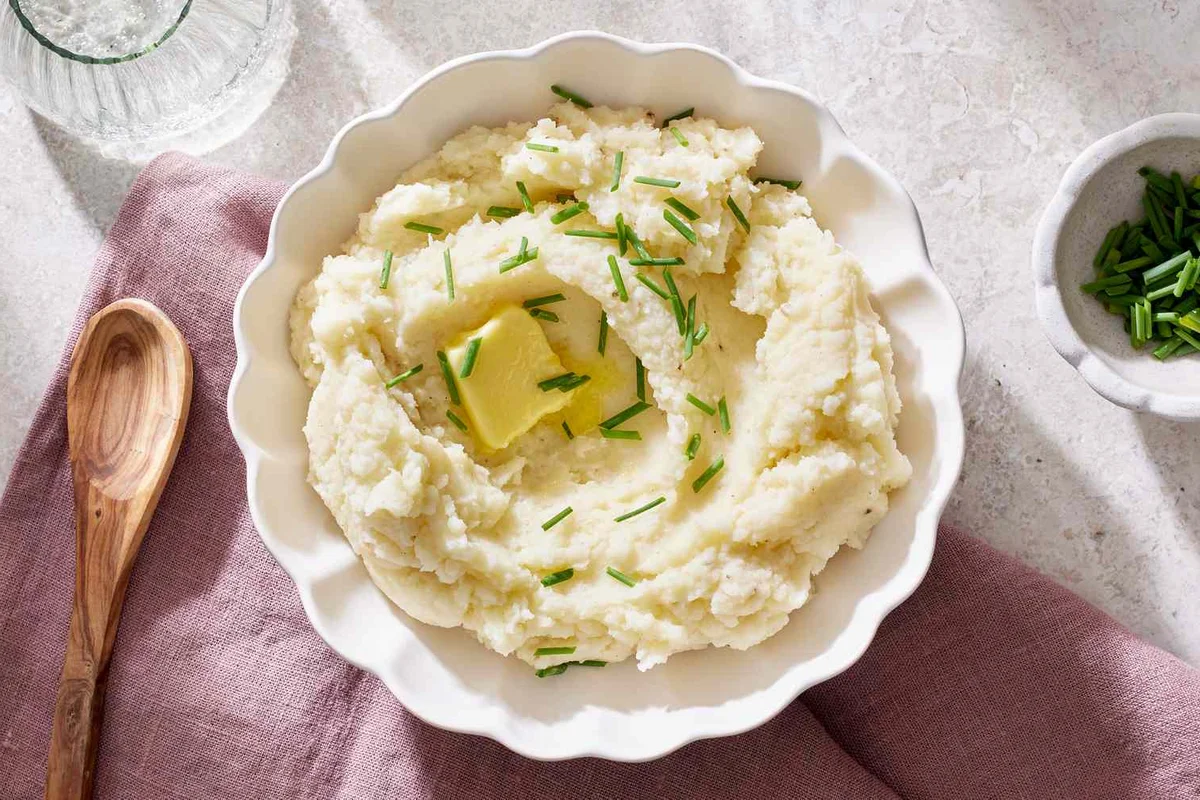
A classic American side of tender potatoes mashed with warm milk and melted butter until smooth and creamy. It is a straightforward choice for a comforting accompaniment to a roast or a weeknight meal.
Ingredients
- 907 g (2 pounds)Russet potatoes, peeled and cut into chunks
- 120 ml (1/2 cup)Milk, warmed
- 57 g (1/4 cup)Butter, melted
- To tasteSalt
- To tasteBlack pepper, freshly ground
Instructions
- 1
Boil the potatoes
Put the potato chunks in a large pot and cover them with cold water. Bring to the boil, then cook for about 15–20 minutes, until tender.
- 2
Drain and mash
Drain the potatoes and return them to the pot. Mash with a potato masher.
- 3
Add milk and butter
Gradually add the warm milk and melted butter, mashing until the potatoes are smooth and creamy. Season with salt and freshly ground black pepper to taste.
What are mashed potatoes?
Mashed potatoes are a familiar American side dish made by cooking potatoes until tender, then mashing them with dairy and seasoning. This version keeps the ingredient list simple, using milk for creaminess and butter for richness.
Russet potatoes are a classic choice for a fluffy mash. Cutting them into chunks helps them cook evenly before mashing.
Nutrition and macros by portion
The nutrition label shows one serving as written: 200 calories, 4g protein, 30g carbs, 8g fat.
| Portion | Adjustment | kcal | Protein | Carbs | Fat |
|---|---|---|---|---|---|
| Lighter | Use less butter | 140 kcal | 3g | 21g | 6g |
| This serving | As written | 200 kcal | 4g | 30g | 8g |
| Hungry | Serve a larger portion | 300 kcal | 6g | 45g | 12g |
The potatoes provide most of the carbohydrates, while the butter contributes much of the fat; the milk adds a little protein as well as fat and carbohydrate. Pair a serving with vegetables and a protein-rich main to make it part of a more balanced plate.
Choosing the potatoes
Russets: their starchy texture makes them easy to mash and helps produce a soft, fluffy result. Peel and cut them into similarly sized chunks so they become tender at about the same time.
Why start in cold water?
Cold water: covering the potatoes before heating gives the chunks time to warm as the water comes to the boil. Cook them for 15–20 minutes, checking that they are tender before draining.
Getting a creamy texture
Warm milk: adding it gradually makes it easier to control the consistency as you mash. The milk is warmed first so it can be incorporated without cooling the potatoes.
Melted butter: stir it in along with the milk for a smooth, rich mash. Stop mashing once the potatoes are creamy rather than continuing to work them.
Seasoning the mash
Salt and pepper: add both to taste after mixing in the milk and butter. Freshly ground black pepper gives the finished potatoes a noticeable peppery flavour.
Serving ideas
Classic pairing: serve the mash alongside roast meat, vegetables or a savoury gravy. Its mild, creamy flavour also works well with a simply cooked main course.
For a balanced plate, add a generous portion of vegetables and a protein-rich accompaniment.
Recipe notes & tips
- Cut the peeled potatoes into chunks of similar size for more even cooking.
- Begin with cold water and make sure the chunks are covered.
- Warm the milk before adding it to the potatoes.
- Pour in the milk gradually so you can stop when the texture is creamy.
- Season after mashing, then taste and adjust the salt and pepper.
Variations
- Add garlic: mash in a little cooked garlic for a savoury twist.
- Use cream: replace some of the milk with cream for a richer texture.
- Add herbs: stir in chopped chives or parsley just before serving.
- Try sour cream: swap some of the milk for sour cream for a tangier mash.
- Make it cheesy: fold in grated cheese while the potatoes are still hot.
Common mistakes to avoid
- Uneven chunks: pieces cook at different rates, so cut the potatoes to a similar size.
- Under-cooked potatoes: they are harder to mash smoothly, so cook until tender.
- Skipping the drain: excess cooking water can make the mash watery, so drain thoroughly.
- Adding cold milk: it can cool the potatoes, so warm the milk before mixing it in.
- Adding all the milk at once: the mash may become too loose, so add it gradually.
How to store
Refrigerate leftovers in a covered container for up to 3–4 days. Reheat gently in a saucepan or microwave, stirring in a little milk if needed to loosen the texture.
Frequently asked questions
How do I know when the potatoes are tender?
After about 15–20 minutes of boiling, check a chunk with a fork. It should be easy to pierce before you drain the pot.
Can I make these mashed potatoes ahead?
Yes. Refrigerate them in a covered container and reheat gently before serving, adding a little milk if they have thickened.
Why should the milk be warm?
Warm milk blends into the potatoes without cooling them as much. Add it gradually to control how creamy the mash becomes.
Can I leave the potato skins on?
This recipe calls for peeled potatoes. Leaving the skins on will give the mash a more rustic texture.
Can I use a different type of potato?
Yes, though the texture may vary. Russets are used here for their starchy, easy-to-mash quality.
Cook it from the original
This recipe comes from dirtydishesmessykisses.com. Their page has the author’s own photos, notes and tips — the best place to cook it from.
Open the recipe on dirtydishesmessykisses.com