
Pork pie
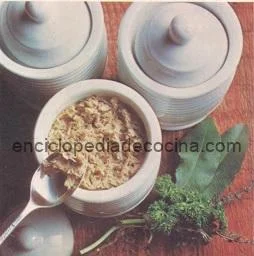
This British-style pork pie has a sturdy pastry shell filled with seasoned pork, apple and herbs, then finished with a savoury jelly. It takes time to assemble and chill, but makes a substantial centrepiece for a cold meal or picnic.
Ingredients
- 1 teaspoonOil
- 350 gPastry for a pie
- ¾ kg (750 g)Pork steaks
- 1Onion
- 1Apple
- ¼ teaspoonSage
- ½ teaspoonMarjoram
- ½ teaspoonSalt
- ½ teaspoonBlack pepper
- 1Egg
- 15 gGelatine
- 300 ml (1¼ cups)Chicken stock
Instructions
- 1
Heat the oven
Preheat the oven to a moderate 180°C.
- 2
Prepare the jar
Grease the base and outside sides of a 1 kg jam jar with the oil, then set it aside.
- 3
Shape the pastry
Set aside a quarter of the pastry on a plate and keep it warm. Shape the remaining pastry into a circle. Turn the jar upside down on a flat surface and place the pastry circle over its base. Press it down the sides until it covers two-thirds of the jar and is 1½ cm thick all over. Leave it for 10 minutes, until cool and firm.
- 4
Remove the jar
Cut a double strip of greaseproof paper long enough to wrap around the jar with a little overlap. Place it over the pastry and secure it with clips. Turn the jar upright and stand it on its base on a baking tray. Carefully lift the jar out of the pastry casing, then remove the paper and clips.
- 5
Mix the filling
In a medium bowl, combine the pork, onion, apple, sage, marjoram, salt and pepper. Spoon the mixture into the pastry case, taking care not to distort its shape, and level it with the top of the filling.
- 6
Add the pastry lid
Roll out the reserved pastry into a circle just larger than the pie base. Place it over the filling. Dampen the edges with water and press them together to seal.
- 7
Decorate the pie
Use pastry trimmings to make leaves for the top. With a sharp knife, cut a slit in the centre of the lid. Beat the egg and brush some over the lid and pastry leaves.
- 8
Bake the pie
Arrange the leaves in a rosette on the baking tray beside the pie. Bake on the centre shelf for 1½ hours.
- 9
Remove the rosette
After 30 minutes, take the pastry rosette out of the oven.
- 10
Discard the paper
Remove the tray from the oven, then take off and discard the paper and clips.
- 11
Finish baking
Brush the sides of the pie with the remaining egg. Return it to the oven and bake for a further 45 minutes, until the meat is tender when pierced. Remove it from the oven and leave it to cool completely, then transfer the cold pie to a serving plate.
- 12
Add the gelatine
Over moderate heat, dissolve the gelatine in 4 tablespoons of stock, stirring continuously. When clear, take it off the heat and pour it into a jug. Add the remaining stock, then pour the mixture through the slit in the pie and cover the opening with the pastry rosette.
- 13
Chill before serving
Refrigerate the pie for 3 hours, or until the stock mixture has set. Take it out of the fridge 2 hours before serving.
What is pork pie?
Pork pie is a traditional British meat pie, often served cold and associated with regional variations in seasoning. This version combines pork with apple, sage and marjoram, then fills the finished pastry case with stock set using gelatine.
The pastry is shaped around a jar to create a tall casing, rather than being baked in a conventional pie dish. That method gives the filling room while helping the sides hold their shape.
Nutrition and macros by portion
The nutrition label shows one serving as written: 750 calories, 44g protein, 48g carbs, 38g fat.
| Portion | Adjustment | kcal | Protein | Carbs | Fat |
|---|---|---|---|---|---|
| Lighter | Smaller slice, extra salad | 525 kcal | 31g | 34g | 27g |
| This serving | As written | 750 kcal | 44g | 48g | 38g |
| Hungry | Larger slice | 1125 kcal | 66g | 72g | 57g |
The pastry contributes much of the carbohydrate and fat, while the pork is the main source of protein and also adds fat. For a more balanced plate, serve a slice with salad or vegetables and a modest amount of pickle or chutney.
Building the pastry case
The jar: grease its outside first, then press the pastry evenly around it. The stated 1½ cm thickness helps the casing stand up around the filling.
The support: the greaseproof-paper strip and clips help steady the pastry while the jar is removed. Work carefully so the uncooked casing keeps its shape.
A savoury, gently sweet filling
The pork: cut or prepare the steaks so they can be combined with the other filling ingredients. Keep the mixture level with the top of the pastry case, without pushing against its sides.
The seasoning: sage and marjoram give the filling its herbal character, while apple adds a mild sweetness. Salt and black pepper round out the mixture.
Sealing and decorating
The lid: dampen the pastry edges with water before pressing them closed. A sealed rim helps keep the filling in place as the pie bakes.
The vent: make the slit in the centre of the lid as directed, leaving it available for the stock mixture later. The pastry rosette is baked separately and placed over the opening after filling.
Baking and doneness
The main bake: cook the pie at 180°C on the centre shelf for 1½ hours, removing the rosette after 30 minutes. Remove the paper and clips after this first bake.
The finish: brush the sides with the remaining beaten egg and bake for another 45 minutes. The recipe's doneness cue is tender meat when the pie is pierced.
Setting the stock jelly
The gelatine: stir it into 4 tablespoons of stock over moderate heat until the mixture is clear, then add the remaining stock. Pour it through the slit only after the pie has cooled completely.
The chill: allow 3 hours in the fridge, or until the stock mixture is firm. The recipe then calls for the pie to stand out of the fridge for 2 hours before serving.
Serving the pie
Serve it cold, cut into slices once the jelly has set. It works well with pickles, chutney or a crisp salad to bring freshness alongside the rich pastry and pork.
Plan ahead: the cooling and chilling stages are part of the method, so this is better made well before the meal rather than at the last minute.
Recipe notes & tips
- Measure the pastry thickness as you shape the casing so the sides are even.
- Handle the pastry case gently when lifting out the jar to avoid bending or tearing it.
- Keep the pastry trimmings for the decorative leaves.
- Use the centre slit to add the stock mixture once the pie has cooled.
- Allow the full chilling time so the stock jelly can set before slicing.
Variations
- More apple: add extra apple for a sweeter note, while keeping the pastry case well filled.
- Different herbs: swap the sage or marjoram for another herb that suits pork.
- Peppery filling: increase the black pepper slightly for a stronger seasoning.
- Picnic slices: chill the pie fully and cut it into smaller portions for serving cold.
- Simple garnish: leave off the pastry rosette if you prefer a plain top.
Common mistakes to avoid
- Uneven casing: press the pastry to an even 1½ cm thickness so it bakes more consistently.
- Rough jar removal: lift the jar out carefully to avoid damaging the pastry shell.
- Loose lid: dampen the edges with water and press them together firmly to seal.
- Skipping the cooling: let the pie cool completely before pouring in the stock mixture.
- Slicing too soon: wait until the stock mixture has set after chilling for 3 hours or longer if needed.
How to store
Keep the pie covered in the fridge and use within 3 days. Serve cold, or warm individual slices gently; heating may soften the set stock jelly.
Frequently asked questions
Can I make the pork pie ahead?
Yes. The recipe already requires cooling and at least 3 hours of chilling, so it can be prepared ahead and kept covered in the fridge.
Why is the pastry shaped around a jar?
The jar is used as a mould to form the tall pastry casing. Grease it first and remove it gently so the shell keeps its shape.
When should I add the stock mixture?
Add it through the slit only after the baked pie has cooled completely. Then chill the pie until the mixture is firm.
How do I know when the pie is baked?
After the initial 1½ hours and the additional 45 minutes, the recipe says the meat should be tender when pierced.
Can I serve it warm?
This method finishes with a chilled stock jelly, so it is intended to be served cold. Warming it can soften or melt the jelly.
Cook it from the original
This recipe comes from enciclopediadecocina.com. Their page has the author’s own photos, notes and tips — the best place to cook it from.
Open the recipe on enciclopediadecocina.com