
Old-Fashioned Hershey Cocoa Fudge
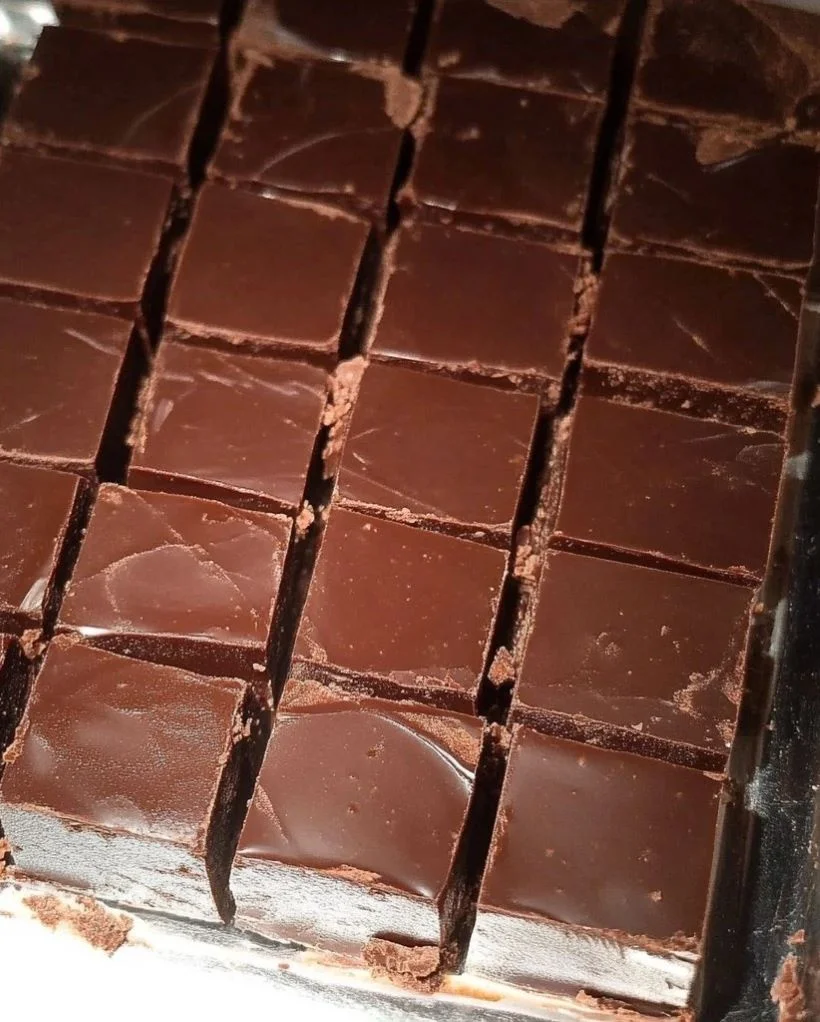
This old-fashioned chocolate fudge is cooked on the hob, then beaten until thick and set in a pan. It takes patience at the thermometer and while it cools, but the result is a rich, sliceable sweet made with cocoa, sugar, milk and butter.
Ingredients
- 57 g (2/3 cup)Hershey’s cocoa powder
- 600 g (3 cups)granulated sugar
- 0.6 g (1/8 teaspoon)salt
- 360 ml (1 1/2 cups)whole milk
- 57 g (1/4 cup)unsalted butter
- 5 ml (1 teaspoon)vanilla extract
Instructions
- 1
Prepare the pan
Butter an 20 × 20 cm (8 × 8-inch) pan or line it with baking parchment so the fudge can be lifted out easily once firm.
- 2
Mix the ingredients
In a heavy-based saucepan, whisk together the cocoa powder, sugar and salt to break up any lumps. Gradually stir in the milk until the mixture is smooth.
- 3
Cook the mixture
Set the pan over medium heat and stir constantly until the sugar has dissolved. Bring the mixture to the boil, then lower the heat slightly and attach a sugar thermometer. Cook without stirring until it reaches 112°C (234°F), the soft-ball stage.
- 4
Add butter and vanilla
Remove the pan from the heat and add the butter and vanilla extract without stirring. Leave the mixture to cool to about 43°C (110°F).
- 5
Beat the fudge
Use a wooden spoon to beat the mixture vigorously until it thickens and loses its glossy appearance.
- 6
Pour and set
Quickly transfer the fudge to the prepared pan and spread it evenly with a spatula. Leave it at room temperature until firm, about 2 hours.
What is old-fashioned cocoa fudge?
Fudge is a sweet made by cooking sugar with milk and flavourings, then beating the mixture as it cools so it sets with a dense, creamy texture. This old-fashioned version uses cocoa powder rather than melted chocolate.
Its method relies on controlling the sugar as it cooks and cools. Reaching the soft-ball stage, then waiting before beating, helps the mixture set rather than staying syrupy or turning grainy.
Nutrition and macros by portion
The nutrition label shows one serving as written: 130 calories, 0g protein, 0g carbs, 0g fat.
| Portion | Adjustment | kcal | Protein | Carbs | Fat |
|---|---|---|---|---|---|
| Lighter | Cut smaller pieces | 91 kcal | 0g | 0g | 0g |
| This serving | As written | 130 kcal | 0g | 0g | 0g |
| Hungry | Serve a larger piece | 195 kcal | 0g | 0g | 0g |
The sugar supplies most of the carbohydrates, while butter and whole milk contribute fat; the milk also provides a little protein. Serve a modest piece with fresh fruit to add a contrasting, less-rich element to the plate.
Why use cocoa powder?
Cocoa powder gives the fudge its chocolate flavour while keeping the ingredient list simple. Whisking it with the sugar and salt before adding milk helps break up dry lumps.
Whole milk contributes moisture and richness, while the butter is added after cooking. Vanilla goes in at the same point to round out the flavour.
Watch the sugar temperature
Thermometer cue: cook the mixture to 112°C (234°F), the stated soft-ball stage. A sugar thermometer makes this more reliable than judging the syrup by appearance alone.
Hands off: once the mixture boils, avoid stirring as it cooks to temperature. Agitation at this stage can encourage sugar crystals and make the finished fudge grainy.
Cool before beating
Cooling point: after adding the butter and vanilla, let the mixture reach about 43°C (110°F) before beating. This pause is part of the method, not wasted time.
Texture cue: beat until the mixture thickens and its shine fades, then move quickly to the pan. If it sits too long at this stage, it may become harder to spread.
Set and slice
Prepare the pan before you start cooking so it is ready when the fudge thickens. Use a spatula to spread the mixture evenly, working promptly after beating.
The method gives about 2 hours for setting at room temperature, even though the listed total time is 85 minutes. Use firmness as the cue to slice rather than relying only on the clock.
How to serve it
Cut the fudge into small pieces, as it is rich and sweet. It works well alongside tea or coffee, or as part of a mixed dessert plate.
For a more balanced snack, serve a piece with fresh fruit. The fruit adds a contrasting freshness without changing the fudge itself.
Recipe notes & tips
- Butter or line the pan before heating the mixture so it is ready when the fudge is beaten.
- Use a heavy-based saucepan to help the mixture heat evenly.
- Whisk the cocoa, sugar and salt together before adding the milk to disperse any cocoa lumps.
- Keep a close eye on the thermometer as the mixture approaches 112°C (234°F).
- Have a spatula ready so you can spread the fudge as soon as it is poured into the pan.
Variations
- Add chopped nuts: fold them in once the fudge has thickened, then transfer it to the pan.
- Use a different extract: replace the vanilla with another flavour extract in the same quantity.
- Add a salt finish: scatter a small pinch of salt over the top before the fudge sets.
- Make smaller pieces: cut the set fudge into bite-sized squares for serving.
Common mistakes to avoid
- Stirring while it boils: this can encourage sugar crystals; leave the mixture undisturbed once it reaches a boil.
- Stopping below temperature: the fudge may not set as intended; cook until the thermometer reads 112°C (234°F).
- Beating while too hot: the mixture has not reached the stated cooling point; wait until it is about 43°C (110°F).
- Waiting too long to spread: thickened fudge can become difficult to level; pour it into the pan promptly after beating.
- Using an unprepared pan: the fudge can be hard to release; butter or line the pan before cooking.
How to store
Keep the set fudge in an airtight container at room temperature for up to 1 week. Separate layers with baking parchment to help prevent the pieces sticking together; it does not need reheating.
Frequently asked questions
Do I need a sugar thermometer?
A sugar thermometer is the clearest way to check that the mixture reaches 112°C (234°F). The recipe does not give an alternative temperature test.
Why should I stop stirring after the mixture boils?
The method avoids stirring during this stage because agitation can encourage sugar to crystallise. That can leave the fudge grainy.
When should I add the butter and vanilla?
Add both after removing the mixture from the heat at 112°C (234°F). Leave them in the mixture without stirring while it cools to about 43°C (110°F).
How do I know when to stop beating?
Stop when the fudge thickens and loses its glossy sheen. Then pour it into the prepared pan straight away.
How long does the fudge take to set?
The method says to leave it at room temperature for about 2 hours, until firm. The listed total time is 85 minutes, so allow extra time if it has not set by then.
Can I use baking parchment instead of buttering the pan?
Yes. The method allows either a buttered 20 × 20 cm pan or one lined with baking parchment.
Cook it from the original
This recipe comes from fiqeu.com. Their page has the author’s own photos, notes and tips — the best place to cook it from.
Open the recipe on fiqeu.com