
Catalan peas
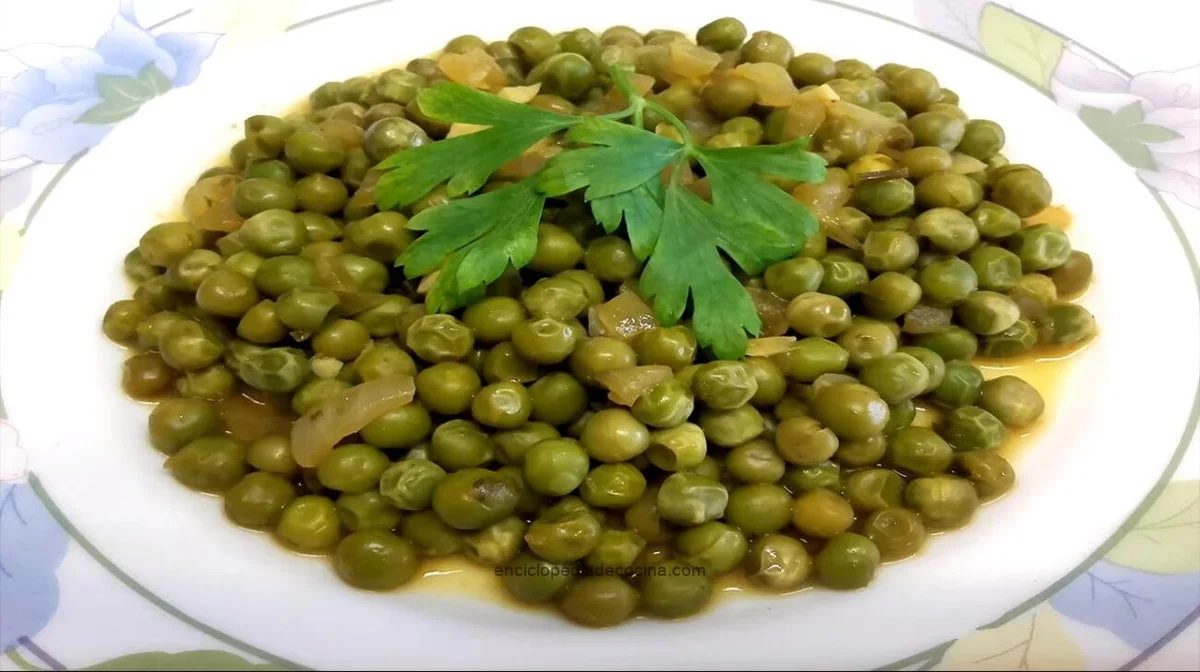
Catalan peas are simmered with leeks, tomato and slices of rich, paprika-seasoned sobrasada. This one-pot dish makes a hearty meal, with a little vegetable stock left in the pan for serving.
Ingredients
- 1 kgfresh peas
- 300 gsobrasada sausage
- 2leeks, cut into thin slices
- 30 ml (2 tablespoons)oil
- 1bay leaf
- 1 teaspoonsalt
- 1 teaspoonblack pepper
- 1 tablespoontomato purée
- 480 ml (2 cups)vegetable stock
- 480 ml (2 cups)water, as needed
Instructions
- 1
Combine ingredients
Put the peas in a casserole dish and arrange the thickly sliced sobrasada over them. Add the leeks, drizzle over the oil, then season with the bay leaf, salt, pepper and tomato purée. Stir with a wooden spoon and pour in the vegetable stock.
- 2
Simmer the peas
Cover the dish and cook over moderate heat for 20 minutes. Uncover and add water as needed to keep a little liquid in the bottom of the pan. Once the vegetables are tender, take the dish off the heat and serve.
What are Catalan peas?
This is a Catalan-style pea stew from Spain, combining fresh peas with leeks and sobrasada, a soft cured sausage associated with the Balearic Islands and Catalan cooking. The sausage brings a distinctive savoury, paprika-rich flavour to the vegetables.
This version cooks the ingredients together in one casserole, allowing the sobrasada to season the stock as it simmers. The result should be tender peas with a little broth left in the pan.
Nutrition and macros by portion
The nutrition label shows one serving as written: 620 calories, 27g protein, 45g carbs, 35g fat.
| Portion | Adjustment | kcal | Protein | Carbs | Fat |
|---|---|---|---|---|---|
| Lighter | Use less sobrasada | 434 kcal | 19g | 31g | 25g |
| This serving | As written | 620 kcal | 27g | 45g | 35g |
| Hungry | Serve with baked eggs | 930 kcal | 41g | 68g | 53g |
The peas supply most of the carbohydrates and fibre, while sobrasada and oil account for much of the fat; the peas and sausage contribute protein. For a more balanced plate, serve a moderate portion with extra vegetables or a simple salad.
The key ingredients
Fresh peas: They provide the dish’s sweetness and body. If using frozen peas instead, check them early as they may become tender sooner.
Sobrasada: Cut it into thick slices so it stays in substantial pieces as it cooks. Its fat and seasoning flavour the cooking liquid, so taste before adding extra salt.
Build the flavour in the pot
Leeks: Thin slices soften alongside the peas and take on the savoury flavour of the sausage. Stir gently so they are distributed through the casserole.
Tomato and stock: A spoonful of tomato purée gives the broth a rounded savoury note, while vegetable stock supplies the simmering liquid. Use water gradually later rather than adding it all at once.
Keep some broth
The method calls for a little liquid to remain at the bottom of the casserole when the vegetables are done. Check the pan after uncovering it and add water as needed to prevent it becoming dry.
Avoid pouring in extra water automatically: the peas and leeks also release moisture, and too much liquid can dilute the flavour.
Check for doneness
The recipe gives a covered simmer of 20 minutes, but the clearest cue is tender vegetables. Test a pea and a piece of leek before taking the casserole off the heat.
If they still feel firm, continue cooking until tender, checking the liquid level as you go. Keep the heat moderate so the bottom does not catch.
Serve it simply
Serve the peas hot, with the sobrasada and some of the cooking liquid in each portion. Bread is useful for soaking up the savoury broth.
Baked eggs can round out the meal, as suggested for this dish; serve them alongside or over the peas.
Recipe notes & tips
- Slice the sobrasada thickly so the pieces remain easy to find in the finished dish.
- Taste the broth before adding more salt, since the sausage and stock can both be seasoned.
- Keep the heat moderate during the covered simmer to help prevent the base from catching.
- Add water a little at a time after uncovering, aiming to keep a small pool of broth in the pan.
- Check the peas and leeks for tenderness rather than relying only on the cooking time.
Variations
- Add baked eggs: Bake eggs separately and serve them with the peas for a more substantial meal.
- Use frozen peas: Add them in place of fresh peas and check for tenderness earlier.
- Choose a milder sausage: Use a less strongly seasoned cured sausage for a gentler flavour.
- Add garlic: Include a little sliced garlic with the leeks for an extra savoury note.
- Serve with bread: Put crusty bread on the table to mop up the cooking liquid.
Common mistakes to avoid
- Adding all the water at once: Add it gradually after uncovering so the broth does not become diluted.
- Over-salting early: Taste the stock after the sausage has simmered before adjusting the seasoning.
- Cooking too fast: Keep the heat moderate and check the base to prevent the casserole catching.
- Stopping while peas are firm: Test the vegetables and continue simmering until tender.
- Letting the pan dry out: Check the liquid as it cooks and add water when the bottom is nearly dry.
How to store
Refrigerate leftovers in a covered container for up to 3 days. Reheat gently in a saucepan, adding a splash of water if the broth has thickened or reduced.
Frequently asked questions
Can I use frozen peas?
Yes. Use the same amount and check them earlier than fresh peas, since they may become tender sooner.
What is sobrasada?
Sobrasada is a soft cured sausage seasoned with paprika, traditionally associated with the Balearic Islands. Its rich flavour and fat season the peas as they cook.
How much water should I add?
The recipe lists 480 ml, but says to add water as needed after uncovering. Add it gradually to keep a little broth in the bottom of the pan.
Can I prepare this ahead?
Yes. Cook it ahead and chill it promptly; reheat gently before serving, adding a little water if needed to loosen the broth.
What can I serve with Catalan peas?
Bread works well with the savoury liquid, and baked eggs make the meal more substantial. A simple salad or extra vegetables can add freshness.
Cook it from the original
This recipe comes from enciclopediadecocina.com. Their page has the author’s own photos, notes and tips — the best place to cook it from.
Open the recipe on enciclopediadecocina.com