
Rajma Masala Recipe | How to make Rajma Masala – Flavour of Food
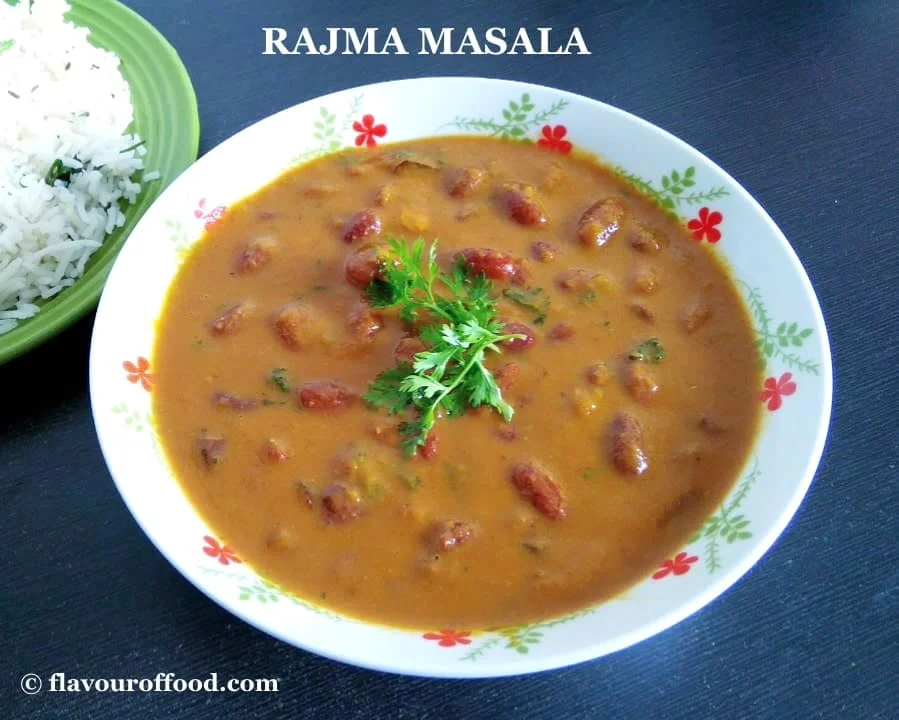
Rajma masala is a thick, warmly spiced kidney bean curry, served here with rice for a classic rajma chawal meal. The onion, tomato and garlic are cooked into a smooth paste, making a rich sauce that clings to the beans.
Ingredients
- 180 g (1 cup)dried rajma (kidney beans)
- 1.2–1.4 litres (5–6 cups)water, plus more if needed
- 2 largeonions, thinly sliced
- 1 largetomato, roughly chopped
- 5–6garlic cloves, roughly chopped
- 2.5 cm (1 inch) or ½ teaspoonginger, chopped if using fresh
- 1bay leaf
- 3cloves
- 2.5 cm (1 inch)cinnamon stick
- ¼ teaspoonturmeric powder
- 1 teaspoonred chilli powder
- 1 teaspooncoriander powder
- ¼ teaspoongaram masala powder
- 2 tablespoons (about 8 g)fresh coriander, finely chopped
- 75 ml (5–6 tablespoons)oil
- Up to 120 ml (½ cup), if neededwater for adjusting the curry
- To tastesalt
Instructions
- 1
Soak the beans
Wash the rajma and soak it in plenty of water overnight, or for about 10–12 hours.
- 2
Rinse the beans
Drain away the soaking water and rinse the rajma with fresh water.
- 3
Add cooker water
Put the rajma in a pressure cooker with 1.2 litres (5 cups) of water.
- 4
Pressure cook
Cook for 5–6 whistles, then turn off the heat and leave the cooker to cool.
- 5
Check the beans
Press a bean between your thumb and forefinger to check that it is cooked.
- 6
Brown the onions
Heat 30 ml (2 tablespoons) of oil in a kadai or pan. Add the sliced onions and sauté over medium-high heat until soft and browned.
- 7
Add the tomato
Add the roughly chopped tomato and mix it with the onions.
- 8
Soften the tomato
Stir continuously until the tomato has softened completely.
- 9
Blend the paste
Transfer the onion and tomato mixture to a grinder jar. Add the garlic and 2.5 cm (1 inch) of chopped ginger, then blend until smooth, adding a little water if needed.
- 10
Fry the whole spices
Heat the remaining 45 ml (3 tablespoons) of oil in the pan. Add the bay leaf, cinnamon and cloves, and sauté.
- 11
Cook the paste
Add the onion and tomato paste and stir continuously until it looks a little dry.
- 12
Add ground spices
Add the turmeric, red chilli powder, coriander powder and garam masala. Mix and stir over a medium flame.
- 13
Fry the masala
Cook the masala until it looks dry and releases its oil.
- 14
Add the rajma
Add the cooked rajma along with its cooking water, then stir well.
- 15
Adjust the sauce
Add up to 120 ml (½ cup) more water if needed, adjusting the consistency to your preference.
- 16
Season to taste
Add salt to taste.
- 17
Simmer the curry
Cover the pan and cook over a medium flame for 10 minutes, or until the curry thickens.
- 18
Finish with coriander
Stir in the finely chopped coriander leaves.
- 19
Serve the curry
Serve the rajma masala hot with jeera rice.
What is rajma masala?
Rajma masala is a North Indian kidney bean curry, often served with rice as rajma chawal. It is built around beans simmered in a spiced onion and tomato sauce.
This version blends the softened onion, tomato, garlic and ginger into a smooth paste before cooking it with whole and ground spices. That gives the curry a cohesive, thick sauce without losing the beans’ hearty texture.
Nutrition and macros by portion
The nutrition label shows one serving as written: 300 calories, 5g protein, 21g carbs, 24g fat.
| Portion | Adjustment | kcal | Protein | Carbs | Fat |
|---|---|---|---|---|---|
| Lighter | Use less oil | 210 kcal | 4g | 15g | 17g |
| This serving | As written | 300 kcal | 5g | 21g | 24g |
| Hungry | Serve with extra rice | 450 kcal | 8g | 32g | 36g |
The recipe lists 300 kcal per serving, with 5 g protein, 21 g carbohydrate and 24 g fat. Kidney beans provide most of the carbohydrate and some protein, while the oil is the main source of fat; serve it with rice and a fresh vegetable side to make a more rounded plate.
Choosing and soaking the beans
Dried rajma: Soaking for 10–12 hours helps the beans cook more evenly in the pressure cooker. Drain and rinse them before cooking, rather than using the soaking water.
Freshness: Older dried beans can take longer to soften. Check a bean by pressing it between your fingers before moving on to the masala.
Building the onion and tomato base
Browned onions: Cook the sliced onions until soft and browned before adding the tomato. This step develops the base flavour that carries through the finished curry.
Smooth paste: Blend the softened vegetables with the garlic and ginger until smooth. Add only a little water while grinding so the paste can still be cooked until fairly dry.
Cooking the spices
Whole spices: Sauté the bay leaf, cinnamon and cloves in the remaining oil before adding the paste. This brings them into the cooking fat and distributes their aroma through the sauce.
Ground spices: Stir the powders into the paste over medium heat, then cook until it looks dry and releases oil. Keep stirring so the mixture cooks evenly and does not catch on the pan.
Getting the right thickness
Cooking liquid: Add the rajma with its cooking water first, then assess the sauce before adding any extra water. The optional 120 ml (½ cup) is there to loosen it if needed.
Doneness: Simmer covered for 10 minutes, or until the curry thickens. The beans should be tender, and the sauce should coat them rather than look watery.
Serving rajma chawal
Rice: Serve the curry hot with jeera rice, as suggested in the recipe. Plain rice is also a simple match for the richly spiced sauce.
Fresh finish: Add the chopped coriander at the end so its flavour stays fresh. Onion and lemon can be served alongside the meal, as described in the recipe introduction.
Recipe notes & tips
- Soak the dried rajma for the full 10–12 hours for more even cooking.
- Allow the pressure cooker to cool before checking the beans.
- Blend the onion and tomato mixture smooth, adding water sparingly.
- Stir the paste and ground spices frequently so they cook without sticking.
- Add the optional water gradually to control the curry’s thickness.
- Finish with the chopped coriander just before serving.
Variations
- Milder curry: Reduce the red chilli powder to suit your preference.
- More heat: Increase the red chilli powder a little at a time.
- Fresh ginger: Use 2.5 cm (1 inch) of chopped ginger as listed, rather than the ½ teaspoon alternative.
- Thicker sauce: Mash a few cooked beans into the curry as you stir.
- Rice pairing: Serve with plain rice if you do not have jeera rice.
Common mistakes to avoid
- Skipping the soak: The beans may cook less evenly; soak them overnight or for 10–12 hours.
- Using the soaking water: Drain it away and rinse the beans before pressure cooking.
- Leaving beans undercooked: Check one by pressing it between your thumb and forefinger before making the curry.
- Adding too much water: Start with the bean cooking liquid and add extra water gradually if needed.
- Letting the paste catch: Stir frequently while it dries and while the spices cook.
- Stopping before it thickens: Keep the pan covered and simmer for 10 minutes, or until the sauce thickens.
How to store
Cool leftovers and refrigerate them in a covered container for up to 3 days. Reheat gently in a pan until piping hot, adding a splash of water if the curry has thickened; stir as it warms.
Frequently asked questions
How long should I soak rajma?
Soak it overnight, or for about 10–12 hours, then drain and rinse it before pressure cooking.
How do I know the rajma is cooked?
Press a bean between your thumb and forefinger. It should be soft enough to press easily.
Can I adjust how thick the curry is?
Yes. Add the cooked beans with their cooking water, then add the optional extra water gradually until the sauce reaches your preferred consistency.
What should I serve with rajma masala?
The recipe suggests jeera rice. Plain rice also works well, and onion and lemon can be served alongside.
Can I use ground ginger instead of fresh?
Yes. The ingredient list gives ½ teaspoon of ginger as an alternative to 2.5 cm (1 inch) of fresh ginger.
Can I make the curry ahead?
Yes. Refrigerate it in a covered container and reheat it gently until piping hot. Add a little water if it has thickened in the fridge.
Cook it from the original
This recipe comes from flavouroffood.com. Their page has the author’s own photos, notes and tips — the best place to cook it from.
Open the recipe on flavouroffood.com