
Spanish Stuffed Peppers Recipe
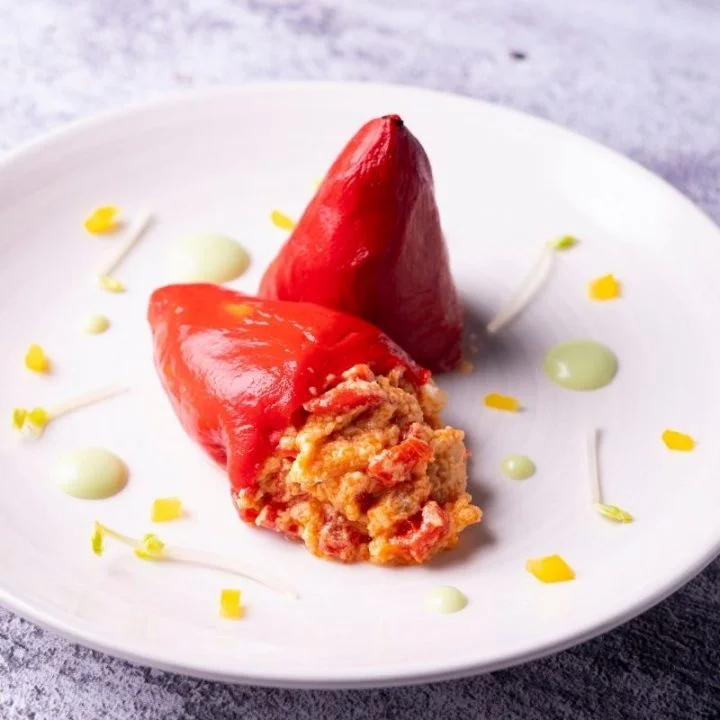
These Spanish stuffed piquillo peppers are filled with tuna, chopped egg and a little fried tomato, then finished with béchamel sauce. They make a handy tapas-style starter or a quick lunch.
Ingredients
- 150 ml (¾ cup)milk
- 1 tablespoonolive oil
- 1 pinchsalt
- 2 tablespoonsflour
- 8roasted piquillo peppers
- 2 canstuna
- 1egg
- 1 pinchsalt
- 2 tablespoonsfried tomato
Instructions
- 1
Boil the egg
Cook the egg in boiling water for 10 minutes.
- 2
Make béchamel
Heat the olive oil in a saucepan, stir in the flour, then gradually add the milk, stirring constantly until the sauce thickens. Add a little salt.
- 3
Chop the egg
When the egg is cooked, cool it under cold running water to make peeling easier. Peel it and chop it into small pieces.
- 4
Mix the tuna
Put the chopped egg in a bowl and mix it with the shredded canned tuna.
- 5
Finish the filling
Mix in a little fried tomato and two tablespoons of béchamel sauce, stirring until the filling is combined.
- 6
Fill the peppers
Fill the piquillo peppers with the tuna mixture, taking care not to tear their delicate flesh.
- 7
Serve with sauce
Spoon a little more béchamel over the stuffed piquillo peppers before serving.
What are Spanish stuffed peppers?
Piquillo peppers are small, sweet red peppers associated with northern Spain, often served as tapas or used as a casing for savoury fillings. This version pairs tuna and egg with fried tomato, then adds a creamy béchamel finish.
The filling is straightforward to assemble, while the ready-roasted peppers make the dish practical for a quick lunch or a party starter.
Nutrition and macros by portion
The nutrition label shows one serving as written: 139 calories, 14g protein, 7g carbs, 6g fat.
| Portion | Adjustment | kcal | Protein | Carbs | Fat |
|---|---|---|---|---|---|
| Lighter | Less béchamel on top | 97 kcal | 9g | 5g | 4g |
| This serving | As written | 139 kcal | 14g | 7g | 6g |
| Hungry | Serve with extra vegetables | 209 kcal | 20g | 10g | 10g |
The tuna and egg provide most of the protein, while the milk, flour and peppers contribute carbohydrates. Olive oil and the béchamel account for much of the fat. Serve with salad or vegetables for a more balanced plate.
Why this filling works
Tuna and egg: Both are chopped or shredded into a filling that is substantial without overwhelming the peppers. Mixing in fried tomato gives it a savoury, slightly tangy note.
Béchamel: A small amount binds the filling, and a little more goes over the peppers at serving. Stirring as the milk is added helps the sauce thicken evenly.
Keep the peppers intact
Gentle handling: Roasted piquillo peppers can split easily, especially when opening them to fill. Support each pepper and spoon the mixture in rather than pressing it down.
If a pepper does tear, it can still be served with the filling tucked inside and béchamel spooned over the top.
Look for a thick sauce
Béchamel cue: Stir continuously as the milk goes into the flour and oil mixture. It is ready for the filling when it has thickened enough to cling to a spoon.
Egg cue: The recipe cooks the egg for 10 minutes in boiling water, then cools it under running water before peeling and chopping.
A tapas-style serving
For a starter, serve the peppers in small portions with the béchamel as a finishing sauce. For lunch, pair them with a simple salad or vegetables to add freshness alongside the rich filling.
They can also be arranged on a platter for a gathering; add the sauce just before serving so the peppers remain easy to handle.
Timing the preparation
Prepare the egg and béchamel while arranging the filling ingredients. Once the egg is cool enough to handle, chop it and combine it with tuna, fried tomato and the measured béchamel.
Filling is the final hands-on stage, so take a little care with each pepper rather than rushing and splitting them.
Recipe notes & tips
- Stir the béchamel continuously as you add the milk to help it thicken smoothly.
- Let the boiled egg cool under running water before peeling it.
- Drain the tuna well so the filling is not overly wet.
- Use a small spoon to fill the peppers without stretching their sides.
- Add the final béchamel just before serving.
Variations
- Add herbs: Stir chopped parsley into the tuna and egg filling.
- Use another pepper: Fill roasted red peppers if piquillo peppers are unavailable.
- Make it tangier: Add a little extra fried tomato to the filling.
- Serve chilled: Cool the filled peppers and serve them as a cold tapas-style dish.
- Add a garnish: Finish with a few chopped herbs before bringing the platter to the table.
Common mistakes to avoid
- Lumpy béchamel: Add the milk gradually while stirring continuously.
- Broken peppers: Handle them gently and avoid packing the filling tightly.
- Wet filling: Drain the canned tuna before mixing it with the egg.
- Hard-to-peel egg: Cool it under running water after boiling.
- Too much sauce in the filling: Measure two tablespoons for mixing and reserve the rest for serving.
How to store
Refrigerate leftover stuffed peppers in a covered container and eat within 2 days. Reheat gently until hot, or serve cold; the peppers may soften further after storage.
Frequently asked questions
Can I make the filling ahead?
Yes. Mix the tuna, chopped egg, fried tomato and two tablespoons of béchamel, then keep the filling covered in the fridge. Fill the peppers when you are ready to serve.
Can I serve these peppers cold?
Yes, they can be served cold as a tapas-style dish. Chill them in a covered container and add the finishing béchamel when serving.
How do I stop the peppers from tearing?
Handle each roasted pepper gently and fill it with a small spoon. Avoid forcing the filling into the pepper or overfilling it.
What if I cannot find piquillo peppers?
Roasted red peppers can be used instead, though their size and shape may differ. Choose peppers that are intact enough to hold the filling.
How thick should the béchamel be?
Cook it until it has thickened and can cling to a spoon. Keep stirring as you add the milk.
Cook it from the original
This recipe comes from visitsouthernspain.com. Their page has the author’s own photos, notes and tips — the best place to cook it from.
Open the recipe on visitsouthernspain.com