
Oven Baked Oxtail Recipe
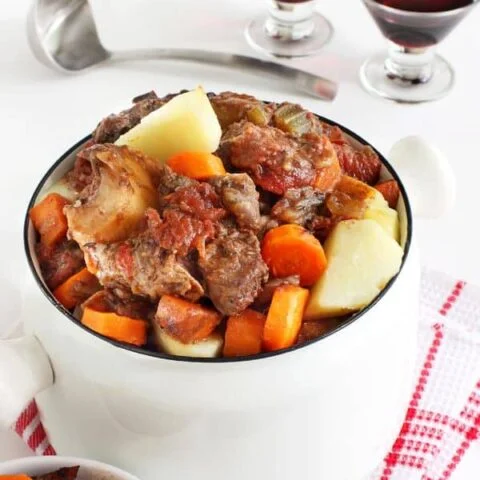
This Spanish-style oven-baked oxtail is browned, then slowly cooked in a rich sauce of red wine, sherry, tomatoes and vegetables until fork-tender. It is a comforting, hands-off meal for a relaxed dinner, with plenty of sauce to serve alongside.
Ingredients
- 2.5 kgoxtail
- 200 ml (1 cup)red wine
- 1 can (420 g)crushed tomatoes
- 480 ml (2 cups)beef broth
- 120 ml (1/2 cup)dry sherry
- 60 g (1/2 cup)plain flour
- 3 tablespoonsolive oil
- 2onions
- 4 clovesgarlic
- 2carrots
- 2celery sticks
- 2bay leaves
- 1 teaspoonsmoked paprika
- 1 teaspoondried thyme
- 1 teaspoondried rosemary
- 1/2 teaspoonground cumin
- to tastesalt and black pepper
Instructions
- 1
Preheat the oven
Heat the oven to 175°C (350°F).
- 2
Prepare vegetables
Wash, peel and finely dice the onions, carrots and celery. Peel and mince the garlic, then set the vegetables aside.
- 3
Season the oxtail
Pat the oxtail dry with kitchen paper. You can cut the pieces into quarters to shorten the cooking time, though the recipe recommends leaving them whole. Season with salt and pepper, coat with the flour and shake off the excess.
- 4
Brown the meat
Heat the olive oil in a large ovenproof casserole or roasting pan over a medium-high heat. Brown the oxtail on all sides in batches so the pan is not overcrowded, then transfer the pieces to a plate.
- 5
Soften the vegetables
Add the onion, garlic, carrots and celery to the same pan. Cook until softened.
- 6
Add the wine
Pour in the red wine and scrape the base of the pan to loosen the browned bits. Let it simmer for a few minutes.
- 7
Combine the ingredients
Return the browned oxtail to the pan. Add the crushed tomatoes, beef broth, dry sherry, bay leaves, smoked paprika, thyme, rosemary and cumin, then stir to combine.
- 8
Bake until tender
Bring the mixture to a simmer, cover the pan with foil and put it in the preheated oven. Bake for about 2 hours, until the oxtail is fork-tender and the flavours have come together. Check occasionally and add more broth if needed.
- 9
Skim the sauce
Take the pan out of the oven. Remove the bay leaves and skim off any excess fat.
- 10
Season and serve
Taste the slow-cooked oxtail and adjust the seasoning if needed. Serve warm.
What is oven-baked oxtail?
Oxtail is a richly flavoured cut that becomes tender through slow cooking. This Spanish-inspired version, described as an Andalusian dish, builds a deep sauce with wine, sherry, tomatoes and aromatic vegetables.
Browning the meat first adds colour and flavour, while the covered oven cooking gives the oxtail time to soften in the sauce.
Nutrition and macros by portion
The nutrition label shows one serving as written: 633 calories, 30g protein, 108g carbs, 17g fat.
| Portion | Adjustment | kcal | Protein | Carbs | Fat |
|---|---|---|---|---|---|
| Lighter | Smaller oxtail portion | 443 kcal | 21g | 76g | 12g |
| This serving | As written | 633 kcal | 30g | 108g | 17g |
| Hungry | Larger oxtail portion | 950 kcal | 45g | 162g | 26g |
The oxtail provides most of the protein and a substantial share of the fat, while the flour and vegetables contribute carbohydrates; the wine, tomatoes and broth also add to the sauce. Pair a serving with a generous portion of vegetables and a moderate amount of bread, rice or potatoes to round out the plate.
Choosing the ingredients
Oxtail: The pieces contain bone and connective tissue, so they need a long, gentle cook to become tender. Pat them dry before flouring to help them brown.
Wine and sherry: Red wine deglazes the pan after browning, while dry sherry joins the broth and tomatoes in the braising liquid. Use dry rather than sweet sherry for the savoury flavour intended here.
Vegetables and spices: Onion, carrot, celery and garlic form the base. Smoked paprika, thyme, rosemary and cumin season the sauce without distracting from the meat.
Why browning matters
Brown the oxtail on every side before adding the vegetables. Work in batches: if the pan is crowded, the pieces release moisture and are less likely to develop a good golden surface.
Once the meat is removed, soften the vegetables in the same pan so they pick up the browned residue. Scrape the base when adding red wine to incorporate those flavours into the sauce.
Getting the texture right
The oxtail is ready when it is fork-tender, rather than simply when the stated time has passed. If it still feels firm, continue baking and check it again later.
Keep the pan covered with foil during the oven stage to hold in moisture. Check occasionally and add more broth if the cooking liquid needs topping up.
Making the sauce
The flour coating helps give the sauce body as the meat cooks, while the tomatoes, broth and wine create its savoury, rounded flavour. Stir the ingredients together well before covering the pan.
After cooking, remove the bay leaves and skim excess fat from the surface. Taste before serving and adjust the salt and pepper if needed.
What to serve with it
Serve the oxtail with plenty of its sauce. Bread, potatoes or rice are useful accompaniments for soaking it up, while a green vegetable or salad adds a fresh contrast.
For a simple plate, spoon the sauce over the side dish and serve the oxtail warm.
Recipe notes & tips
- Dry the oxtail thoroughly before coating it so the flour sticks evenly.
- Brown the meat in batches rather than crowding the pan.
- Scrape the pan well after pouring in the red wine to loosen the browned bits.
- Check the oxtail for tenderness near the end of the oven time; continue cooking if it is still firm.
- Skim excess fat from the sauce before serving.
- Taste the sauce after cooking and adjust the salt and pepper at the end.
Variations
- Extra vegetables: Add more diced carrot or celery to the pan with the listed vegetables.
- Herb choice: Use fresh thyme or rosemary in place of the dried herbs, adjusting to taste.
- Milder paprika: Swap smoked paprika for sweet paprika for a less smoky sauce.
- Thicker sauce: Simmer the cooking liquid briefly on the hob after removing the oxtail.
- Serving style: Shred the cooked meat from the bones and return it to the sauce before serving.
Common mistakes to avoid
- Wet oxtail: Pat the pieces dry before flouring so they brown rather than steam.
- Crowded pan: Brown the oxtail in batches to give each piece room to colour.
- Burnt vegetables: Soften them over a controlled heat, stirring as needed.
- Uncovered braising: Seal the pan with foil so the cooking liquid does not evaporate too quickly.
- Stopping too soon: Keep baking if the meat is not yet fork-tender.
- Excess fat: Skim the surface after cooking before serving.
How to store
Cool leftovers promptly and store the oxtail with its sauce in a covered container in the fridge for up to 3 days. Reheat gently in a covered pan until piping hot, adding a splash of broth if the sauce has thickened; it can also be frozen in a suitable container.
Frequently asked questions
How do I know when the oxtail is cooked?
It should be fork-tender, with the meat soft enough to pull away from the bone easily. If it is still firm, return it to the oven and check again later.
Can I cut the oxtail into smaller pieces?
Yes. The recipe notes that cutting the pieces into quarters can speed up cooking, though it recommends leaving them whole.
Can I make this without an ovenproof casserole?
Use a roasting pan that can be covered with foil, as the method calls for covering the pan and baking the oxtail. Make sure it is suitable for oven use.
Why should I brown the oxtail in batches?
Leaving space around the pieces helps them brown instead of releasing moisture and steaming. The browned pieces can be set aside while you cook the next batch.
Can I prepare the dish ahead?
Yes. Cook it, cool it and refrigerate it with the sauce, then reheat gently until piping hot. Skim any solidified fat from the surface before reheating if desired.
Cook it from the original
This recipe comes from visitsouthernspain.com. Their page has the author’s own photos, notes and tips — the best place to cook it from.
Open the recipe on visitsouthernspain.com