
Cinnamon Almond Welsh Cakes
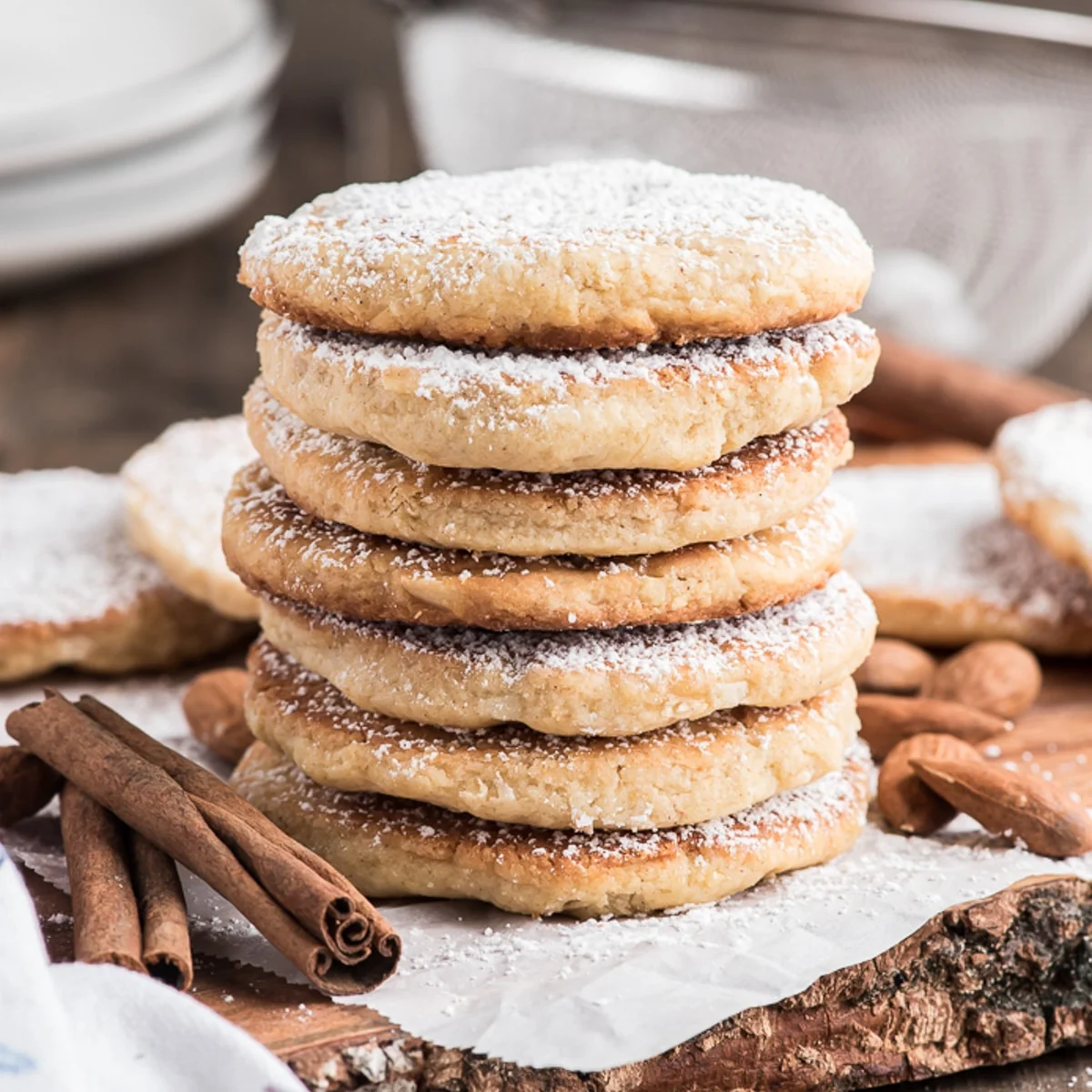
Welsh cakes are lightly spiced griddle cakes with a texture between a scone and a pancake. This cinnamon-and-almond version cooks on the hob, so it is a lovely choice when you want a simple bake to serve with tea or coffee.
Ingredients
- 190 g (1 1/2 cups)plain flour
- 50 g (1/4 cup)very fine sugar (granulated sugar also works)
- 5 ml (1 teaspoon)baking powder
- 1.25 ml (1/4 teaspoon)ground cinnamon
- a pinchsalt
- 113 g (1/2 cup), cold and cubedbutter
- 25 g (1/4 cup)slivered almonds
- 1 largeegg
- 30 ml (2 tablespoons)milk
- for dustingicing sugar
- a littleoil, for the pan
Instructions
- 1
Mix the dry ingredients
In a medium bowl, whisk together the flour, sugar, baking powder, salt and cinnamon. Rub or cut in the cold butter until the mixture resembles fine breadcrumbs, then stir in the slivered almonds.
- 2
Add egg and milk
Beat the egg and milk together with a fork in a small bowl. Add them to the flour mixture and stir just until combined.
- 3
Shape the cakes
Turn the dough onto a lightly floured surface and knead gently just until it holds together; do not overwork it. Roll it out with a lightly floured rolling pin to 1–2 cm thick, then cut into rounds with a 7 cm cutter.
- 4
Cook on the hob
Brush a little oil over a heavy frying pan and heat it on low. Thinner cakes can be cooked over medium-low heat. Add the rounds and cover the pan; turn them when browned, then continue cooking on low until done. Avoid high heat, which can brown the outside before the centres cook through.
- 5
Cool and dust
Let the cakes cool, then dust them with icing sugar before serving.
What are Welsh cakes?
Welsh cakes are traditional griddle-baked treats from Wales, made as small, round cakes and commonly served with tea. Their texture sits between a scone and a pancake: tender and crumbly, but cooked directly on a pan rather than in an oven.
This version keeps the familiar buttery dough and adds cinnamon and slivered almonds. The almonds bring a little crunch, while the gentle spice suits the cakes’ lightly sweet flavour.
Nutrition and macros by portion
The nutrition label shows one serving as written: 193 calories, 3g protein, 20g carbs, 11g fat.
| Portion | Adjustment | kcal | Protein | Carbs | Fat |
|---|---|---|---|---|---|
| Lighter | Use less icing sugar | 135 kcal | 2g | 14g | 8g |
| This serving | As written | 193 kcal | 3g | 20g | 11g |
| Hungry | Serve extra cakes | 290 kcal | 5g | 30g | 17g |
The flour and sugar provide most of the carbohydrates, while butter supplies much of the fat. The egg, milk, flour and almonds contribute protein; serve a cake with fruit or yoghurt if you want to make it part of a more substantial snack.
Why cold butter matters
Cold butter: work it into the flour until the mixture looks like fine breadcrumbs. Small pieces of butter help give the finished cakes their tender, short texture.
Fine sugar: it blends readily into the dry ingredients, though granulated sugar is also suitable as specified in the recipe.
Bring the dough together gently
Egg and milk: beat them together before adding, so they distribute more evenly through the flour mixture. Stir only until the dough comes together, then knead briefly on a lightly floured surface.
Stop early: a little unevenness is preferable to prolonged kneading, which can make the cakes firmer. If the dough sticks while rolling, use a light dusting of flour rather than working much more flour into it.
Roll and cut evenly
Thickness: roll the dough to 1–2 cm, as in the recipe. Thicker rounds need gentler, longer cooking so the centres have time to cook before the outsides become too dark.
Cutter: a 7 cm round cutter makes cakes of the specified size. Gather and reroll scraps gently if needed, taking care not to knead them repeatedly.
Cook slowly for a tender centre
Low heat: Welsh cakes cook directly in the pan, so steady, moderate heat is important. A heavy frying pan helps distribute the heat more evenly.
Doneness: turn the cakes once the underside is browned, then keep cooking on low until they are cooked through. If they colour too quickly, reduce the heat; a browned surface alone does not mean the middle is ready.
Serving and timing
The recipe takes about 45 minutes from start to finish, including mixing, shaping and cooking. Allow enough time to cook the cakes in batches without crowding the pan.
Serve them cooled and dusted with icing sugar, alongside tea or coffee. Their buttery, gently spiced flavour also pairs well with fruit or a little jam at the table.
Recipe notes & tips
- Measure the butter while cold, then cube it so it is easier to work into the flour.
- Keep the dough and work surface only lightly floured to avoid making the cakes dry.
- Roll the dough to an even thickness so the rounds cook at a similar pace.
- Cook a test cake first to check the heat and adjust it before cooking the rest.
- Cover the pan as directed while the cakes cook, and turn them once the underside is browned.
Variations
- More cinnamon: Add a little extra ground cinnamon for a warmer spice flavour.
- No almonds: Leave out the slivered almonds for a smoother-textured cake.
- Granulated sugar: Use granulated sugar in place of very fine sugar, as allowed in the recipe.
- Serve with jam: Offer jam at the table for a sweeter accompaniment.
- Smaller rounds: Cut smaller cakes and keep a close eye on them as they cook.
Common mistakes to avoid
- Overworking the dough: Knead only until it comes together to help keep the cakes tender.
- Too much flour: Use a light dusting for rolling, since excess flour can make the dough dry.
- High pan heat: Lower the heat if the outside browns before the centres cook through.
- Uneven thickness: Roll the dough evenly so some cakes do not finish much earlier than others.
- Crowding the pan: Cook in batches if needed so the rounds have room and are easier to turn.
How to store
Let the cakes cool completely, then store them in an airtight container at room temperature and eat within a few days. Warm briefly in a dry frying pan over low heat, turning once, or serve at room temperature.
Frequently asked questions
Can I use granulated sugar?
Yes. The recipe notes that granulated sugar works as well as very fine sugar.
How thick should I roll the dough?
Roll it to 1–2 cm thick, then cut the rounds with a 7 cm cutter.
Why are my Welsh cakes browned outside but raw inside?
The pan is likely too hot. Cook them over low heat, or medium-low if they are thinner, so the centres have time to cook.
Do I need a special pan?
No special pan is specified; use a heavy frying pan and brush it with a little oil.
Can I leave out the almonds?
Yes. You can omit them, though the cakes will lose the almond crunch.
When should I add the icing sugar?
Dust the cakes after they have cooled, just before serving.
Cook it from the original
This recipe comes from anitalianinmykitchen.com. Their page has the author’s own photos, notes and tips — the best place to cook it from.
Open the recipe on anitalianinmykitchen.com