
Mie Goreng (Indonesian Fried Noodles)
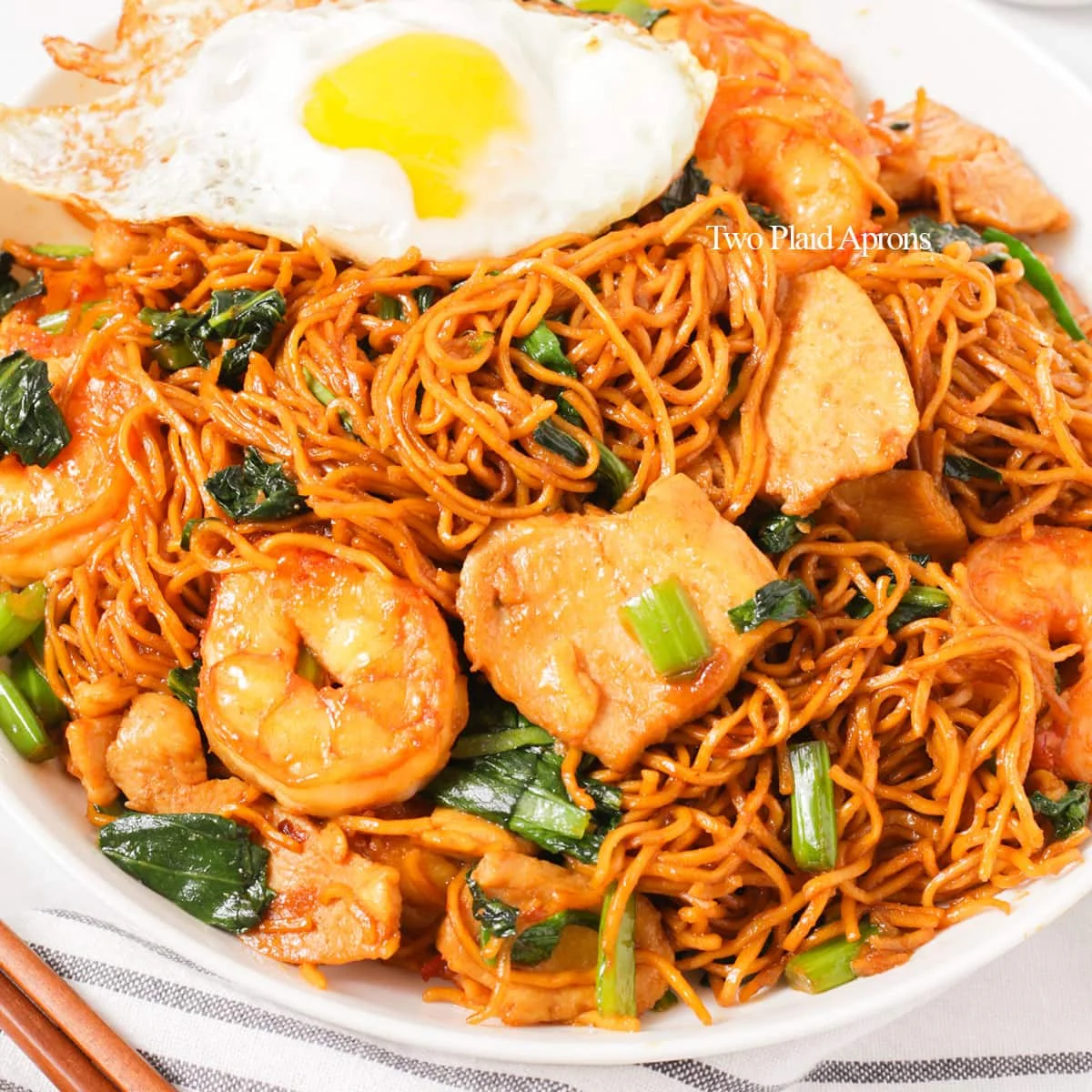
Mie goreng is an Indonesian stir-fried noodle dish with a sweet-savoury sauce and a gentle chilli kick. This version combines egg noodles, your choice of protein and choy sum for a quick, filling meal.
Ingredients
- 170 g (6 ounces)fresh egg noodles, such as chow mein or lo mein noodles
- 340 g (12 ounces)protein of your choice, such as shrimp, chicken, pork, beef or a combination
- 227 g (8 ounces)choy sum, cleaned and cut into 2.5 cm (1 inch) pieces
- 2 stalksspring onion, green parts only, cut into 2.5 cm (1 inch) pieces (optional)
- 2 largeeggs (optional)
- 1 mediumshallot, peeled and cut into smaller pieces
- 3 clovesgarlic, peeled and cut into smaller pieces
- 60 ml (4 tablespoons), or as neededneutral cooking oil
- 45 ml (3 tablespoons)kecap manis (sweet soy sauce)
- 15 ml (1 tablespoon)chilli sauce
- 5 ml (1 teaspoon)chicken bouillon powder
- 2.5 ml (1/2 teaspoon)onion powder
- 1.25 ml (1/4 teaspoon), or to tastesalt
- A pinch (optional)white pepper
Instructions
- 1
Prepare the protein
If using chicken, beef or pork, slice it thinly, season lightly with salt and mix. If using shrimp, peel and devein it, then season lightly with salt. Set the protein aside.
- 2
Cook the noodles
Bring a pan of water to the boil and cook the noodles until al dente. Drain thoroughly, then fluff with chopsticks or tongs to release steam. Set aside, taking care as the noodles will be very hot.
- 3
Mash the aromatics
Pound the shallot and garlic into a paste using a mortar and pestle, then set aside. Alternatively, finely chop them, though pounding gives a more pronounced flavour.
- 4
Sear the protein
Heat a non-stick pan or well-seasoned wok over medium-high heat and add enough oil to coat the base. When hot, sear the seasoned protein on both sides until just cooked, working in batches if needed to avoid crowding. Remove and set aside.
- 5
Fry the aromatics
Use the same pan or wok over medium heat and add about 60 ml (4 tablespoons) of oil. Once hot, add the shallot and garlic paste and sauté until fragrant and beginning to brown, scraping the pan to loosen any browned bits. Wash the pan or use a clean one if preferred.
- 6
Dry the noodles
Add the noodles to the aromatics and stir-fry for a couple of minutes, tossing occasionally so they dry out.
- 7
Add the choy sum
Add the choy sum stems and stir-fry for about 1 minute. Add the leaves and stir-fry everything for another minute.
- 8
Season and combine
Lower the heat to medium-low. Add the kecap manis, chilli sauce, chicken bouillon powder, onion powder, salt and white pepper. Return the cooked protein to the pan, add the spring onion and toss until everything is evenly coated.
- 9
Serve the noodles
Serve hot, topped with a fried egg if you like.
- 10
Fry the eggs
For the optional eggs, heat a generous coating of oil in a frying pan over medium-high heat. When the oil is hot and shimmering, crack in the eggs and fry to your preferred doneness. Remove and serve with the mie goreng.
What is mie goreng?
Mie goreng means fried noodles and is a familiar Indonesian dish, also known by names such as mee goreng. Its signature balance is sweet, savoury and gently spicy, usually built around noodles tossed with vegetables, protein and a seasoned sauce.
Here, springy egg noodles meet kecap manis, choy sum and your choice of protein. Cooking the components in stages helps the noodles take on the sauce without losing their texture.
Nutrition and macros by portion
The nutrition label shows one serving as written: 1151 calories, 53g protein, 89g carbs, 63g fat.
| Portion | Adjustment | kcal | Protein | Carbs | Fat |
|---|---|---|---|---|---|
| Lighter | Use less oil and sauce | 806 kcal | 37g | 62g | 44g |
| This serving | As written | 1151 kcal | 53g | 89g | 63g |
| Hungry | Add another noodle portion | 1727 kcal | 79g | 134g | 95g |
The noodles and kecap manis supply most of the carbohydrate, while the cooking oil and optional fried egg contribute much of the fat. The protein choice provides most of the protein, with the exact balance varying by whether you use shrimp or meat. To balance the plate, serve with extra non-starchy vegetables and keep added oil to what you need for the pan.
Choose the noodles and protein
Noodles: Fresh chow mein or lo mein egg noodles suit this quick stir-fry. Boil them only until al dente, then drain them well so they do not turn soft in the pan.
Protein: Shrimp, chicken, pork, beef or a combination all work. Slice meat thinly so it cooks quickly, and cook in batches if the pan is crowded.
Build flavour with the aromatics
Shallot and garlic: Pounding these into a paste gives them plenty of contact with the hot oil and helps their flavour spread through the noodles. Finely chopping them is a useful alternative.
Browned bits: Scrape the pan as the paste cooks to lift the savoury residue left by searing the protein. Keep the aromatics moving so they become fragrant and lightly browned without burning.
Stir-fry in stages
Noodles first: Toss them with the aromatics for a couple of minutes to drive off excess moisture before adding the vegetables and sauce. A roomy, hot pan makes it easier to toss everything rather than steam it.
Stems before leaves: Choy sum stems need a little more time than the leaves, so add them first and follow with the leaves after about a minute. Stop once the leaves have softened but still look fresh.
Get the sauce balance right
Kecap manis: This thick, sweet soy sauce gives the dish its distinctive sweetness and savoury depth. Toss thoroughly so it coats the noodles instead of collecting at the bottom of the pan.
Chilli and seasoning: The chilli sauce brings a mild kick, while bouillon powder and onion powder add savoury notes. Taste before adding extra salt, as the sauces and bouillon already contribute seasoning.
When to add the protein
Sear the protein separately until just cooked, then set it aside while you prepare the noodles. Adding it back near the end warms it through without keeping it over the heat for too long.
If using shrimp, watch for it to turn opaque; thin slices of meat should be cooked through. The recipe does not specify a precise cooking time, so let doneness guide you.
Serving ideas
Serve the noodles straight away, with a fried egg on top if you want a richer finish. The yolk can mingle with the sweet-savoury sauce as you eat.
For a simple meal, serve the mie goreng on its own or alongside extra greens. Keep any additional seasoning at the table so everyone can adjust the heat and salt to taste.
Recipe notes & tips
- Drain the noodles thoroughly so excess water does not dilute the sauce.
- Fluff the cooked noodles to release steam and help keep them separate.
- Sear the protein in batches if necessary to avoid crowding the pan.
- Keep the aromatics moving as they brown so they do not catch on the pan.
- Add the choy sum stems before the leaves so both finish with a pleasant bite.
- Taste before adding extra salt because kecap manis and bouillon are already seasoned.
Variations
- Use shrimp: Peel and devein it before giving it a light seasoning and quick sear.
- Mix proteins: Combine shrimp and thinly sliced meat, cooking each in batches.
- Adjust the heat: Add more or less chilli sauce to suit your preference.
- Add an egg: Fry the optional eggs and serve them on top of the noodles.
- Swap the greens: Use another leafy vegetable in place of choy sum, adding firmer stems first.
Common mistakes to avoid
- Overcooking the noodles: Stop at al dente because they will be stir-fried again.
- Crowding the pan: The protein may steam rather than sear; cook it in small batches.
- Leaving the noodles wet: Drain them well so they do not water down the sauce.
- Burning the aromatics: Stir them over medium heat and scrape the pan as they cook.
- Adding leaves too early: Fry the choy sum stems first, then add the leaves for their shorter cooking time.
- Salting too soon: Taste the finished sauce before adding more salt, as the seasonings are already savoury.
How to store
Refrigerate leftovers in an airtight container and eat within 3 days. Reheat in a pan over medium heat with a small splash of water, stirring until hot throughout; add a little oil if the noodles seem dry.
Frequently asked questions
Can I use dried noodles?
Yes. Cook them according to their packet instructions, stopping when they are al dente, then drain thoroughly before stir-frying.
What can I use instead of kecap manis?
Kecap manis gives the dish its characteristic sweet, thick soy flavour. A different soy sauce will make the result less sweet and may need to be adjusted to taste.
Can I make mie goreng without meat or seafood?
Yes. Leave out the protein or use a plant-based alternative, and check that the bouillon powder is suitable for your preference.
How spicy is this recipe?
It has a mild kick from the chilli sauce. Reduce the amount or leave it out if you prefer less heat.
Do I have to use a wok?
No. A large non-stick frying pan works too; cook the protein in batches if needed to leave room for the noodles.
Can I prepare anything ahead?
You can slice the protein and vegetables and pound the aromatics in advance. Cook and stir-fry the noodles close to serving time for the best texture.
Cook it from the original
This recipe comes from twoplaidaprons.com. Their page has the author’s own photos, notes and tips — the best place to cook it from.
Open the recipe on twoplaidaprons.com