
Instant Pot Chicken Cacciatore
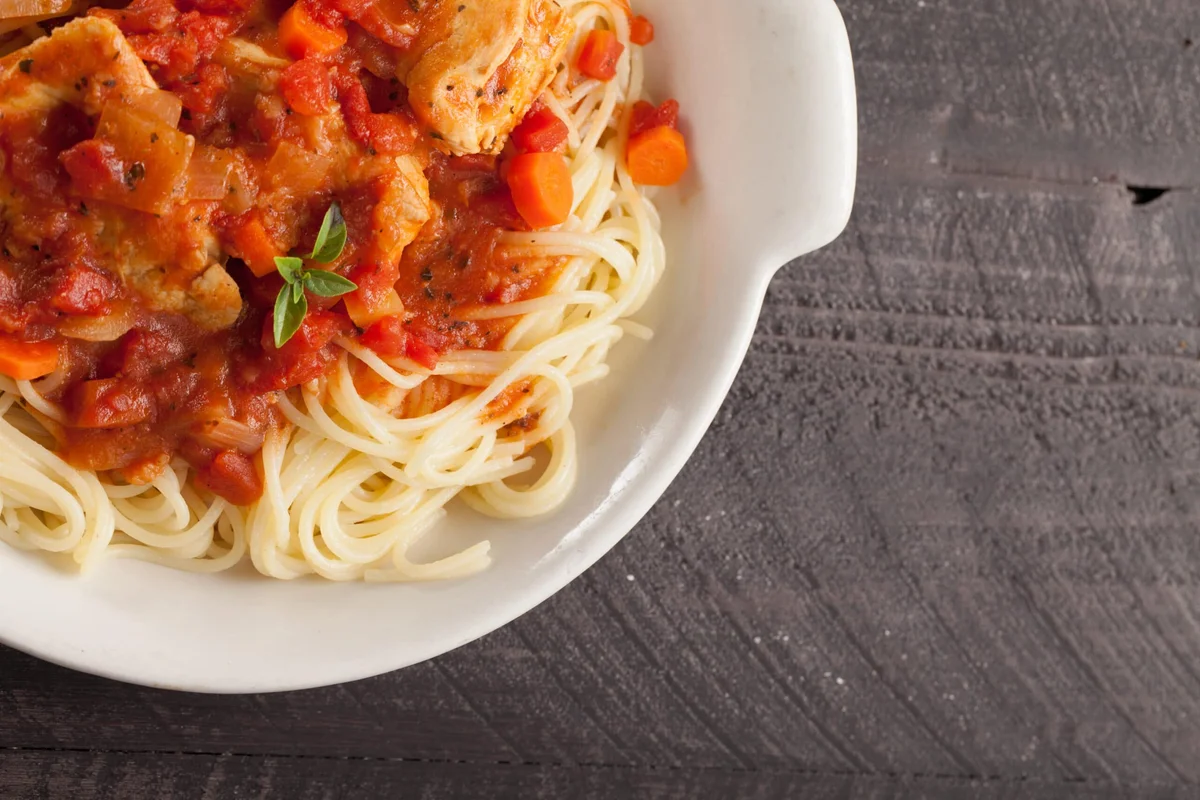
Instant Pot chicken cacciatore pairs bone-in chicken with tomatoes, olives, capers and herbs in a savoury sauce. Pressure cooking makes it a practical one-pot dinner, with a short simmer at the end to concentrate the sauce.
Ingredients
- 4skin-on chicken drumsticks
- 4skin-on, bone-in chicken thighs
- 60 ml (4 tablespoons)olive oil
- 1 thin sliceonion
- 4 clovesgarlic
- 15 ml (1 tablespoon)canned tomato paste
- 1 cancanned diced tomatoes
- 240 ml (1 cup)low-sodium chicken stock
- 20 ml (4 teaspoons)fresh thyme
- 75 g (½ cup)Kalamata olives
- 75 g (½ cup)green olives
- 30 ml (2 tablespoons)drained canned capers
- 15 ml (1 tablespoon)lemon juice
- 30 ml (2 tablespoons)fresh parsley
Instructions
- 1
Brown the chicken
Set the Instant Pot to Sauté and add the olive oil. Season the chicken with salt and pepper, then sear it until golden brown. Transfer the chicken to a plate.
- 2
Build the sauce
Add the onion and smashed garlic cloves to the pot and sauté until soft and translucent. Stir in the tomato paste and cook for 2 minutes. Add the diced tomatoes, chicken stock, thyme, olives and capers.
- 3
Pressure cook
Return the chicken to the pot and lock the lid. Set it to Manual or Pressure Cook for 25 minutes.
- 4
Reduce the sauce
Release the pressure manually, then carefully remove the lid. Take out the chicken and set it aside. Switch to Sauté and simmer the sauce for a further 10 minutes, until it has reduced to about 1 pint (570 ml). Stir in the chopped parsley and lemon juice, then pour the sauce over the chicken.
- 5
Serve the chicken
Serve with rice, pasta or polenta.
What is chicken cacciatore?
Cacciatore means “hunter-style” in Italian and is used for rustic dishes of meat cooked with ingredients such as tomatoes and herbs. This version brings those flavours together with olives and capers.
The pressure cooker handles the chicken in one pot, while a final uncovered simmer thickens the sauce and lets the ingredients come together.
Nutrition and macros by portion
The nutrition label shows one serving as written: 657 calories, 62g protein, 10g carbs, 41g fat.
| Portion | Adjustment | kcal | Protein | Carbs | Fat |
|---|---|---|---|---|---|
| Lighter | Remove chicken skin | 460 kcal | 43g | 7g | 29g |
| This serving | As written | 657 kcal | 62g | 10g | 41g |
| Hungry | Add a larger side | 986 kcal | 93g | 15g | 62g |
The chicken provides most of the protein, while the tomatoes contribute most of the carbohydrates. Olive oil and the skin on the chicken account for much of the fat. Serve with a green vegetable alongside, or add a modest portion of rice, pasta or polenta to complete the plate.
Choosing the chicken
Bone-in pieces: the drumsticks and thighs are suited to pressure cooking, and their bones help the pieces hold their shape during the cook.
Skin-on pieces: sear them first to develop colour. Work in batches if needed so the chicken browns rather than crowds the pot.
Build flavour in stages
Onion and garlic: sauté them until softened before adding the tomato paste, so they have time to release their flavour into the oil.
Tomato paste: give it the full 2 minutes of stirring before adding the tomatoes and stock. Olives and capers bring salty, briny notes, so taste the finished sauce before adding extra salt.
The pressure-cooking step
Searing first: the chicken should be golden on the outside before it goes back into the pot with the sauce. It does not need to be cooked through at this stage.
Pressure release: release the pressure manually as directed, and take care when removing the lid because hot steam escapes.
Reduce for the right texture
After pressure cooking, lift the chicken out before simmering the sauce. This makes it easier to stir and reduce the liquid without breaking up the pieces.
The sauce is ready when it has reduced to about 1 pint (570 ml), as specified in the method. Stir in the parsley and lemon juice after reducing to keep their flavours fresh.
What to serve alongside
Rice, pasta and polenta are all suggested accompaniments in the recipe and make a base for the tomato sauce. Spoon plenty of sauce over the chicken and chosen side.
For a simple plate, add a green vegetable alongside. The olives and capers already make the sauce quite savoury, so a plainly cooked side works well.
Recipe notes & tips
- Pat the chicken dry before searing to help it brown.
- Brown the chicken in batches if the pot is crowded.
- Use the pot’s Sauté setting for both the initial browning and the final sauce reduction.
- Drain the capers before adding them to the pot.
- Taste the sauce before serving, as olives and capers add plenty of savoury flavour.
Variations
- More herbs: add extra fresh thyme if you prefer a more herb-forward sauce.
- Olive choice: use more of either type of olive to suit your preference.
- Milder sauce: reduce the capers for a less briny finish.
- Extra vegetables: serve with a green vegetable alongside the chicken.
- Different base: choose rice, pasta or polenta to serve under the sauce.
Common mistakes to avoid
- Crowding the pot: the chicken may steam instead of browning, so sear it in batches.
- Skipping the tomato paste cook: stir it for the full 2 minutes before adding the liquid.
- Leaving the sauce thin: simmer it on Sauté for the specified 10 minutes, until reduced to about 1 pint (570 ml).
- Stirring the chicken while searing: leave each piece in place until it has developed a golden colour.
- Opening the lid carelessly: release pressure manually and keep clear of the steam when removing it.
How to store
Refrigerate leftovers in a covered container for up to 3 days. Reheat gently in a saucepan or microwave until piping hot, adding a splash of stock or water if the sauce has thickened too much.
Frequently asked questions
Can I use boneless chicken?
The recipe specifies bone-in thighs and drumsticks. Boneless pieces may cook differently, so check that they are cooked through before serving.
Can I use frozen chicken?
This method begins by searing the chicken, so use thawed chicken for the stated steps and timing.
Why reduce the sauce after pressure cooking?
The uncovered simmer removes some liquid and concentrates the sauce. The method gives 10 minutes as a guide and specifies reducing it to about 1 pint (570 ml).
What can I serve with chicken cacciatore?
The recipe suggests rice, pasta or polenta. A green vegetable also makes a simple accompaniment.
Can I make it without olives?
You can omit them, though they are part of this recipe’s savoury, briny flavour. Taste the sauce before serving and adjust the seasoning to suit.
Cook it from the original
This recipe comes from superhealthykids.com. Their page has the author’s own photos, notes and tips — the best place to cook it from.
Open the recipe on superhealthykids.com