
Lemon Tart
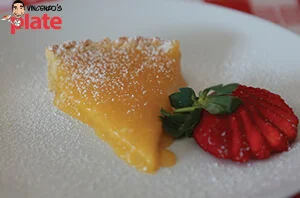
This Italian-style lemon tart pairs a buttery shortcrust pastry with a smooth, tangy lemon cream. It is a good choice when you want a bright citrus dessert that can be made ahead and chilled before serving.
Ingredients
- 250 gFlour
- 100 gSugar
- 2Egg yolks
- 1Egg
- 100 gButter, at room temperature and cut into cubes
- 2Lemons
- 1 packet (or 1 teaspoon)Vanilla powder (or vanilla essence)
- 350 gSugar
- 3Eggs
- 200 gButter
- 75 mlLemon juice, squeezed from the lemons used for the pastry
- 25 cmTart tin with a removable base
Instructions
- 1
Rub in butter
Put the flour and room-temperature butter in a bowl. Use your hands to press the butter into the flour until combined.
- 2
Add flavourings
Mix in the vanilla powder and 100 g sugar.
- 3
Grate the zest
Finely grate the zest of both lemons into the bowl and mix until the mixture looks crumbly.
- 4
Add the yolks
Separate 2 eggs, keeping the yolks and discarding or reserving the whites. Add the yolks to the bowl.
- 5
Add whole egg
Add 1 whole egg to the mixture.
- 6
Bring together
Mix until the ingredients start to bind and soften into a dough.
- 7
Knead the dough
Turn the dough onto a chopping board and knead it briefly into a ball.
- 8
Smooth the dough
Dust the board and dough with flour, then work the dough until it feels soft and begins to look smooth.
- 9
Shape and wrap
Shape the dough into an oval rather than a large round ball, then wrap it tightly in cling film.
- 10
Chill the pastry
Place the wrapped dough in the fridge.
- 11
Squeeze the lemons
Halve both lemons and squeeze out the juice, catching any seeds with a small strainer. Measure out 75 ml; the amount you get will depend on the size of the lemons.
- 12
Melt the butter
Put the 200 g butter in a small non-stick saucepan and heat over a medium heat.
- 13
Whisk the cream
Once the butter has melted, add the lemon juice, 3 eggs and 350 g sugar. Whisk thoroughly.
- 14
Thicken the cream
Keep stirring until the lemon cream thickens.
- 15
Heat the oven
Preheat the oven to 180°C.
- 16
Cool the cream
Take the thickened cream off the heat and set it aside to cool.
- 17
Roll the pastry
Take the dough from the fridge and remove the cling film. Press it down with your fingers, then roll it out in both directions. Turn it over and roll it again.
- 18
Prepare the tin
Generously butter the 25 cm tart tin, including the sides. If you prefer, melt the butter and brush it over the tin.
- 19
Dust with flour
Sprinkle flour over the base and sides of the tin, shaking it from side to side to coat them.
- 20
Line the tin
Drape the pastry over the rolling pin and transfer it to the tin. Roll the pin across the tin to lay the pastry in place, then gently press it into the base and sides with your fingers.
- 21
Trim the edges
Roll the pin over the rim of the tin to cut away the excess pastry.
- 22
Prick the base
Use a fork to make small, deep holes all over the pastry base.
- 23
Bake the base
Bake the pastry at 180°C for 15 minutes.
- 24
Cool the pastry
Remove the tin from the oven and let the pastry cool for about 10 minutes.
- 25
Fill the tart
After 10 minutes, pour the lemon cream into the pastry case.
- 26
Set with oven heat
Switch off the oven and return the tart to it for 20 minutes, using the residual heat to firm the cream without further baking.
- 27
Chill before serving
Let the tart cool, then put it in the fridge to set before serving.
What is an Italian lemon tart?
This tart brings together a sweet shortcrust shell and a rich lemon cream, with zest in the pastry and juice in the filling. Lemon tarts are popular across Italy, though recipes vary from region to region and from kitchen to kitchen.
Here, the pastry is baked first, then filled with stovetop cream and returned to the switched-off oven. That gentle residual heat helps the filling firm without baking the whole tart for longer.
Nutrition and macros by portion
The nutrition label shows one serving as written: 440 calories, 6g protein, 57g carbs, 22g fat.
| Portion | Adjustment | kcal | Protein | Carbs | Fat |
|---|---|---|---|---|---|
| Lighter | Smaller tart slice | 308 kcal | 4g | 40g | 15g |
| This serving | As written | 440 kcal | 6g | 57g | 22g |
| Hungry | Larger tart slice | 660 kcal | 9g | 86g | 33g |
The flour and sugars provide most of the carbohydrates, while the pastry and filling butter contribute much of the fat. Eggs add protein, though each slice is still mainly a dessert portion; serve it after a meal with fruit or alongside a lighter main course.
Making the shortcrust
Butter and flour: Rub the butter into the flour by hand until the mixture is crumbly. Keep working it only until the dough comes together; a short knead helps it smooth out without making it tough.
Lemon and vanilla: The grated zest perfumes the pastry, while vanilla rounds out its sweetness. Shaping the dough into an oval makes it easier to roll into a shape that fits the tin.
Getting the lemon cream right
Juice: Measure 75 ml rather than relying on the number of lemons alone, since their size and juiciness vary. Straining as you squeeze helps keep seeds out of the filling.
Heat: Stir the butter, juice, eggs and sugar continuously over medium heat. The cream is ready when it has thickened; remove it from the heat then, rather than letting it boil or stick to the pan.
Lining and baking the case
Transfer: Roll the pastry around the rolling pin to move it over the tin, then ease it into the corners with your fingers. Handle it gently so it stays intact.
Base: Pricking the pastry helps it cook through during its 15 minutes in the oven. Let the case cool for about 10 minutes before adding the cream.
How the tart sets
Residual heat: The oven is switched off before the filled tart goes back in for 20 minutes. This step uses the warmth already inside the oven to help firm the cream.
Chilling: The tart needs to cool before it goes into the fridge. Give it time to set there before cutting, so the filling is less likely to run.
Serving ideas
A small slice is a natural finish to a meal, especially after a savoury main course. Fresh berries can add a fruity contrast to the sharp lemon.
For a simple accompaniment, serve with a spoonful of yoghurt or lightly whipped cream. Cut with a clean knife, wiping the blade between slices for neater portions.
Recipe notes & tips
- Measure 75 ml of lemon juice, as two lemons may yield different amounts.
- Keep the pastry oval when shaping it to make rolling and transferring easier.
- Dust the sides as well as the base of the tin so the pastry releases more easily.
- Press the pastry gently into the corners instead of stretching it.
- Stir the lemon cream continuously as it thickens over the heat.
- Chill the tart until set before slicing.
Variations
- Citrus blend: Replace some of the lemon juice with orange juice for a milder citrus note.
- Extra zest: Add finely grated orange zest to the pastry for a more aromatic shell.
- Berry topping: Serve slices with fresh berries for a fruity contrast.
- Vanilla essence: Use 1 teaspoon of vanilla essence in place of the packet of vanilla powder.
- Creamy serving: Add a spoonful of lightly whipped cream alongside each slice.
Common mistakes to avoid
- Guessing the juice: Lemon sizes vary, so measure out 75 ml for the filling.
- Overworking the pastry: Knead only until it comes together and starts to look smooth.
- Skipping the tin coating: Butter and flour the base and sides to help the pastry release.
- Rushing the transfer: Use the rolling pin to support the pastry, then ease it carefully into the tin.
- Overheating the cream: Stir constantly over medium heat and take it off the hob once thickened.
- Cutting too soon: Cool and chill the tart before slicing so the filling has time to set.
How to store
Keep the tart covered in the fridge and eat within 3 days. Serve chilled, or let a slice stand briefly at room temperature; reheating is not necessary and may soften the filling.
Frequently asked questions
How much lemon juice should I use?
Use 75 ml. The two lemons are also used for the pastry zest, but their juice yield can vary.
How do I know when the lemon cream is thick enough?
Keep whisking over medium heat until it noticeably thickens. Take it off the heat at that point, before it boils or catches on the bottom of the pan.
Why does the tart go back into a switched-off oven?
The recipe uses the oven's residual heat for 20 minutes to help the filling firm without continuing to bake the whole tart.
Can I make the tart ahead?
Yes. After it has cooled, chill it until set and keep it covered in the fridge until serving.
What if I do not have vanilla powder?
The ingredient list gives 1 teaspoon of vanilla essence as an alternative.
Can I use a tart tin without a removable base?
A removable base makes the tart easier to release. If using a different tin, butter and flour it well and take care when serving directly from it.
Cook it from the original
This recipe comes from vincenzosplate.com. Their page has the author’s own photos, notes and tips — the best place to cook it from.
Open the recipe on vincenzosplate.com