
Nigerian Tomato Rice
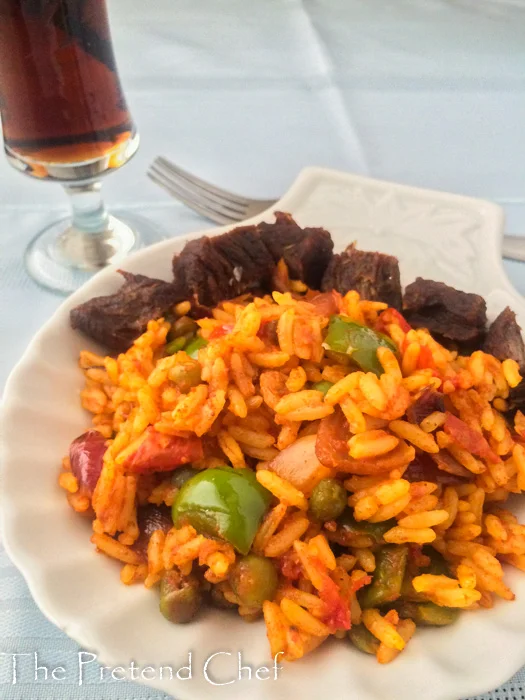
Nigerian tomato rice is a quick, spicy one-pan dish that coats cooked rice in a sauce of tomatoes, pepper and aromatic spices. It is a handy way to turn leftover rice into a colourful, satisfying meal.
Ingredients
- 2 tablespoons (30 ml)vegetable oil
- 1 smallonion
- ½ teaspoon (2.5 ml)minced ginger
- ½ teaspoon (2.5 ml)minced garlic
- ¼ teaspoon (1.25 ml)paprika or dried chilli pepper
- ½ teaspoon (2.5 ml)turmeric (gangamau)
- ½ tablespoon (7.5 ml)yaji suya spice
- 1Scotch bonnet (fresh pepper)
- 2 largetomatoes
- 2 tablespoons (30 ml)tomato paste
- 1 smallgreen pepper
- 1 teaspoon (5 ml)salt
- ½ teaspoon (2.5 ml), optionalsugar
- 2 cups (about 320 g)cooked rice
- ¼ cup (about 35 g)fresh peas
Instructions
- 1
Prepare the vegetables
Dice the onion, tomatoes and green pepper into 2.5 cm pieces. Mince the Scotch bonnet and set it aside.
- 2
Thin the paste
Stir the tomato paste together with 2 tablespoons of water.
- 3
Soften the onion
Warm the vegetable oil in a saucepan or frying pan over medium-low heat. When hot, add the onion and fry until soft.
- 4
Add aromatics
Stir in the ginger and garlic until fragrant.
- 5
Stir in spices
Add the turmeric, paprika or dried chilli pepper, and yaji suya spice, stirring them through.
- 6
Add tomatoes and peas
Add the diced tomatoes and tomato paste mixture and stir well. Add the green pepper and peas, stir, then cover the pan.
- 7
Simmer the sauce
Simmer for 2–3 minutes, until the peas are cooked through and the tomatoes have broken down.
- 8
Fold in the rice
Add the rice and sprinkle over 2 tablespoons of water. Stir everything together and cover the pan.
- 9
Simmer until dry
Simmer until the rice is heated through and the excess moisture has evaporated.
What is Nigerian tomato rice?
Tomato rice is a familiar style of West African home cooking, with rice cooked or tossed in a seasoned tomato base. This version uses already-cooked rice, so the sauce comes together quickly rather than needing time to cook raw grains.
Tomato paste deepens the tomato flavour, while Scotch bonnet and yaji suya spice bring heat and savoury warmth. Green pepper and peas add colour and a little freshness.
Nutrition and macros by portion
The nutrition label shows one serving as written: 200 calories, 5g protein, 37g carbs, 7g fat.
| Portion | Adjustment | kcal | Protein | Carbs | Fat |
|---|---|---|---|---|---|
| Lighter | Use less oil | 140 kcal | 3g | 26g | 5g |
| This serving | As written | 200 kcal | 5g | 37g | 7g |
| Hungry | Serve a larger portion | 300 kcal | 7g | 56g | 10g |
Most of the carbohydrates come from the cooked rice, while vegetable oil supplies most of the fat. The rice and peas contribute some protein, but the amount is modest; serve with beans, chicken or fish and extra vegetables to make a more balanced plate.
The tomato base
Tomatoes: Dicing them into small pieces helps them soften and break down during the short simmer.
Tomato paste: Loosening it with water makes it easier to stir evenly through the pan and prevents concentrated clumps.
Building the flavour
Aromatics: Let the onion soften before adding ginger and garlic; stir the latter just until fragrant.
Spices: Stir the turmeric, paprika or dried chilli, and yaji through the oil and aromatics so their flavours spread across the sauce. The Scotch bonnet is listed in the ingredients but is not mentioned in the method, so add it with the other aromatics if you want its heat in the dish.
Getting the texture right
Sauce: Give the tomatoes and peas the stated 2–3 minutes to simmer, until the tomatoes have broken down and the peas are cooked through.
Rice: Cooked rice should be stirred in gently so it picks up the sauce without turning mushy. The final simmer should leave the rice moist with flavour but without visible excess liquid.
Working with cooked rice
Cold leftover rice is convenient for this recipe because it is already cooked and can be folded into the sauce at the end. Break up any compacted clumps before adding it, so it heats evenly.
If the rice seems dry as it warms, the method provides 2 tablespoons of water to help it heat through under the lid.
Heat and seasoning
Scotch bonnet: Its heat can be intense, so adjust how much you use to suit your preference; removing the seeds can make the chilli less fiery.
Salt and sugar: The recipe includes 1 teaspoon of salt and optional sugar. Taste the finished rice before serving, particularly if the cooked rice or spice blend is already seasoned.
What to serve with it
Serve the rice as a simple main or alongside grilled chicken, fish or beans for a more substantial plate. A crisp salad or sliced cucumber makes a fresh contrast to the warm spices.
For a fuller meal, include an additional protein and vegetables on the side rather than increasing the rice alone.
Recipe notes & tips
- Use rice that has been cooked ahead and chilled so it is easy to stir into the sauce.
- Dice the vegetables before heating the oil, as the sauce cooks quickly once the aromatics are in the pan.
- Keep the heat at medium-low while softening the onion so it does not brown too quickly.
- Taste before adding extra salt, as yaji suya spice blends can already contain seasoning.
- Stir gently after adding the rice to keep the grains as separate as possible.
Variations
- Milder chilli: Use less Scotch bonnet or leave it out for a gentler dish.
- Extra vegetables: Add diced carrots with the peas so they have time to soften.
- More protein: Serve with cooked beans, chicken or fish.
- Herb finish: Scatter over chopped fresh coriander just before serving.
- Smokier flavour: Use smoked paprika in place of regular paprika.
Common mistakes to avoid
- Crowded chopping: Large vegetable pieces take longer to soften; cut them into roughly 2.5 cm cubes as directed.
- Burnt aromatics: Garlic can turn bitter if left too long; stir it only until fragrant.
- Lumpy tomato paste: Mix it with the measured water before adding it to the pan.
- Mushy rice: Fold in already-cooked rice gently and avoid simmering it longer than needed to heat through.
- Watery finish: Keep simmering until excess moisture has evaporated before serving.
How to store
Refrigerate leftovers promptly in a covered container and eat within 3–4 days. Reheat until piping hot throughout, adding a small splash of water if the rice has dried out.
Frequently asked questions
Can I use freshly cooked rice?
Yes, provided it is cooked and cooled enough to stir in without breaking up. Chilled leftover rice is especially convenient for this quick method.
How spicy is Nigerian tomato rice?
The Scotch bonnet and dried chilli or paprika determine much of the heat. Use less Scotch bonnet, or omit it, for a milder result.
When should I add the Scotch bonnet?
The ingredient list includes it, but the method does not specify when to add it. For heat throughout the dish, stir it in with the ginger and garlic.
Can I use frozen peas?
Yes. Add them where the recipe adds the fresh peas and simmer until cooked through; they may need a little longer than fresh peas.
How do I know when the rice is ready?
It should be hot throughout, coated in the tomato mixture and no longer surrounded by excess liquid.
Can I make it without yaji suya spice?
You can leave it out, though the flavour will be different. The recipe does not give a direct substitute for its savoury spice blend.
Cook it from the original
This recipe comes from thepretendchef.com. Their page has the author’s own photos, notes and tips — the best place to cook it from.
Open the recipe on thepretendchef.com