
No-Knead Sweet Dough Recipe
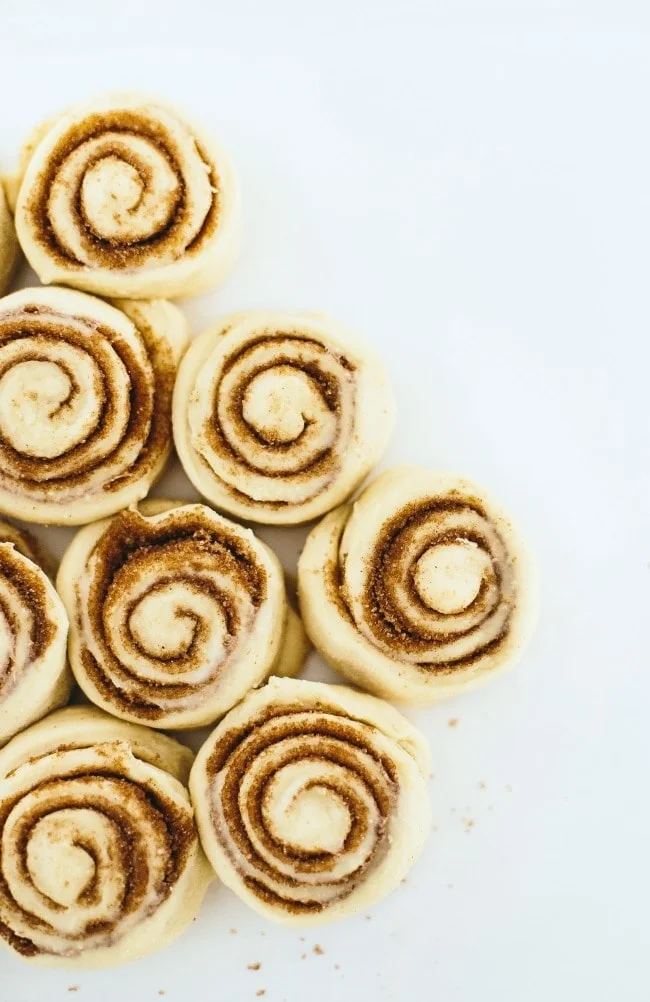
This soft, enriched American sweet dough comes together in a stand mixer, with no kneading by hand. Make it ahead and use it as the base for cinnamon rolls, caramel rolls or cinnamon buns.
Ingredients
- 4 largeeggs, at room temperature
- 180 g (¾ cup)warm whole milk (35–42°C)
- 85 g (¼ cup)honey
- 568 g (4 cups)plain flour
- 2¼ teaspoonsinstant yeast
- 2 teaspoonssalt
- 142 g (10 tablespoons; 1¼ sticks), cut into 2.5 cm piecesunsalted butter, at room temperature
Instructions
- 1
Grease the bowl
Grease a large bowl and set it aside for the dough.
- 2
Mix wet ingredients
In a large liquid measuring jug, combine the eggs, milk and honey.
- 3
Mix the dough
Fit a stand mixer with the paddle attachment. Add the flour, yeast and salt to the mixer bowl and stir on low until combined. Add the egg mixture and mix on low. Keeping the mixer on low, add the butter one piece at a time. Once it is all in, raise the speed to medium and beat for 1 minute, until the small pieces of butter are incorporated. Transfer the very sticky dough to the greased bowl, using a spatula to scrape it out.
- 4
Fold and chill
Cover the bowl with cling film and leave the dough to rise for 30 minutes. Slide your fingers or a spatula under the dough, gently lift it and fold it over itself; turn the bowl and repeat, then continue for 6–8 more folds until all the dough has been folded. Cover again and leave to rise for 30 minutes. Repeat the folding and rising sequence 3 more times, making 4 sets of folds and 2 hours of total rising time. Cover the bowl and refrigerate overnight or for up to 72 hours.
What is sweet dough?
Sweet dough is an enriched yeast dough, made richer and more tender with eggs, milk, honey and butter. This American-style version is designed as a versatile base for rolled and shaped bakes such as cinnamon rolls and buns.
The no-knead approach relies on mixing and repeated folds rather than hand kneading. Chilling the dough overnight or for up to 72 hours makes it convenient to prepare ahead.
Nutrition and macros by portion
The nutrition label shows one serving as written: 937 calories, 24g protein, 127g carbs, 34g fat.
| Portion | Adjustment | kcal | Protein | Carbs | Fat |
|---|---|---|---|---|---|
| Lighter | Use a smaller portion | 656 kcal | 17g | 89g | 24g |
| This serving | As written | 937 kcal | 24g | 127g | 34g |
| Hungry | Make a larger bake | 1406 kcal | 36g | 191g | 51g |
Flour supplies most of the carbohydrates, while butter contributes much of the fat; eggs and milk provide some protein. As this is a dough base rather than a complete meal, serve the finished bake with fruit or another protein-rich side to round out the plate.
Why the dough is so sticky
Flour: plain flour gives the dough its structure, while the eggs, milk and honey make it soft and enriched. Measure the flour carefully so the dough does not become unnecessarily firm.
Butter: adding the room-temperature pieces gradually helps them mix into the dough. Scrape the bowl with a spatula when transferring it; stickiness is expected at this stage.
Mixing without kneading
Mixer: the paddle attachment combines the ingredients and beats in the butter without requiring hand kneading. Start on low to avoid flour and liquid splashing out.
Butter: let each addition start to mix in before adding the next. The dough is ready for its first rise when no small butter pieces remain visible.
How the folds help
First rise: after 30 minutes, lift the dough from underneath and fold it over itself. Turn the bowl as you work so you fold the dough all around.
Repeat: complete 6–8 additional folds, then cover and rise for another 30 minutes. Repeat that folding-and-rising sequence three more times for four sets of folds in total.
Timing and chilling
Rise: the dough has four 30-minute rests, adding up to 2 hours of rising time. Keep it covered during the rests so the surface does not dry out.
Chill: once the final set of folds is complete, cover the bowl and refrigerate the dough overnight or for up to 72 hours. The listed 15-minute total time does not include the rises or chilling.
Using the dough
Shape: this recipe makes a base for cinnamon rolls, caramel rolls or cinnamon buns. The method here ends with chilled dough; follow the instructions for the particular bake when shaping and baking it.
Serve: pair the finished rolls or buns with fruit or a savoury breakfast side for a more varied plate.
Recipe notes & tips
- Bring the eggs and butter to room temperature before mixing.
- Check the milk temperature with a thermometer; it should be 35–42°C.
- Use a spatula to scrape the sticky dough from the mixer bowl.
- Keep the bowl covered during each rise and while the dough is chilling.
- Set a timer for each 30-minute rise to keep the folding sequence on track.
Variations
- Cinnamon rolls: use the chilled dough as the base for a cinnamon-swirled roll.
- Caramel rolls: shape it for a caramel-topped bake, following your chosen recipe's instructions.
- Cinnamon buns: form it into buns and finish them according to your preferred method.
- Honey flavour: use a mild honey if you want its sweetness to sit gently in the dough.
Common mistakes to avoid
- Adding butter too quickly: add the pieces one at a time so they can incorporate evenly.
- Adding extra flour: the dough is meant to be very sticky, so use a spatula rather than trying to make it firm.
- Skipping the folds: complete all four folding sets to follow the method as written.
- Letting the dough dry out: cover the bowl during rises and refrigeration.
- Using hot milk: keep it within 35–42°C rather than overheating it.
How to store
Keep the dough covered in the refrigerator for up to 72 hours. Use it chilled as directed by the recipe for the rolls or buns you are making; this dough recipe does not include baking or reheating instructions.
Frequently asked questions
Does this dough need kneading?
No hand kneading is required. The stand mixer combines the ingredients, and repeated folds form part of the method.
How long does the dough rise?
It rises for four 30-minute periods, with a folding session after each of the first four rests as directed. The total rising time is 2 hours.
Can I refrigerate the dough overnight?
Yes. Cover the bowl and refrigerate the dough overnight or for up to 72 hours.
Why is the dough so sticky?
That is expected for this enriched dough. Use a spatula to scrape it into the prepared bowl rather than adding flour.
What can I make with this dough?
It can be used as the base for cinnamon rolls, caramel rolls and cinnamon buns. Follow the shaping and baking instructions for the specific recipe.
Cook it from the original
This recipe comes from thevanillabeanblog.com. Their page has the author’s own photos, notes and tips — the best place to cook it from.
Open the recipe on thevanillabeanblog.com