
Pisto and hake empanadillas
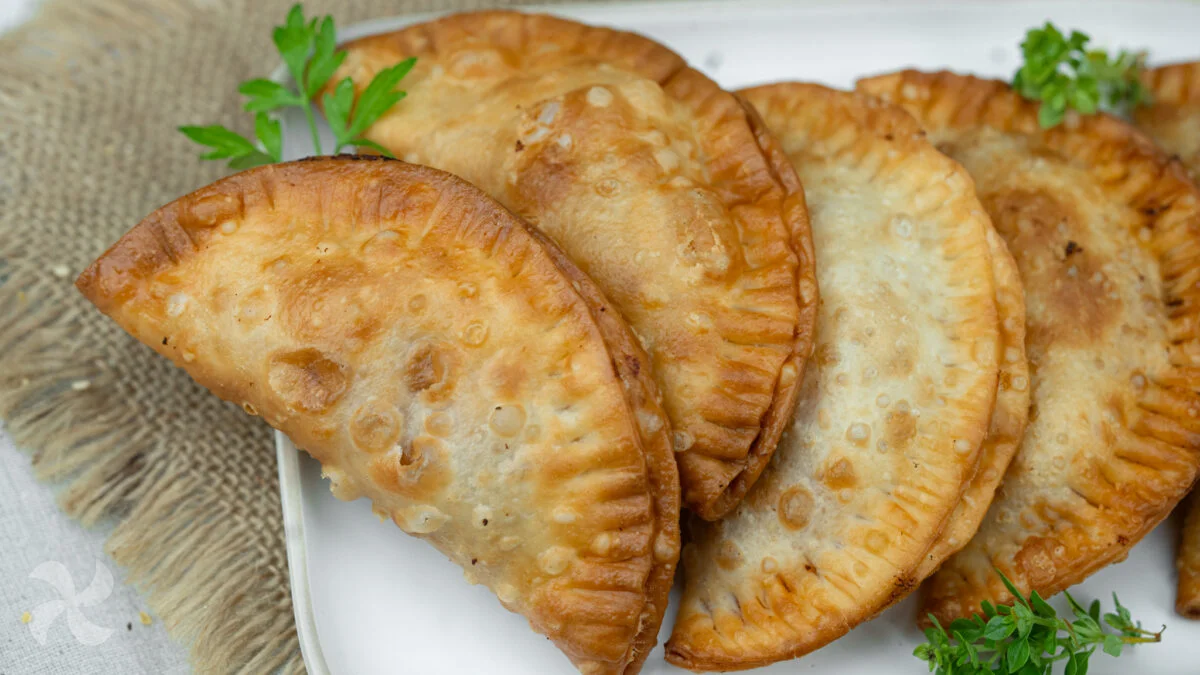
These Spanish empanadillas are crisp pastry parcels filled with slow-cooked pisto and flaky hake. They make a satisfying hot meal or a shareable snack, with the vegetable filling prepared in a food processor and the parcels fried until golden.
Ingredients
- 1 packetlarge empanadilla pastry discs
- 2 filletshake
- 45 golive oil
- 1 smallonion
- 1 smallred pepper
- 1/2aubergine
- 1/2 smallcourgette
- 1 smallgreen pepper
- 2 clovesgarlic
- 380 ghomemade fried tomato sauce
- as neededsunflower or olive oil, for frying
- to tastesalt
Instructions
- 1
Prepare the onion
Peel and quarter the onion, then put it into the food processor bowl. Peel the garlic cloves and add them.
- 2
Add the peppers
Wash both peppers, cut them into several pieces and add them to the bowl.
- 3
Chop the vegetables
Wash the aubergine and courgette, cut them into several pieces and add them to the bowl. Chop for 9 seconds at speed 4.
- 4
Cook the vegetables
Open the lid and use a spatula to scrape the vegetables down to the bottom of the bowl. Add 45 g olive oil and cook for 15 minutes at 120°C on spoon speed.
- 5
Add the tomato
Add 380 g homemade fried tomato sauce and cook for a further 20 minutes at 120°C on spoon speed.
- 6
Fry the hake
Add a thin drizzle of olive oil to a frying pan and heat it. Add the hake fillets with a little salt and fry them.
- 7
Fill the pastry
Lay the pastry discs on the work surface. Add a small portion of pisto to each, then top with flaked hake. Fold each disc closed and press the edges together with a fork to seal.
- 8
Fry the parcels
Heat plenty of oil in a frying pan. Once hot, add the empanadillas and fry until golden on both sides.
- 9
Drain and serve
Lift out the empanadillas and leave them to drain on a plate lined with kitchen paper to absorb excess oil. Serve hot.
What are pisto and empanadillas?
Pisto is a Spanish dish of vegetables cooked together, often including peppers, aubergine, courgette and tomato. Empanadillas are small filled pastry parcels found in Spanish cooking, shaped to hold a savoury filling.
Here, the pisto is paired with hake, giving the parcels a soft, savoury centre beneath their crisp fried casing. Cooking the vegetables before filling the pastry helps bring the flavours together.
Nutrition and macros by portion
The nutrition label shows one serving as written: 340 calories, 0g protein, 0g carbs, 0g fat.
| Portion | Adjustment | kcal | Protein | Carbs | Fat |
|---|---|---|---|---|---|
| Lighter | Use less frying oil | 238 kcal | 0g | 0g | 0g |
| This serving | As written | 340 kcal | 0g | 0g | 0g |
| Hungry | Serve a larger portion | 510 kcal | 0g | 0g | 0g |
The pastry and vegetables provide most of the carbohydrates, while the olive and frying oils contribute much of the fat. Hake supplies the protein. Pair a serving with salad or other vegetables for a more balanced plate.
Build the pisto base
Chopping the onion, garlic, peppers, aubergine and courgette in the food processor creates a fine, even mixture. Scrape the chopped vegetables down before cooking so they meet the oil at the bottom of the bowl.
The tomato sauce goes in after the vegetables have cooked for 15 minutes, then simmers with them for another 20 minutes. This gives the filling time to become cohesive before it goes into the pastry.
Cook the hake gently
Fry the hake fillets in a little olive oil with a little salt, as directed, then flake them for the filling. Keeping the fish in flakes rather than mixing it into the pisto while it cooks helps it remain distinct in each parcel.
Let the fish and pisto filling cool enough to handle before assembling. A very hot filling can make the pastry harder to seal.
Seal each parcel well
Use a small portion of filling on each pastry disc, leaving a clear edge around it. Too much filling can push into the seam and make the parcels difficult to close.
Fold the disc over and press its edges firmly with a fork. Check that there are no gaps before frying so the filling stays inside.
Fry for an even colour
The oil should be hot before the empanadillas go into the pan; the recipe gives no exact frying temperature. Add them in batches if needed, so they can brown on both sides without crowding.
Lift them out once both sides are golden and drain them on kitchen paper. Serve while hot for the crispest pastry.
What to serve alongside
Serve the empanadillas hot as a main meal with a green salad or simply dressed vegetables. Their crisp pastry and rich filling also make them easy to share as part of a tapas-style spread.
If serving several dishes, include something fresh and crunchy alongside the parcels to contrast with the soft pisto filling.
Recipe notes & tips
- Scrape the chopped vegetables down to the bottom of the processor bowl before adding the oil.
- Keep the filling portions small enough to leave a clean edge for sealing.
- Press the pastry edges firmly with a fork all the way around each parcel.
- Wait until the frying oil is hot before adding the empanadillas.
- Drain the cooked parcels on kitchen paper before serving.
Variations
- Add a little spice: season the pisto with paprika or chilli before filling the pastry.
- Change the fish: use another flaky white fish in place of the hake.
- Use a baked finish: bake the sealed parcels instead of frying them, following the pastry packet's guidance.
- Make smaller parcels: use smaller pastry discs and reduce the amount of filling in each.
- Add fresh herbs: mix chopped parsley into the flaked hake before assembling.
Common mistakes to avoid
- Overfilling the pastry: the edges may not seal; use a small spoonful and leave a clear border.
- Loose seams: filling can escape during frying; press the edge firmly with a fork.
- Adding filling while very hot: the pastry can be harder to handle; let the pisto and hake cool enough to work with.
- Crowding the pan: the parcels may brown unevenly; fry them in batches.
- Skipping the drain: excess oil can make the pastry greasy; rest the parcels on kitchen paper.
How to store
Store cooled empanadillas in an airtight container in the fridge and eat within 2 days. Reheat in an oven until hot and crisp; the pastry may soften if reheated in a microwave.
Frequently asked questions
Can I make the pisto ahead?
Yes. Cook the pisto in advance and refrigerate it, then assemble the empanadillas when you are ready to cook.
Can I use frozen hake?
Yes, thaw it fully before frying and flaking it for the filling.
How do I stop the filling leaking out?
Avoid overfilling, keep the pastry edges clear and seal them firmly with a fork.
Can I bake these instead of frying them?
The recipe method fries the parcels. Baking is an alternative, but follow the pastry packet's instructions for oven temperature and timing.
Can I freeze the empanadillas?
They are best frozen before frying, arranged separately so they do not stick together. Cook from frozen only if the pastry packet gives suitable instructions.
Cook it from the original
This recipe comes from thermorecetas.com. Their page has the author’s own photos, notes and tips — the best place to cook it from.
Open the recipe on thermorecetas.com