
Easy Pav Bhaji
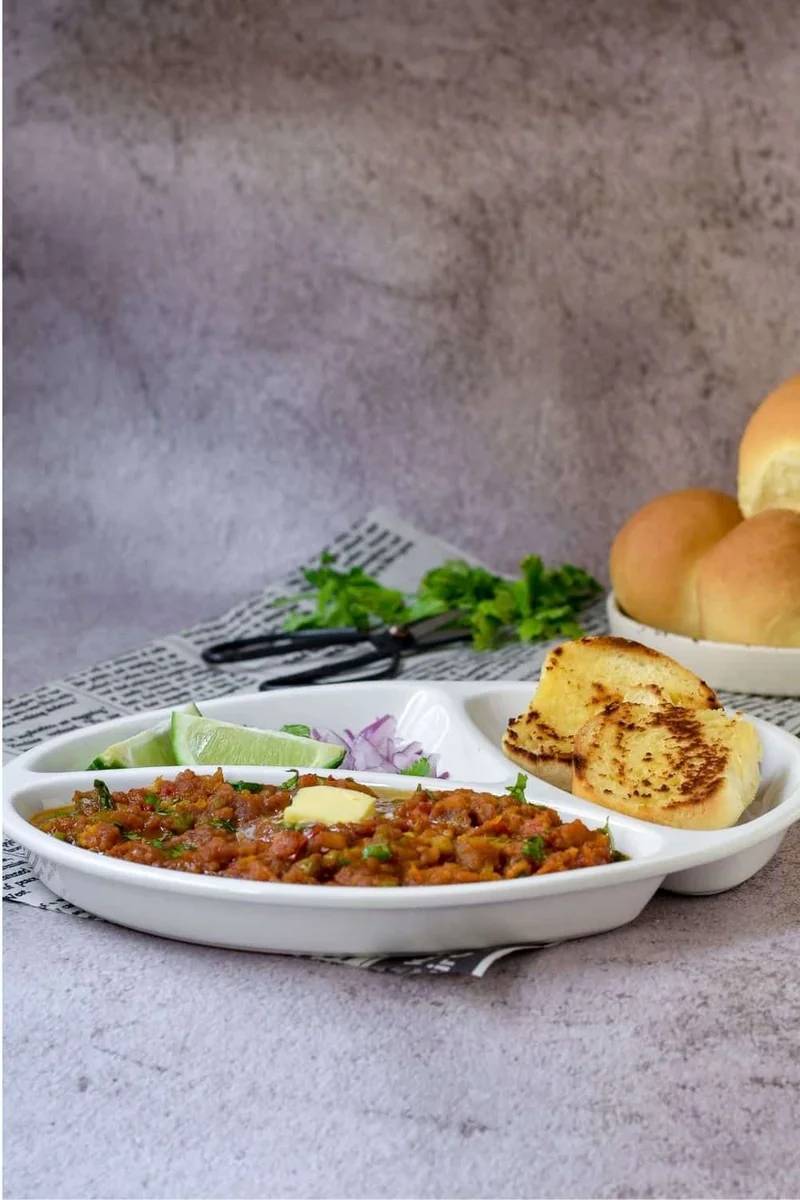
Easy pav bhaji is a richly spiced mash of potatoes, vegetables and tomato, served with toasted bread rolls. It makes a comforting, flavour-packed meal, with a freshly roasted spice mix giving this version its distinctive aroma.
Ingredients
- 3dried chillies
- 2 tbspcoriander seeds
- 2cloves
- 1 tspfennel seeds
- 1 tbspcumin seeds
- 1/2 tspblack pepper
- 1 stick, 5 cmcinnamon
- 1 tbspoil
- 1 tbspbutter
- 1onion, finely chopped
- 1 tspginger and garlic paste
- 1 tspKashmiri chilli powder
- 2 + 2 tsppav bhaji masala
- 1 tspgaram masala (optional)
- 1/2 tspturmeric
- 240 ml (1 cup)tomato passata or purée
- 120 ml (1/2 cup)water
- 1/2green pepper, cut into small cubes
- 3 mediumpotatoes, boiled
- 120 ml (1/2 cup)peas
- 1 cupcauliflower florets
- 2 tbspbutter
- to tastesalt
- to tastesugar (optional)
- to servebread rolls
- 1red onion, diced
- to servecoriander leaves, chopped
- 1lime
Instructions
- 1
Roast the spices
For the pav bhaji masala, roast all the spices over a low heat until fragrant. Leave them to cool, then grind them in a grinder or with a mortar and pestle. Set aside.
- 2
Cook the vegetables
Put 3 cups of water and the cubed potatoes in a pot and cook them. Add the cauliflower for the final 10 minutes and cook until the vegetables are soft and tender. Drain off any excess water and set the vegetables aside.
- 3
Fry the aromatics
Heat the butter and oil in a pot. Add the onion and green pepper and fry until the onion is golden brown. Stir in the ginger and garlic paste and cook for 1 minute.
- 4
Add the spices
Stir in 2 tsp pav bhaji masala, the Kashmiri chilli powder and turmeric, and cook for 2 minutes. Pour in 1/2 cup water and scrape the base of the pot to deglaze it.
- 5
Simmer the sauce
Add the tomato passata and peas. Season with salt, adding a little sugar if the sauce tastes too acidic. Simmer over a low heat for about 10 minutes.
- 6
Mash the bhaji
Add the potatoes and cauliflower, then mash all the vegetables in the pot with a potato masher. Mix in 2 tablespoons butter, another 2 tsp pav bhaji masala and the garam masala. Finish with chopped coriander.
- 7
Toast and serve
Serve the bhaji hot with toasted bread rolls, diced onion and a drizzle of lime juice.
What is pav bhaji?
Pav bhaji is a popular Indian street-food dish: pav means bread rolls, while bhaji is a spiced vegetable mash. It is associated with Mumbai, where the combination of hot, buttery bread and boldly seasoned vegetables makes a filling, informal meal.
This version builds flavour with a homemade toasted spice blend, then cooks potatoes, cauliflower and peas into a soft, saucy mash. Toasted rolls, fresh onion and lime bring contrast at the table.
Nutrition and macros by portion
The nutrition label shows one serving as written: 620 calories, 16g protein, 99g carbs, 20g fat.
| Portion | Adjustment | kcal | Protein | Carbs | Fat |
|---|---|---|---|---|---|
| Lighter | Use less butter | 434 kcal | 11g | 69g | 14g |
| This serving | As written | 620 kcal | 16g | 99g | 20g |
| Hungry | Add another bread roll | 930 kcal | 24g | 149g | 30g |
Potatoes, peas, bread rolls and passata provide most of the carbohydrates, while the butter and oil contribute much of the fat. The vegetables add some fibre, and peas provide some of the dish's plant protein. Serve with extra vegetables or a crisp salad, and keep the amount of butter on the rolls modest if you want a more balanced plate.
The homemade spice blend
Whole spices: roasting the chillies, coriander, cloves, fennel, cumin, pepper and cinnamon over low heat helps release their aroma. Keep them moving and take them off the heat as soon as they smell fragrant.
Ground masala: let the spices cool before grinding them so they become a fine, even blend. The recipe uses some in the tomato base and saves the rest to stir in near the end.
Cooking the vegetables
Potatoes: the method cooks cubed potatoes in water, although the ingredient list describes them as boiled. Cook them until tender enough to mash, and drain excess water before adding them to the bhaji.
Cauliflower: add the florets for the final 10 minutes of cooking so they soften alongside the potatoes. Peas go into the tomato sauce and simmer there before the cooked vegetables are added.
Building the flavour
Golden onion: fry the onion with the green pepper until the onion has turned golden brown; this gives the base a deeper savoury flavour. Cook the ginger and garlic paste for 1 minute before adding the powdered spices.
Tomato base: cooking the masala for 2 minutes before adding the water helps it coat the onion and pepper. Scrape the pot as you add the water, then let the passata and peas simmer gently for about 10 minutes.
Getting the right texture
Soft mash: use a potato masher in the pot to combine the vegetables with the sauce. Mash until the mixture is cohesive, while leaving a little texture if you prefer a less smooth bhaji.
Final seasoning: the extra butter and pav bhaji masala go in after mashing, along with optional garam masala. Taste before serving and adjust the salt, spice or lime at the table.
Serving the pav
Bread rolls: toast them just before serving so they are warm and ready for scooping up the bhaji. The recipe does not specify a particular kind of roll, so use soft bread rolls that toast well.
Fresh toppings: serve the bhaji with diced red onion and a drizzle of lime juice, then add chopped coriander. Their crispness and tang balance the buttery, soft vegetable mixture.
Recipe notes & tips
- Roast the whole spices over low heat and stop once they smell fragrant.
- Let the roasted spices cool before grinding them.
- Drain excess water from the cooked potatoes and cauliflower so the bhaji is not watery.
- Scrape the base of the pot well when deglazing to lift the browned flavour into the sauce.
- Mash the vegetables while they are hot for an easier, more even texture.
- Toast the bread rolls shortly before serving so they stay warm and crisp.
Variations
- Adjust the heat: reduce the dried chillies or Kashmiri chilli powder for a milder bhaji.
- Make it smoother: mash the vegetables more thoroughly for a softer, more uniform texture.
- Add more vegetables: include extra peas or cauliflower and mash them into the sauce.
- Use shop-bought masala: substitute ready-made pav bhaji masala for the homemade spice blend.
- Skip the garam masala: leave it out for a simpler finish, as it is optional in the recipe.
Common mistakes to avoid
- Scorching the spices: keep the heat low and stir until fragrant, rather than letting them darken too much.
- Adding wet vegetables: drain excess cooking water before mixing the potatoes and cauliflower into the sauce.
- Burning the masala: stir the powdered spices for the specified 2 minutes, then add the water.
- Skipping the simmer: give the passata and peas about 10 minutes over low heat to meld.
- Mashing too early: add the potatoes and cauliflower after the sauce has simmered, then mash them together.
- Serving cold rolls: toast them just before bringing the bhaji to the table.
How to store
Refrigerate leftover bhaji in a covered container for up to 3 days. Reheat it in a pan over a low heat, stirring and adding a splash of water if needed; toast fresh rolls to serve. Store bread rolls and fresh toppings separately.
Frequently asked questions
Can I make the pav bhaji masala ahead?
Yes. Roast and grind the spices ahead, then store the blend in an airtight container until you are ready to cook.
Can I use ready-made pav bhaji masala?
Yes, use ready-made pav bhaji masala in place of the homemade blend. Add it in the two stages described in the method, tasting as you go.
How do I know when the vegetables are ready?
The potatoes and cauliflower should be soft and tender enough to mash easily. Add the cauliflower for the final 10 minutes of cooking.
What if the bhaji is too thick?
Stir in a small splash of water and warm it gently until it reaches the consistency you like.
What should I serve with pav bhaji?
Serve it with toasted bread rolls, diced red onion, chopped coriander and lime juice, as in this recipe.
Can I leave out the garam masala?
Yes. It is optional, so you can omit it without changing the rest of the method.
Cook it from the original
This recipe comes from tamarindnthyme.com. Their page has the author’s own photos, notes and tips — the best place to cook it from.
Open the recipe on tamarindnthyme.com