
Soft Burger Buns
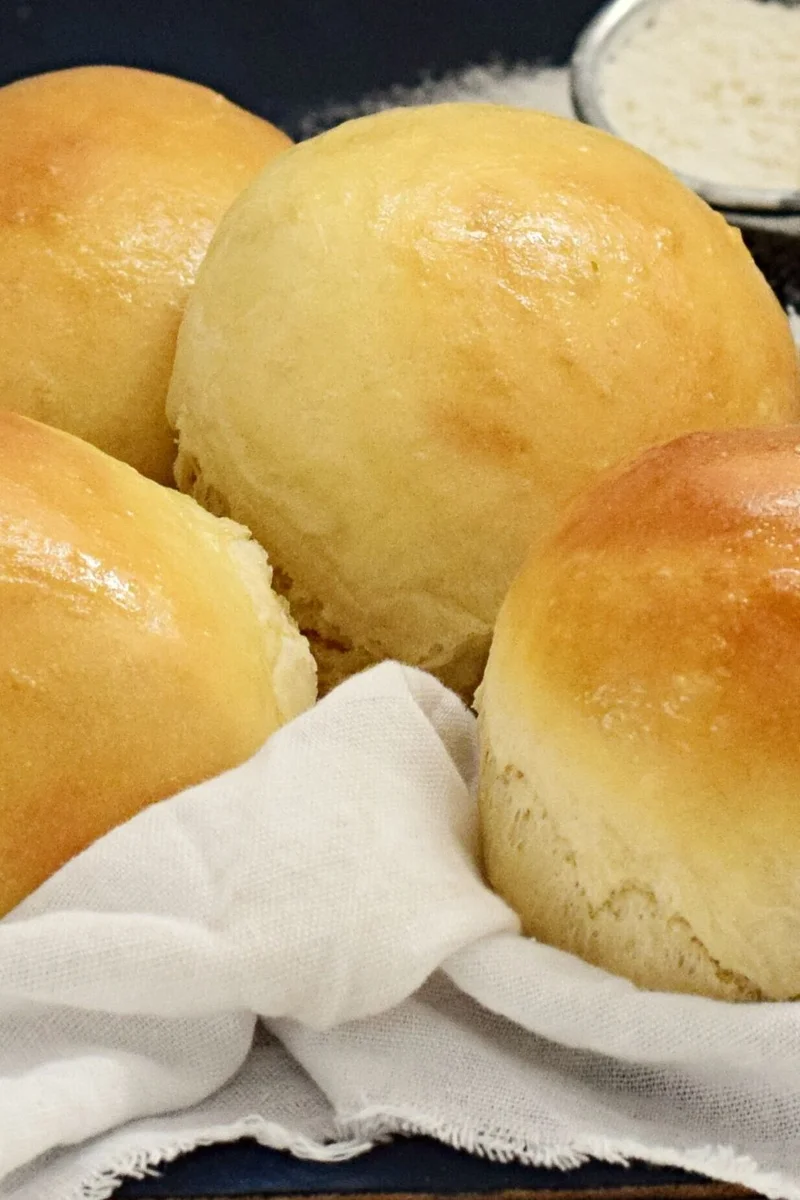
These soft burger buns are tender, buttery rolls with a smooth, pillowy crumb, baked fresh for your next burger night. Their soft dough needs a good knead and a little patience to rise.
Ingredients
- 750 ml + 2 tbsp (3 cups + 2 tbsp)cake wheat flour or plain flour, plus extra only if needed
- 1½ tspinstant dried yeast
- 1 tbspgranulated sugar
- ½ tspsalt
- 50 gsoft butter
- 310 mlwater, slightly warmer than room temperature
- 80 mlmilk, slightly warmer than room temperature
- to tastemelted butter, for brushing
Instructions
- 1
Mix the dough
Put the flour, yeast, sugar and salt in a stand mixer and briefly combine. Add the butter, milk and water, then mix on low speed for 12 minutes. The dough will start very sticky and become less so as it kneads; it should still be soft, but silky and smooth. Add extra flour only if it is impossible to handle.
- 2
Let it rise
Lightly oil your hands and transfer the dough to an oiled bowl. Rub a little oil over the dough, cover the bowl and leave it in a warm place to rise for 1 hour.
- 3
Divide the dough
After the 1-hour rise, divide the dough into 8 equal pieces.
- 4
Proof and preheat
Cover the pieces with cling film and leave them to rise for 30 minutes. Preheat the oven to 170°C.
- 5
Brush and bake
Brush the buns with melted butter, or egg wash if preferred, and bake at 170°C for 16 minutes.
- 6
Brush once more
Take the buns out of the oven and brush them with more melted butter.
What are soft burger buns?
Burger buns are round bread rolls designed to hold a filling while staying easy to bite through. This soft, enriched style uses butter and milk for a tender crumb rather than a crusty, chewy finish.
The recipe makes its softness work through a long, low-speed knead and two rises. Freshly baked, butter-brushed buns are especially suited to burgers served straight away.
Nutrition and macros by portion
The nutrition label shows one serving as written: 230 calories, 7g protein, 39g carbs, 6g fat.
| Portion | Adjustment | kcal | Protein | Carbs | Fat |
|---|---|---|---|---|---|
| Lighter | Use less brushing butter | 161 kcal | 5g | 27g | 4g |
| This serving | As written | 230 kcal | 7g | 39g | 6g |
| Hungry | Make four larger buns | 345 kcal | 10g | 59g | 9g |
Most of each bun’s carbohydrates come from the flour, while the butter contributes much of the fat and the milk and flour provide some protein. The exact macros will vary with how much extra flour or brushing butter you use; add salad or vegetables alongside a burger to round out the plate.
The flour and liquid
Flour choice: Cake wheat flour or plain flour can be used here. Measure it carefully, since adding extra flour too soon can make the buns heavier.
Warm liquids: The water and milk should be slightly warmer than room temperature, not hot. They help bring the dough together while keeping the texture soft.
Kneading a sticky dough
At first, the dough may cling to the bowl and look difficult to work with. Keep the mixer on low for the full 12 minutes; it should become smoother and less sticky as it develops.
Add flour sparingly: The finished dough is meant to remain very soft. Use extra flour only if the dough is genuinely impossible to handle, rather than trying to make it firm.
Shaping and proofing
Even portions: Divide the dough into 8 similarly sized pieces so the buns bake at roughly the same rate. Handle the soft dough with lightly oiled hands.
Second rise: Cover the shaped pieces and leave them for 30 minutes. This gives them time to puff before they go into the oven.
Baking and doneness
Oven temperature: Bake at 170°C for 16 minutes, as directed. The buns should look lightly coloured and feel set on the outside.
Butter finish: Brush the buns with melted butter as soon as they come out of the oven. The recipe calls for another brushing after baking, which gives the tops a soft, buttery finish.
How to serve them
Let the buns cool enough to handle before slicing and filling. Their soft crumb pairs well with burgers and fillings that benefit from a tender roll.
For a balanced plate, serve with salad or vegetables alongside the burger. The buns can also be used for sandwiches or served simply with butter.
Recipe notes & tips
- Use the mixer on low speed throughout the 12-minute knead.
- Oil your hands rather than adding flour while shaping the soft dough.
- Divide the dough into 8 similar portions for more even baking.
- Keep the buns covered during the 30-minute second rise.
- Brush with melted butter right after baking for a soft finish.
Variations
- Egg-wash finish: Brush the buns with egg wash instead of melted butter before baking, as the method suggests.
- Sesame topping: Sprinkle sesame seeds over the brushed buns before baking.
- Seeded tops: Add poppy or mixed seeds before the buns go into the oven.
- Smaller rolls: Divide the dough into more pieces and keep an eye on them as they bake.
- Sandwich buns: Use the baked rolls for filled sandwiches as well as burgers.
Common mistakes to avoid
- Adding too much flour: The dough should stay soft; add extra only if it is impossible to handle.
- Rushing the knead: Mixing for less than 12 minutes may leave the dough less smooth; follow the full kneading time.
- Using hot liquid: Very hot water or milk can affect the yeast; use liquid only slightly warmer than room temperature.
- Skipping the cover: Exposed dough can dry out; cover it during both rises.
- Crowding the portions: Leave space between buns so they have room to rise and bake.
How to store
Once cool, keep the buns in an airtight container at room temperature and use within 2 days. Warm them briefly in the oven or microwave; freeze any extra buns for longer storage and thaw before reheating.
Frequently asked questions
Why is the dough so sticky?
It is meant to start very sticky and become smoother during the 12-minute knead. Add extra flour only if it remains impossible to handle.
Can I use plain flour instead of cake wheat flour?
Yes. The recipe lists cake wheat flour or plain flour as alternatives.
Can I use egg wash instead of butter before baking?
Yes. The method offers egg wash as an alternative to the pre-bake melted butter brushing.
How long do the buns rise?
The first rise is 1 hour in a warm place, followed by a 30-minute rise after dividing the dough.
How do I know when they are done?
Bake them for 16 minutes at 170°C. They should look lightly coloured and feel set on the outside.
Can I freeze the buns?
Yes. Cool them completely, then freeze in a sealed container or bag. Thaw before warming to serve.
Cook it from the original
This recipe comes from tamarindnthyme.com. Their page has the author’s own photos, notes and tips — the best place to cook it from.
Open the recipe on tamarindnthyme.com