
Authentic Pakistani Chai
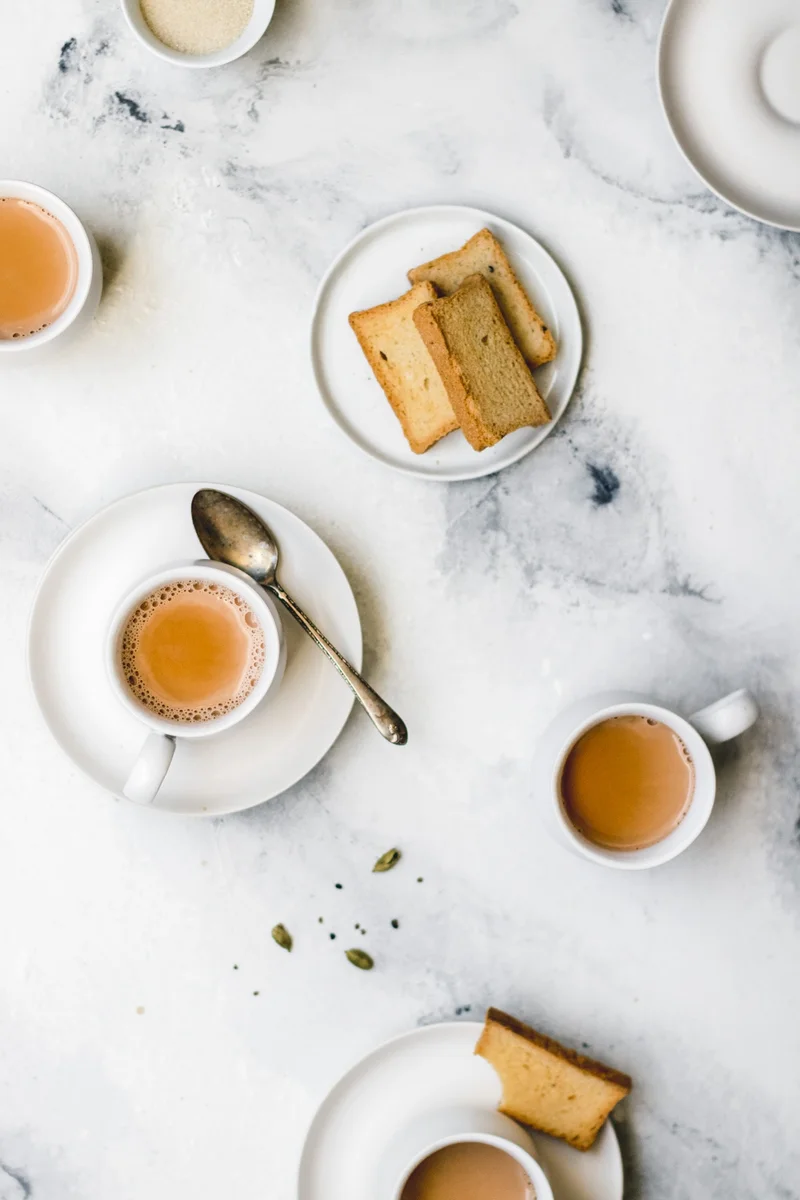
This Pakistani-style chai simmers black tea and cardamom with milk for a warming, gently spiced cup. It comes together in about 10 minutes and can be sweetened to suit your taste.
Ingredients
- 300 ml (1¼ cups)water
- 240 ml (1 cup)whole milk or 2% reduced-fat milk
- 1½ tsp, or more to tasteloose tea leaves or a tea bag
- 1–2 pods, slightly broken, or a pinch of powder; optionalcardamom
- to tastesweetener, such as sugar or honey
Instructions
- 1
Simmer the tea
Bring the water to a boil in a saucepan over high heat. Add the tea leaves or tea bag and cardamom, reduce the heat to medium, and simmer gently for 1–2 minutes.
- 2
Add the milk
Pour in the milk and turn the heat back up to high, or let the milk come to a simmer gradually.
- 3
Develop the flavour
As the chai starts to boil and rise in the pan, take it off the heat before it reaches the rim. Repeat this a few times, using a ladle to scoop up the chai and pour it back into the pan. Alternatively, once it boils, lower the heat and simmer for about 3–5 minutes, until it is as strong as you like.
- 4
Strain and sweeten
Pour the chai through a small sieve into cups. Sweeten with sugar or honey to taste.
What is Pakistani chai?
Chai means tea, and in Pakistani and Indian homes it often refers to tea brewed with milk rather than a coffee-shop-style chai latte. The exact blend and strength vary from kitchen to kitchen.
This version combines black tea with cardamom and milk, then lets you choose how sweet and strong to make each cup.
Nutrition and macros by portion
The nutrition label shows one serving as written: 75 calories, 4g protein, 6g carbs, 4g fat.
| Portion | Adjustment | kcal | Protein | Carbs | Fat |
|---|---|---|---|---|---|
| Lighter | Use 2% milk | 53 kcal | 3g | 4g | 3g |
| This serving | As written | 75 kcal | 4g | 6g | 4g |
| Hungry | Serve with a snack | 113 kcal | 6g | 9g | 6g |
The milk provides most of the protein and fat, while the milk and any added sweetener contribute carbohydrates. Pair a cup with fruit or a filling snack if you want it to be part of a more substantial breakfast or break.
Choosing the tea and milk
Tea leaves: Loose black tea gives the brew its colour and tannic backbone; a tea bag works as an alternative. Add more tea if you prefer a stronger cup.
Milk: Whole milk makes a richer, creamier chai, while 2% reduced-fat milk produces a lighter texture.
Getting cardamom into the brew
Cracked pods: Slightly break the cardamom pods before adding them so their aroma can infuse into the water. Remove the pods along with the tea when you strain the chai.
Ground cardamom: A pinch of powder is a convenient alternative, though it may leave a little spice in the finished cup.
Managing the rise
Watch the pan closely when the milk heats up: chai can rise quickly as it approaches a boil. Lift the saucepan off the heat before the liquid reaches the rim, then return it as needed.
The repeated lifting and ladling helps mix the brew, but it is optional; a gentle simmer for 3–5 minutes is another way to bring the tea to your preferred strength.
Finding the right strength
Short simmer: After adding the milk, simmering for around 3 minutes gives the tea less time to intensify. Keep an eye on it and taste if you are unsure.
Longer simmer: Go towards 5 minutes for a stronger brew, keeping the heat low enough to avoid a boil-over.
Serving the chai
Strain the tea into cups while it is hot, then add sugar or honey to taste. Serve it on its own or alongside a savoury snack or a lightly sweet biscuit.
Recipe notes & tips
- Slightly crack the cardamom pods to help release their aroma.
- Keep the saucepan within reach while heating the milk, as the chai can rise fast.
- Use a small sieve to catch tea leaves and cardamom before serving.
- Add sweetener in the cup so each serving can be adjusted individually.
- Simmer towards the longer end of the suggested time for a stronger brew.
Variations
- Use a tea bag: Swap it for the loose leaves and strain the chai before serving.
- Make it richer: Choose whole milk for a creamier cup.
- Choose a lighter milk: Use 2% reduced-fat milk instead.
- Adjust the cardamom: Use a pinch of ground cardamom in place of the pods.
- Change the sweetener: Stir in sugar or honey to taste.
Common mistakes to avoid
- Letting the chai boil over: Lift the saucepan from the heat as soon as the liquid rises towards the rim.
- Adding cardamom without cracking the pods: Break them slightly first to help their flavour infuse.
- Simmering longer than you prefer: Taste or watch the timing and stop when the chai reaches your desired strength.
- Serving without straining: Pour the brew through a small sieve to remove loose tea and pods.
- Sweetening the whole pan too soon: Add sugar or honey to each cup so the sweetness is easier to control.
How to store
Chai is best served freshly brewed. If needed, refrigerate leftovers promptly in a covered container and use within 2 days; reheat gently in a saucepan, without letting it boil over.
Frequently asked questions
Can I use a tea bag instead of loose tea?
Yes. The method allows for either tea leaves or a tea bag; strain the chai before serving.
How long should I simmer the chai?
For the alternative simmering method, cook it for about 3–5 minutes after it comes to a boil, depending on how strong you like it.
Why does the chai rise in the pan?
As the milk heats towards a boil, the chai can foam and rise. Watch closely and lift the pan off the heat before it reaches the rim.
Can I make this chai without cardamom?
Yes. Cardamom is optional in this recipe, so you can leave it out.
Can I make the chai sweeter?
Add sugar or honey to taste after straining. Adjust each cup separately if people prefer different levels of sweetness.
Cook it from the original
This recipe comes from teaforturmeric.com. Their page has the author’s own photos, notes and tips — the best place to cook it from.
Open the recipe on teaforturmeric.com