
Easy Cinnamon Rolls with Caramel Icing
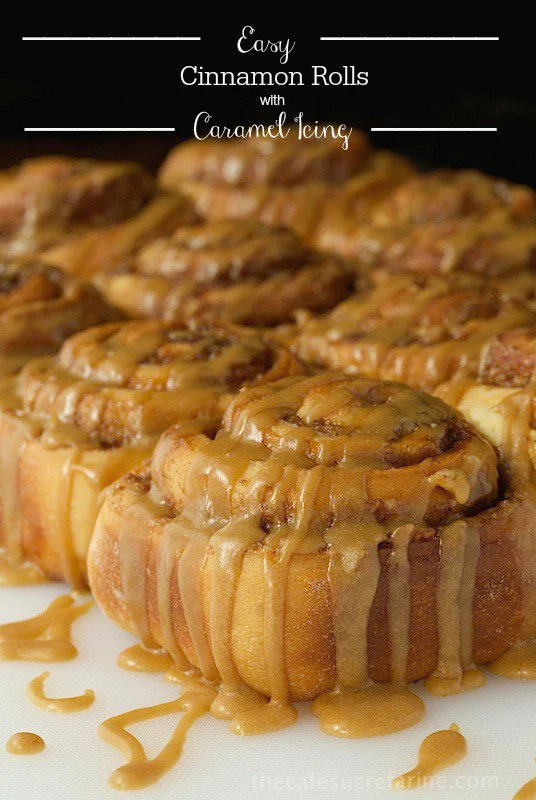
These soft cinnamon rolls are filled with brown sugar, walnuts and spice, then finished with a smooth caramel icing. They make a generous batch for a weekend breakfast or a sweet treat to share.
Ingredients
- 240 ml (1 cup)whole milk
- 57 g (1/4 cup), cut into 4 piecesbutter
- 420 g (3 1/2 cups), dividedplain flour
- 50 g (1/4 cup)sugar
- 1 teaspoonsalt
- 2 1/4 teaspoons (7 g; 1 packet)rapid-rise or instant yeast
- 1 largeegg
- 1 largeegg yolk
- 43 g (3 tablespoons), softenedbutter
- 50 g (1/4 cup), packeddark brown sugar
- 50 g (1/4 cup)white sugar
- 30 g (1/4 cup), finely choppedwalnuts
- 1 tablespoonground cinnamon
- 28 g (2 tablespoons), meltedbutter
- 30 ml (2 tablespoons)milk
- 50 g (1/4 cup)dark brown sugar
- 1/2 teaspoonvanilla extract
- 180 g (1 1/2 cups)icing sugar
Instructions
- 1
Warm the milk
Heat the milk in a microwave-safe bowl on high for 1 1/2 minutes. Add the butter and stir for about a minute, until melted, then set aside.
- 2
Mix dry ingredients
Fit an electric mixer with a dough hook and combine 240 g (2 cups) of the flour with the sugar, yeast and salt.
- 3
Add wet ingredients
Check that the milk mixture is warm but not hot, at 43–49°C (110–120°F). Add it to the mixing bowl and mix until the dry ingredients are incorporated, then add the whole egg and yolk and mix to combine.
- 4
Knead the dough
Add the remaining flour and beat until incorporated. Knead with the dough hook for a further 5 minutes.
- 5
Rest the dough
Turn the dough onto a lightly floured surface and knead it a few times into a ball, coating it with flour. Cover with the inverted mixing bowl and leave to rest for 10 minutes.
- 6
Mix the filling
While the dough rests, stir together the brown sugar, white sugar, walnuts and cinnamon.
- 7
Roll and fill
On a lightly floured surface, roll the dough into a 30 x 36 cm (12 x 14-inch) rectangle. Spread it with the softened butter using a table knife, then scatter the sugar, walnut and cinnamon mixture evenly over the top.
- 8
Prepare the pan
Heat the oven to 190°C (375°F). Spray a 23 x 33 cm (9 x 13-inch) pan with baking spray, then line it with baking paper, leaving extra paper over the long sides for lifting out the rolls. Lightly spray the paper.
- 9
Shape and prove
Starting at a long edge, roll the dough tightly into a log and pinch the seam closed. Use a sharp serrated knife and very light pressure to cut it into 12 equal pieces. Arrange them cut-side up in the prepared pan, spaced evenly, cover with a clean tea towel and leave to rise until doubled, about 25–30 minutes.
- 10
Bake the rolls
Bake for 18 minutes, then cover with foil to prevent excessive browning and bake for another 6–8 minutes, until golden and cooked through in the centre. Remove from the oven and cool for 10 minutes before adding the caramel icing. Serve warm or at room temperature. To freeze, put the unwrapped rolls in the freezer for 1 hour, then wrap tightly in cling film or foil and return them to the freezer.
- 11
Cook the icing
While the rolls bake, put the butter and milk in a medium microwave-safe bowl and cover with a paper towel. Microwave on high for 1 minute, add the brown sugar and stir, then microwave for another minute. Taste a tiny amount to check for graininess; if needed, microwave for a further 30 seconds.
- 12
Finish the icing
Stir in the vanilla and icing sugar until smooth and free of lumps. The icing should be thick but easy to drizzle; add a little more milk if it is too thick, or more icing sugar if it is too thin.
What are cinnamon rolls?
Cinnamon rolls are sweet, enriched dough rolled around a spiced sugar filling, then sliced and baked close together. Versions of this spiral-shaped bake are popular across Northern Europe and North America.
Here, walnuts add crunch and the dark brown sugar icing brings a buttery caramel note. The dough’s short rest and warm rise make the rolls practical to prepare without an overnight prove.
Nutrition and macros by portion
The nutrition label shows one serving as written: 355 calories, 6g protein, 46g carbs, 12g fat.
| Portion | Adjustment | kcal | Protein | Carbs | Fat |
|---|---|---|---|---|---|
| Lighter | Use less icing | 248 kcal | 4g | 32g | 8g |
| This serving | As written | 355 kcal | 6g | 46g | 12g |
| Hungry | Serve two rolls | 533 kcal | 9g | 69g | 18g |
The flour and sugars provide most of the carbohydrates, while butter and walnuts contribute much of the fat; the milk, egg and flour supply some protein. Pair a roll with fruit and plain yoghurt, or serve it alongside a savoury protein, to make a more balanced plate.
The dough ingredients
Warm milk: it should feel quite warm, not hot, before it goes into the flour mixture. Overheated liquid can damage the yeast, so check the temperature if you have a thermometer.
Flour and eggs: the recipe holds back some flour until after the eggs are mixed in, which makes it easier to incorporate the wet ingredients first. The egg and yolk enrich the dough and give it a tender crumb.
Getting the filling in place
Softened butter: spread it in a thin, even layer so the filling adheres across the rectangle. If the butter is very firm, it can tear the dough as you work.
Sugar and walnuts: mix them with the cinnamon before scattering them over the butter. Even coverage helps each slice get a similar balance of sweetness, spice and crunch.
Rolling and cutting
Tight log: roll from a long edge to create a neat spiral, then pinch the seam to help it stay closed. Avoid pulling the dough so firmly that the filling is pushed out.
Gentle cuts: a serrated knife and light pressure help keep the log round. Arrange the slices cut-side up with space between them so they can rise before baking.
Rising and baking cues
Proofing: allow about 25–30 minutes, but use the dough’s appearance as your guide; the pieces should have doubled in size. A cooler room may mean they need longer.
Doneness: the rolls should be golden, and the centre dough should be cooked through. Covering the pan with foil after 18 minutes helps prevent the tops from becoming too dark during the final 6–8 minutes.
Making the caramel icing
Sugar check: after heating the butter, milk and brown sugar, check that the mixture is not grainy before adding the icing sugar. If it is, return it to the microwave for another 30 seconds.
Drizzle consistency: stir until the icing is smooth, then adjust with a little milk or icing sugar if needed. Let the rolls cool for 10 minutes first so the icing stays visible on top rather than disappearing into the hottest dough.
What to serve with them
These rolls are rich and sweet, so serve them with plain yoghurt or fresh fruit for a fresh contrast. Coffee or tea also makes a simple accompaniment.
For brunch, pair one roll with eggs or another savoury dish. The rolls can be served warm or at room temperature, as the recipe directs.
Recipe notes & tips
- Weigh the flour for a more consistent dough, especially when measuring several cups.
- Keep the milk warm rather than hot before adding it to the yeast mixture.
- Use softened, not melted, butter for spreading over the dough.
- Cut the log with light pressure to keep the spirals from flattening.
- Check the centre rolls for doneness before taking the pan out of the oven.
- Adjust the icing gradually with milk or icing sugar to get a drizzleable texture.
Variations
- Extra spice: add a little more cinnamon to the filling.
- Nut-free: leave out the walnuts for a smoother spiral.
- Pecan filling: replace the walnuts with finely chopped pecans.
- Lighter topping: drizzle on less icing or leave some rolls uniced.
- Vanilla finish: add a little extra vanilla to the icing, adjusting its consistency if needed.
Common mistakes to avoid
- Overheating the milk: very hot liquid can harm the yeast; let it cool to 43–49°C (110–120°F).
- Adding all the flour at once: the recipe uses 240 g (2 cups) first, then adds the remainder after the eggs.
- Rolling loosely: a loose log can open during baking; roll it snugly and pinch the seam closed.
- Pressing too hard to cut: force can flatten the spirals; use a serrated knife with a light sawing motion.
- Skipping the foil: the tops may over-brown; cover the pan after the first 18 minutes.
- Icing while piping hot: it may sink into the rolls; let them cool for 10 minutes before drizzling.
How to store
Once cool, store the rolls in an airtight container at room temperature for up to 2 days. Warm individual rolls briefly in the microwave before serving. To freeze, follow the recipe’s method: freeze uncovered for 1 hour, wrap tightly in cling film or foil, then return to the freezer.
Frequently asked questions
Can I make the dough ahead?
The recipe gives a short rest and prove rather than an overnight method. For the best result using these instructions, bake the rolls after they have risen for about 25–30 minutes.
How do I know when the rolls have risen enough?
They should have doubled in size. Check their appearance as well as the time, since the room temperature affects how quickly they rise.
Can I make the icing without a microwave?
The recipe specifies a microwave. If using another method, heat the butter, milk and brown sugar gently in a small pan, stirring until smooth, and take care not to scorch it.
Why is my caramel icing grainy?
The brown sugar may not have dissolved fully. The recipe suggests microwaving the mixture for another 30 seconds if a small taste still feels grainy.
Can I freeze the cinnamon rolls?
Yes. Freeze them uncovered for 1 hour, then wrap tightly in cling film or foil and return them to the freezer.
Can I serve them at room temperature?
Yes. The recipe says to serve them warm or at room temperature.
Cook it from the original
This recipe comes from thecafesucrefarine.com. Their page has the author’s own photos, notes and tips — the best place to cook it from.
Open the recipe on thecafesucrefarine.com