
Cold Sesame Noodles (Easy Vegan Recipe)
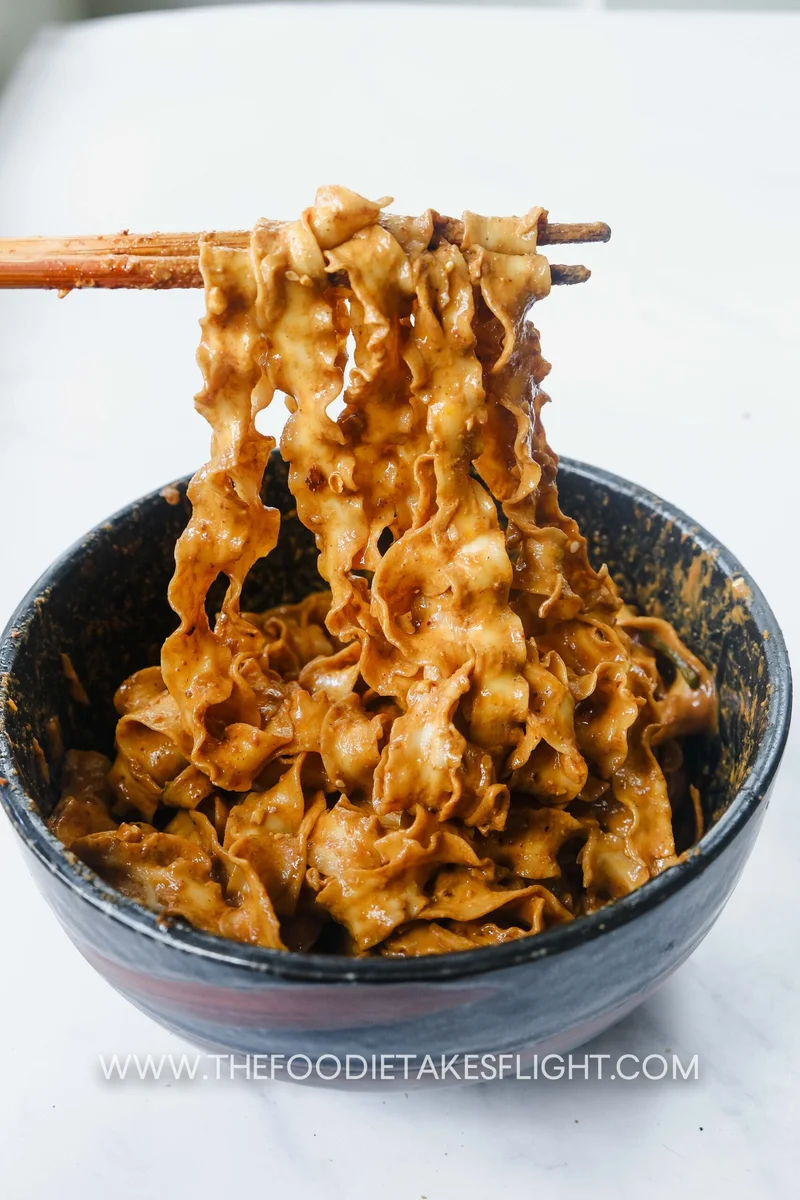
These cold sesame noodles pair chewy wheat noodles with a savoury, tangy sauce and a drizzle of chilli oil. Inspired by Taiwanese sesame noodles and Chinese and Taiwanese flavours, they make a quick, satisfying meal served cold or at room temperature.
Ingredients
- 1½–2 tbspChinese sesame paste
- 1 tbsp, or more to tastesoy sauce
- 2 tspdark mushroom soy sauce
- 2 tbspChinese black vinegar
- 1 tbspsesame oil
- 2 cloves, mincedgarlic
- 1 tbspsugar
- 1 tbsphot water
- 156 g (5.5 oz)dried wheat noodles of choice
- Optionalice cubes
- To tastechilli oil
- To tastechopped nuts
- To tastegreen onions or spring onions
- To tastecucumber rose salad
- To tasteother toppings or protein of choice, such as sliced cucumber
Instructions
- 1
Mix the sauce
In a large bowl, stir together the sesame paste, soy sauces, black vinegar, sesame oil, garlic, sugar and hot water. Adjust the flavour and consistency to suit your taste, bearing in mind that the sauce will thicken a little when mixed with cold noodles. Set aside.
- 2
Cook the noodles
Boil the noodles until very chewy or al dente. Slightly undercook them if you prefer, as residual heat will continue cooking them after the hob is off.
- 3
Rinse them cold
Drain the noodles and rinse under cold running water to stop the cooking.
- 4
Chill if desired
If you like, put the noodles in a strainer and add ice cubes to cool them further. Drain off excess water, then transfer the noodles to a large bowl.
- 5
Coat in sauce
Pour the sauce over the noodles and mix well. A little water or melted ice clinging to the noodles helps keep the sauce from making them too dry.
- 6
Add the toppings
Add chilli oil, chopped nuts, green onions and any other toppings or protein you like. Sliced cucumber or radish adds crunch and freshness. Mix until the noodles are well coated, then serve.
- 7
Store the leftovers
The noodles can be kept overnight in the refrigerator and are especially good cold. The sauce thickens as it chills, so before serving, mix in a splash of black vinegar or a drizzle of sesame oil to loosen and coat the noodles.
What are cold sesame noodles?
Cold sesame noodles are wheat noodles served chilled or cool, dressed in a savoury sesame-based sauce. This version takes inspiration from Taiwanese sesame noodles and from a restaurant bowl described as having a numbing chilli oil.
The combination of sesame paste, soy, black vinegar and chilli oil gives the dish richness with a tangy, spicy edge. Rinsing the noodles cold keeps them pleasantly chewy and makes this a quick meal for warm days or whenever you want something hearty without a long cook.
Nutrition and macros by portion
The nutrition label shows one serving as written: 436 calories, 15g protein, 69g carbs, 14g fat.
| Portion | Adjustment | kcal | Protein | Carbs | Fat |
|---|---|---|---|---|---|
| Lighter | Use less sesame paste | 305 kcal | 11g | 48g | 10g |
| This serving | As written | 436 kcal | 15g | 69g | 14g |
| Hungry | Add more noodles | 654 kcal | 23g | 104g | 21g |
The noodles provide most of the carbohydrates, while sesame paste and sesame oil contribute much of the fat. Wheat noodles and the chosen toppings or protein contribute protein, with the exact amount depending on what you add. For a more balanced plate, serve with the suggested cucumber salad or add sliced cucumber for freshness.
Choosing the noodles
Noodle shape: The recipe uses dried wheat noodles, with knife-cut noodles as one option. Choose a type that stays springy after boiling and has enough surface for the sauce to cling to.
Doneness: Aim for very chewy or al dente, and err slightly on the firm side. The noodles keep cooking briefly from residual heat before the cold rinse stops the process.
Building the sesame sauce
Sesame paste: Chinese sesame paste brings the main roasted, nutty character and much of the sauce’s richness. Start with 1½ tablespoons and add up to 2 tablespoons for a stronger sesame flavour.
Seasoning: Soy sauces provide savouriness, while black vinegar brings a sharp, rounded tang. Garlic, sugar and sesame oil fill out the flavour; taste and adjust the soy sauce as needed.
Getting the texture right
Cold rinse: Rinse the drained noodles under running cold water to halt the cooking and cool them down. For a colder finish, chill them briefly over ice, then drain well.
Sauce coating: A little moisture left on the noodles helps the thick sesame sauce spread evenly. Drain away excess water, but do not leave the noodles completely dry before mixing.
Balancing chilli and crunch
Chilli oil: Add it to taste after coating the noodles, so you can control the heat and let its aroma stand out. Chopped nuts and green onions provide contrast against the smooth sauce.
Freshness: Sliced cucumber or radish adds a crisp, cool bite. The suggested cucumber rose salad is another way to serve something refreshing alongside the rich noodles.
Serving and timing
Quick finish: Once the noodles are cooked and rinsed, the meal comes together by tossing them with the prepared sauce and toppings. Have the garnishes ready before you drain the noodles so they can be served promptly.
Make ahead: The dish can be refrigerated overnight, and the chilled noodles are enjoyable straight from the fridge. Expect the sauce to thicken as it rests; a little black vinegar or sesame oil helps loosen it before serving.
Recipe notes & tips
- Taste the sauce before adding it to the noodles and adjust the soy sauce to your preference.
- Keep the noodles slightly firm, since they continue to soften briefly from residual heat.
- Rinse thoroughly under cold running water to stop the cooking.
- Drain the noodles well after using ice so excess water does not dilute the sauce.
- Add chilli oil gradually, tasting as you go.
- If the refrigerated sauce has thickened, mix in a splash of black vinegar or a drizzle of sesame oil.
Variations
- Extra sesame: Use the full 2 tablespoons of sesame paste for a richer sesame flavour.
- Cool crunch: Add sliced cucumber or radish just before serving.
- More heat: Drizzle on extra chilli oil to taste.
- Nutty topping: Scatter chopped nuts over the dressed noodles for added crunch.
- Add protein: Serve with a protein of your choice, as suggested in the recipe.
- Side salad: Pair with cucumber rose salad for a fresh contrast.
Common mistakes to avoid
- Overcooking the noodles: They can keep softening from residual heat, so stop at a very chewy or al dente texture.
- Skipping the cold rinse: Rinse under cold running water to halt cooking and cool the noodles.
- Leaving excess water: Drain well after rinsing or chilling so the sauce is not diluted.
- Making the sauce too thick: Leave a little moisture on the noodles to help it coat them evenly.
- Adding all the chilli oil at once: Start with a little and adjust to your preferred heat.
- Serving straight from the fridge without adjusting: The sauce thickens as it chills, so loosen it with black vinegar or sesame oil.
How to store
Keep leftover noodles covered in the refrigerator and enjoy them cold, ideally within a day. The sauce thickens overnight; before serving, mix in a splash of black vinegar or a drizzle of sesame oil. The recipe does not specify reheating.
Frequently asked questions
Can I use a different type of noodle?
Yes. The recipe allows for dried wheat noodles of choice; choose a variety that stays chewy when cooked and rinsed.
How cold should the noodles be?
Rinsing them under cold running water is enough to stop the cooking. For a colder bowl, use the optional ice cubes and drain away any excess water.
Can I make these noodles ahead?
Yes, they can be kept overnight in the refrigerator and are good cold. The sauce will thicken, so mix in a splash of black vinegar or a drizzle of sesame oil before serving.
How can I adjust the sesame flavour?
Use 1½ tablespoons of sesame paste for a gentler flavour or up to 2 tablespoons for more sesame richness.
What can I serve with cold sesame noodles?
Cucumber rose salad is suggested as a fresh accompaniment. Sliced cucumber or radish can also be added for a crisp, refreshing bite.
How do I make the sauce less thick?
The recipe suggests mixing in a splash of black vinegar or a drizzle of sesame oil, particularly after refrigeration, when the sauce thickens.
Cook it from the original
This recipe comes from thefoodietakesflight.com. Their page has the author’s own photos, notes and tips — the best place to cook it from.
Open the recipe on thefoodietakesflight.com