
Spicy Harissa Roasted Pork Tenderloin Recipe
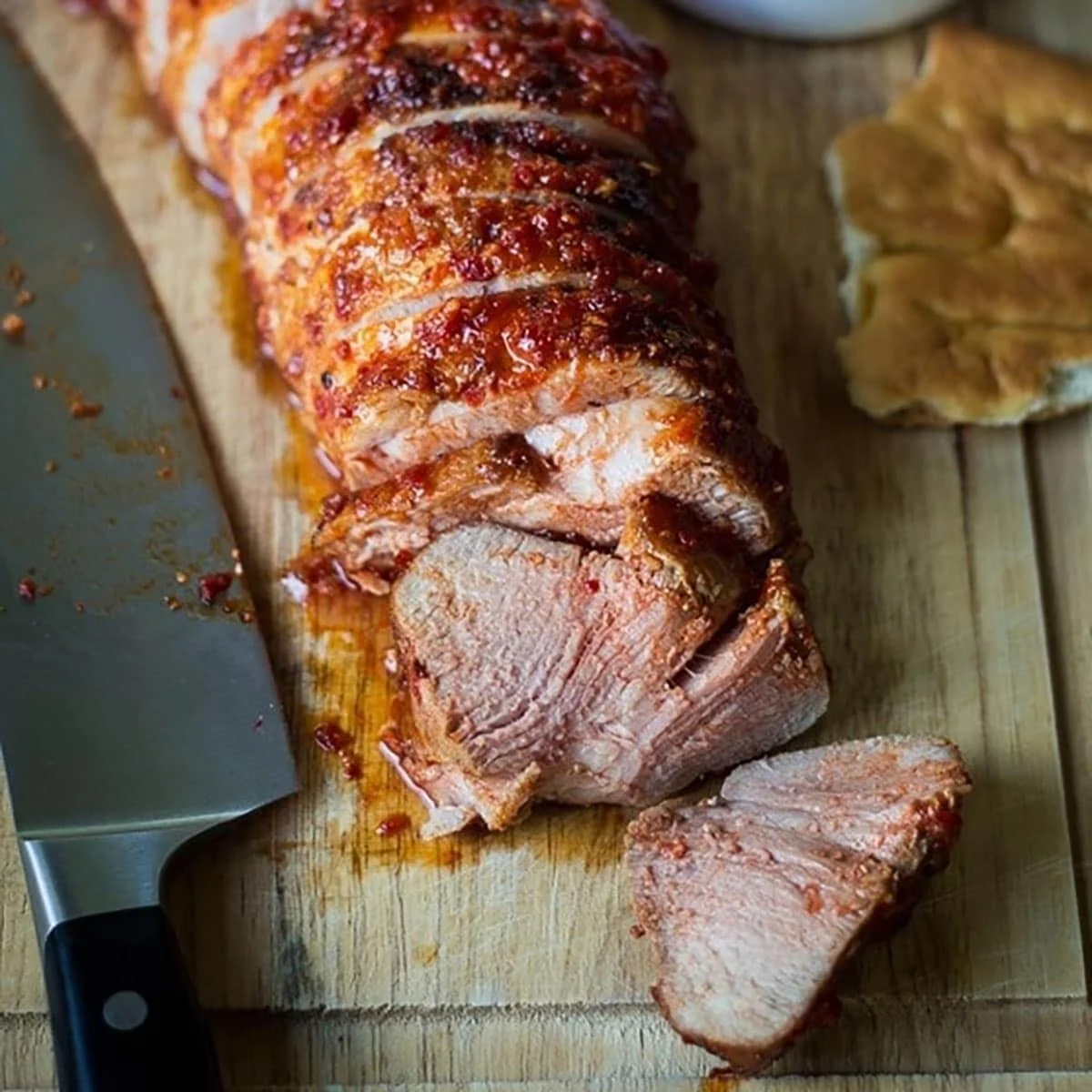
Pork tenderloin is seasoned, browned in a pan and roasted with a spicy harissa-style glaze, then served with cool mint yoghurt. It makes a colourful centrepiece for a quick dinner, with a simple salad alongside.
Ingredients
- 5 ml (1 teaspoon)salt
- 2.5 ml (1/2 teaspoon)ground coriander
- 5 ml (1 teaspoon)ground cumin
- 454 g (1 pound)pork tenderloin
- 15 ml (1 tablespoon)extra virgin olive oil
- 2peeled garlic cloves
- 30 ml (2 tablespoons)extra virgin olive oil
- 30 ml (2 tablespoons)freshly squeezed lemon juice
- 15 ml (1 tablespoon)ground fresh chilli paste
- 60 ml (1/4 cup)roasted red peppers from a jar
- 12.5 g (1 tablespoon)brown sugar
- 1pressed garlic clove
- 15 ml (1 tablespoon)minced fresh mint leaves
- 15 ml (1 tablespoon)freshly squeezed lemon juice
- 240 ml (1 cup)plain Greek yoghurt, 2% or full fat
- 5 ml (1 teaspoon)extra virgin olive oil
Instructions
- 1
Season the pork
Heat the oven to 218°C (425°F). Mix the salt, coriander and cumin in a small bowl, then sprinkle the mixture evenly over the pork tenderloin.
- 2
Brown the tenderloin
Heat 15 ml (1 tablespoon) of extra virgin olive oil in a large frying pan over medium-high heat. When the oil shimmers, add the pork and cook for 6 minutes, turning it to brown every side.
- 3
Glaze and roast
Move the pork from the pan to the rack of a roasting tin and brush all sides with the harissa glaze. Roast for 15–20 minutes, until a thermometer inserted into the meat reads 63°C (145°F).
- 4
Rest and serve
Take the tenderloin out of the oven and leave it to rest for 5 minutes. Slice it across the grain and serve with the mint yoghurt sauce; it can also be paired with a generous portion of fattoush salad.
What is harissa-roasted pork tenderloin?
Harissa is a chilli-based seasoning associated with North African cooking, often bringing heat and fragrant spice. This recipe uses a harissa-style glaze on pork tenderloin, with mint yoghurt to temper its warmth.
The method combines a quick pan sear with oven roasting. Browning first builds colour, while the tenderloin’s relatively lean, even shape makes it suitable for a short roast.
Nutrition and macros by portion
The nutrition label shows one serving as written: 703 calories, 99g protein, 8g carbs, 28g fat.
| Portion | Adjustment | kcal | Protein | Carbs | Fat |
|---|---|---|---|---|---|
| Lighter | Use 2% yoghurt | 492 kcal | 69g | 6g | 20g |
| This serving | As written | 703 kcal | 99g | 8g | 28g |
| Hungry | Add a larger portion | 1055 kcal | 149g | 12g | 42g |
The pork supplies most of the protein, while the olive oil and full-fat yoghurt contribute much of the fat. The small amount of brown sugar and the yoghurt account for some carbohydrates; serve with salad or vegetables for a more balanced plate.
The spice rub and glaze
Spice rub: Salt, ground coriander and cumin season the pork before it goes into the pan. Spread them evenly so the seasoning is not concentrated in one area.
Glaze: The listed chilli paste, roasted peppers, garlic, lemon, oil and brown sugar provide the components for the harissa glaze. The supplied method does not specify how to combine them, so follow the glaze preparation instructions from the original recipe if available.
Getting a good sear
Give the pan time to heat and wait until the oil is shimmering before adding the pork. Turn the tenderloin during the 6-minute sear so it browns around its sides.
Avoid moving it constantly; brief contact with the hot pan helps develop colour. Use tongs to turn it without piercing the meat.
Checking when it is done
The recipe calls for roasting for 15–20 minutes, but the thermometer reading is the more useful doneness cue. Check the centre of the thickest part and look for 63°C (145°F).
Rest the pork for 5 minutes before slicing. This also gives you time to bring the yoghurt sauce and any sides to the table.
Mint yoghurt on the side
The yoghurt sauce pairs cool, creamy texture with mint and lemon, offering a contrast to the chilli glaze. Keep it ready to serve alongside the sliced pork.
The ingredient list includes mint, lemon, garlic, yoghurt and olive oil for the sauce, though the supplied method does not give separate mixing instructions.
Serving ideas
Fattoush salad is the suggested accompaniment, adding fresh vegetables and a tangy note to the meal. Serve the pork in slices so the glaze and sauce are easy to share.
For a more substantial plate, add a grain or bread alongside the salad. Keep extra sauce at the table for anyone who wants more.
Recipe notes & tips
- Pat the tenderloin dry before seasoning to help it brown in the pan.
- Turn the pork with tongs so each side gets time against the hot pan.
- Use a meat thermometer to check the thickest part rather than relying only on the roasting time.
- Let the pork rest for the full 5 minutes before cutting it.
- Slice across the tenderloin into even pieces for serving.
- Keep the mint yoghurt separate until serving so it stays cool and fresh.
Variations
- Adjust the heat: Use less chilli paste for a milder glaze.
- Add more mint: Increase the fresh mint in the yoghurt for a brighter flavour.
- Change the herbs: Try fresh coriander in place of some of the mint.
- Serve with flatbread: Add warm bread to make the meal more filling.
- Use a salad side: Pair the pork with fattoush as suggested in the recipe.
Common mistakes to avoid
- Starting with a cool pan: Wait until the oil shimmers before adding the pork so it can brown.
- Skipping the turning: Rotate the tenderloin during the 6-minute sear to colour all sides.
- Guessing doneness by time: Check for 63°C (145°F) at the thickest point.
- Cutting straight away: Rest the pork for 5 minutes before slicing.
- Slicing with the grain: Cut across the tenderloin for more tender-looking slices.
How to store
Refrigerate leftover pork and sauce separately in covered containers and use within 3 days. Reheat the pork gently until hot, taking care not to overcook it, and serve the yoghurt sauce cold.
Frequently asked questions
Can I make the pork less spicy?
Use less chilli paste in the glaze. The mint yoghurt also provides a cooling contrast when served with the pork.
How do I know the pork is cooked?
Check the centre of the thickest part with a thermometer; the recipe specifies 63°C (145°F).
Can I prepare the yoghurt sauce ahead?
Yes. It can be prepared in advance and kept covered in the fridge until serving.
Why does the pork need to rest?
Resting for 5 minutes gives the meat time to settle before slicing and serving.
What can I serve with it?
The recipe suggests fattoush salad. Bread, vegetables or a grain can also make the meal more substantial.
Cook it from the original
This recipe comes from thewanderlustkitchen.com. Their page has the author’s own photos, notes and tips — the best place to cook it from.
Open the recipe on thewanderlustkitchen.com