
Easy South African Malva Pudding Recipe
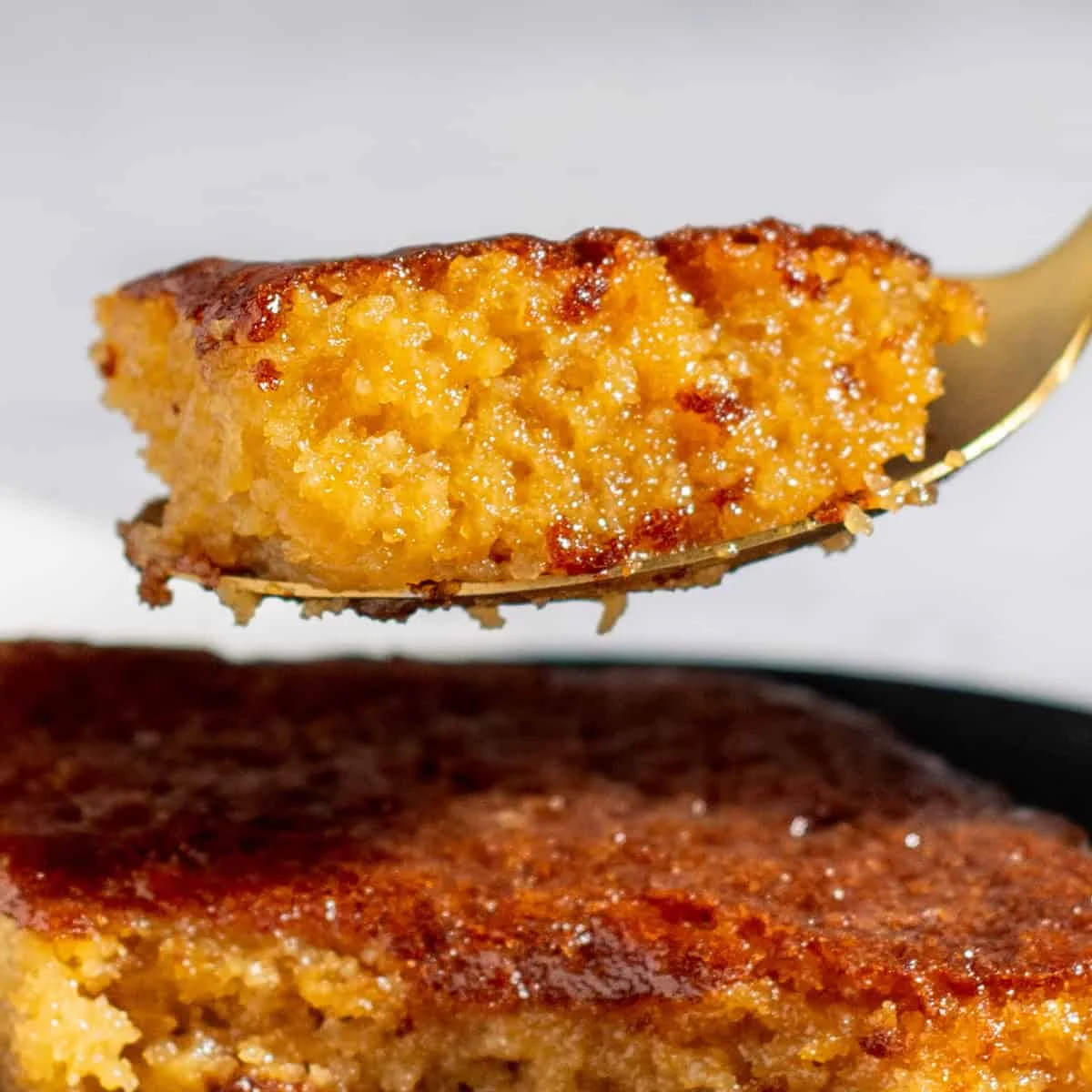
South African malva pudding is a soft, sweet sponge enriched with apricot jam and soaked in a warm, buttery cream sauce. This straightforward version is baked in one dish and served warm with custard, cream or ice cream.
Ingredients
- 5 ml (1 teaspoon)white vinegar, such as white wine or cider vinegar
- 180 ml (¾ US cup)milk
- 2 largeeggs, at room temperature
- 150 g (5.3 oz)white sugar
- 90 g (3.2 oz)butter, softened; salted or unsalted
- 100 g (3.5 oz)fine apricot jam
- 120 g (4.25 oz)plain flour
- 5 ml (1 teaspoon)bicarbonate of soda
- 2.5 ml (½ teaspoon)salt
- 120 ml (½ US cup)double cream, or single or whipping cream
- 120 ml (½ US cup)evaporated milk
- 100 g (3.5 oz)butter, salted or unsalted
- 60 ml (4 tablespoons)brown sugar
- 60 ml (4 tablespoons)white sugar
- 5 ml (1 teaspoon)vanilla extract
Instructions
- 1
Heat the oven
Preheat the oven to 180°C (350°F).
- 2
Prepare the dish
Lightly grease a medium baking dish, about 24 × 18 × 5 cm (9 × 7 × 2 inches), with butter or cooking spray.
- 3
Sour the milk
Stir the vinegar into the milk and leave it for a few minutes.
- 4
Mix the wet ingredients
Put the eggs, white sugar, softened butter and apricot jam in a large mixing bowl. Beat on high with an electric hand mixer for about 3 minutes, until light and creamy, with no obvious lumps of butter. Add the vinegar and milk mixture and beat until combined; it may look loose.
- 5
Combine the batter
Sift the plain flour, bicarbonate of soda and salt together in a separate bowl. Add them to the wet mixture and beat on the lowest speed just until no dry flour is visible. Avoid overmixing.
- 6
Bake the pudding
Pour the batter into the prepared dish and bake for 25–30 minutes. It is ready when a skewer comes out clean, the centre feels firm and the edges are just beginning to pull away from the dish.
- 7
Warm the sauce
About 10 minutes before the pudding is done, put the cream, evaporated milk, butter, brown sugar, white sugar and vanilla in a saucepan. Heat over medium, stirring occasionally, until the butter melts and the sugar dissolves. The sauce should be hot and pourable but need not boil; take it off the heat.
- 8
Soak the pudding
As soon as the pudding comes out of the oven, prick holes all over its surface with a cake tester, skewer or the tip of a sharp knife. Slowly pour the hot sauce evenly over it. If the dish is quite full, add half the sauce, wait a minute, then pour on the rest. Leave the pudding to stand for 10–15 minutes before serving warm with custard, vanilla ice cream, pouring cream or lightly whipped cream.
What is malva pudding?
Malva pudding is a South African baked dessert, usually served warm with a sweet sauce and a creamy accompaniment. Its sponge is tender and rich, with apricot jam giving it a characteristic fruity note.
Jam and a simple milk-and-vinegar mixture help make this version moist, while pouring hot butter-and-cream sauce over the freshly baked sponge lets it soak in before serving.
Nutrition and macros by portion
The nutrition label shows one serving as written: 637 calories, 7g protein, 71g carbs, 37g fat.
| Portion | Adjustment | kcal | Protein | Carbs | Fat |
|---|---|---|---|---|---|
| Lighter | Use single cream | 446 kcal | 5g | 50g | 26g |
| This serving | As written | 637 kcal | 7g | 71g | 37g |
| Hungry | Serve a larger portion | 956 kcal | 11g | 107g | 56g |
The flour and sugars provide most of the carbohydrates, while butter and cream contribute much of the fat. Eggs and milk add some protein, though this is primarily a dessert rather than a protein-focused dish; balance a serving with fruit or follow it with a meal built around vegetables and a protein source.
The ingredients that matter
Apricot jam: Fine jam blends smoothly into the batter and brings sweetness and a gentle fruit flavour. Use a smooth variety if you want an even texture.
Milk and vinegar: Stirring these together and leaving them briefly gives the milk time to sour before it goes into the batter.
Sauce dairy: Cream, evaporated milk and butter make a rich, pourable sauce. The recipe allows single or whipping cream in place of double cream.
Mixing a tender sponge
Creaming: Beat the eggs, sugar, softened butter and jam until the mixture looks light and creamy, about 3 minutes. Room-temperature eggs help them mix readily into the other ingredients.
Flour: Once the sifted dry ingredients go in, use the lowest mixer speed and stop as soon as the flour disappears. Mixing for longer can make the sponge less tender.
When the pudding is done
Skewer: Test the centre after 25 minutes; a clean skewer is a useful sign that the sponge has baked through.
Surface: The centre should feel firm to a light touch, and the edges should just be starting to pull away from the dish. If it needs more time, continue baking and check again.
Getting the sauce to soak in
Heat: Start the sauce about 10 minutes before the pudding is expected to finish. Stir occasionally and take it off the heat once the butter has melted and the sugar has dissolved; there is no need to boil it.
Pour: Prick holes across the hot sponge as soon as it leaves the oven, then add the sauce slowly and evenly. If the dish is nearly full, pour in two batches with a minute between them.
Timing and serving
The sponge takes 25–30 minutes in the oven, followed by a 10–15 minute rest for the sauce to soak in. Prepare the sauce towards the end of baking so it is hot when the pudding comes out.
Serve it warm with custard, vanilla ice cream, pouring cream or lightly whipped cream. A tart fruit accompaniment can also offset the pudding's sweetness.
Recipe notes & tips
- Bring the eggs to room temperature before mixing so they combine readily with the butter and sugar.
- Sift the flour, bicarbonate of soda and salt together to distribute the raising agent evenly.
- Scrape down the bowl if needed while beating the wet ingredients, so the butter and jam are incorporated.
- Use a dish close to the suggested size so the batter bakes to a similar depth.
- Pour the sauce over the sponge while both are hot to help it soak in.
- Let the pudding rest for 10–15 minutes before serving so the sauce has time to settle through it.
Variations
- Single cream: Use single cream instead of double cream for a less rich sauce.
- Cider vinegar: Choose cider vinegar instead of white wine vinegar to sour the milk.
- Unsalted butter: Use unsalted butter in either part of the recipe if you prefer to control the saltiness.
- Custard topping: Serve with warm custard instead of ice cream or pouring cream.
- Whipped cream: Add lightly whipped cream at the table for a soft, cool contrast.
Common mistakes to avoid
- Overmixing the flour: Stop as soon as no dry flour remains to help keep the sponge tender.
- Cold eggs: Bring them to room temperature so they blend more smoothly into the mixture.
- Boiling the sauce: Heat it only until the butter melts and sugar dissolves; it should be hot and pourable, not boiling.
- Skipping the holes: Prick the sponge across the surface so the sauce can seep into it.
- Pouring too quickly: Add the sauce slowly and in two batches if the dish is nearly full.
- Serving straight away: Leave the pudding for 10–15 minutes so the sauce can soak in.
How to store
Cover and refrigerate leftover pudding once cool, and eat within 3 days. Reheat individual portions gently in the microwave or warm the covered dish in a low oven until heated through.
Frequently asked questions
Can I use single cream instead of double cream?
Yes. The recipe allows single or whipping cream in the sauce as alternatives to double cream.
How do I know when the sponge is baked?
A skewer inserted into the centre should come out clean, the centre should feel firm and the edges should just begin to pull away from the dish.
Does the sauce need to boil?
No. Heat it until the butter has melted and the sugar has dissolved; it should be hot enough to pour.
Why do I prick holes in the pudding?
The holes give the hot sauce paths into the sponge. Prick the surface as soon as the dish comes out of the oven.
Can I make the sauce ahead?
The method makes it just before the pudding is ready so it can be poured on hot. If prepared ahead, warm it again until pourable before adding it to the fresh-from-the-oven pudding.
What should I serve with malva pudding?
Serve it warm with custard, vanilla ice cream, pouring cream or lightly whipped cream.
Cook it from the original
This recipe comes from thecinnamonjar.com. Their page has the author’s own photos, notes and tips — the best place to cook it from.
Open the recipe on thecinnamonjar.com