
Easy Paneer Recipe
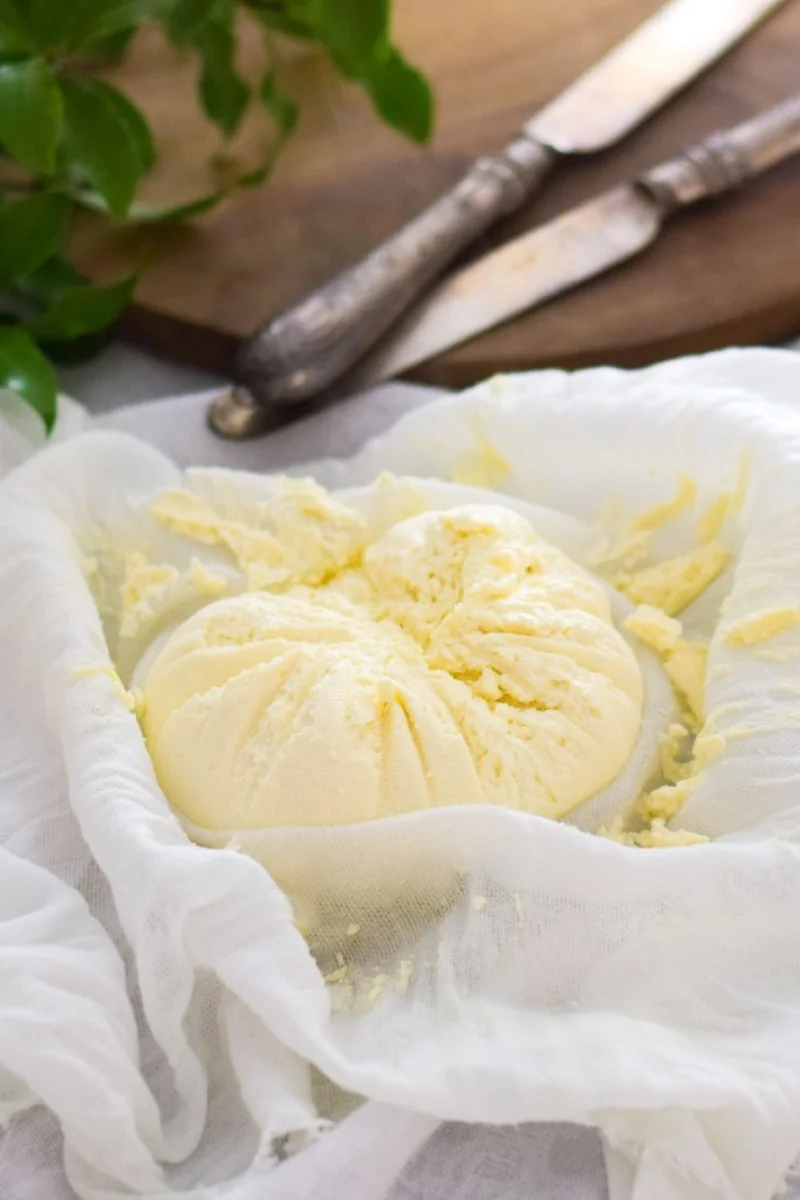
This homemade paneer is made by curdling full-cream milk with white vinegar, then draining and pressing the curds into a block. It is a straightforward way to prepare fresh Indian cheese for curries, skewers or snacks.
Ingredients
- 2 litres (8 cups)full-cream milk
- 120 ml (½ cup), optionalfresh cream
- 60 ml (¼ cup), as neededwhite vinegar
Instructions
- 1
Heat the milk
Put the milk and fresh cream, if using, in a large pot. Bring them to a gentle boil over low to medium heat.
- 2
Stir regularly
Watch the pot closely and stir the milk regularly to help stop it burning or boiling over.
- 3
Curdle the milk
As the milk reaches boiling point, take it off the heat. Add the vinegar 1 tablespoon at a time, stirring until chunky curds form; you may not need all of it. If it has not separated after about 3 tablespoons, return the pot to low heat and stir in the remaining vinegar as needed. Take it off the heat as soon as the whey is yellow and no longer milky.
- 4
Strain the curds
Line a sieve with cheesecloth or muslin, then pour in the curds and whey. Rinse the curds with cold water to cool them.
- 5
Shape the paneer
Squeeze out excess water with your hands. Wrap the cloth neatly around the paneer and shape it into a block.
- 6
Press and chill
Set something heavy on top and press for about 10 minutes, until the liquid has drained. Leave the weight in place for at least an hour; refrigerate the paneer for an hour too if you want it a little firmer.
- 7
Cut into cubes
Cut the paneer into small cubes. The recipe makes about 2 cups of cubed cheese; use it straight away or freeze it for later.
What is paneer?
Paneer is a fresh Indian cheese made by separating milk into curds and whey with an acid. Unlike many aged cheeses, it is used fresh and is often cut into pieces for savoury dishes.
This version uses white vinegar to curdle the milk and optionally adds cream for richness. The key is to stop heating as soon as the whey separates, then press the curds into a sliceable block.
Nutrition and macros by portion
The nutrition label shows one serving as written: 390 calories, 17g protein, 7g carbs, 33g fat.
| Portion | Adjustment | kcal | Protein | Carbs | Fat |
|---|---|---|---|---|---|
| Lighter | Skip the fresh cream | 273 kcal | 12g | 5g | 23g |
| This serving | As written | 390 kcal | 17g | 7g | 33g |
| Hungry | Serve a larger portion | 585 kcal | 26g | 11g | 50g |
The milk and optional cream supply most of the fat and protein; the milk also contributes the starting carbohydrate, much of which drains away with the whey. Pair a portion with vegetables and rice or flatbread for a more balanced plate.
The milk and cream
Full-cream milk: its fat and protein form the main body of the paneer. Keep the heat gentle and stir regularly as it warms.
Fresh cream: this is optional and makes the finished cheese richer. Leave it out if you prefer a less rich result.
Adding the vinegar
Add the vinegar gradually rather than pouring in all 60 ml at once. Milk can vary, so use only enough to produce distinct curds and yellowish whey.
If the milk does not separate after about 3 tablespoons, return it to low heat and add the remaining vinegar as needed. Stop once the whey is no longer milky.
Rinsing and draining
Cold water cools the curds after straining and helps remove some of the vinegar flavour. Drain them thoroughly before shaping so the block holds together.
Cheesecloth or muslin: line the sieve securely and gather the cloth around the curds. Squeeze gently at first, then press the wrapped bundle into a neat shape.
Pressing for the right texture
A short press of about 10 minutes drains the liquid, while leaving the weight on for at least an hour helps set the block. Refrigerating it for an hour can firm it further.
Use a stable weight that covers the paneer evenly. Too much pressure or a very long press can make the cheese dense and dry.
Timing and yield
The recipe lists a total time of 20 minutes, but its method also calls for at least an hour under weight and an optional hour of chilling. Allow extra time for pressing and chilling if you want the firmer block described.
The stated yield is about 2 cups of cubed paneer. The exact amount can vary with the milk and how much moisture you drain away.
Serving ideas
Use the cubes in a curry, or thread them onto skewers with vegetables. Paneer also works as a savoury addition to a meal served with rice, flatbread or a fresh vegetable side.
For a more even texture in cooked dishes, cut the block into pieces of similar size. Add it towards the end of cooking so it has time to warm through without breaking up.
Recipe notes & tips
- Use a large pot to leave room for the milk as it rises towards a boil.
- Stir across the bottom of the pot while heating to help prevent scorching.
- Add vinegar in small amounts and stop when the curds and whey clearly separate.
- Rinse the curds with cold water after straining to cool them and soften the vinegar flavour.
- Squeeze out excess liquid before wrapping the curds into a block.
- Keep the paneer refrigerated while it firms up.
Variations
- Omit the cream: leave it out for a less rich paneer.
- Use lemon juice: add it gradually as the curdling acid, stopping when the milk separates.
- Make smaller cubes: cut the pressed block into bite-sized pieces for curries.
- Brown the cubes: fry them briefly before adding them to a dish for a golden exterior.
- Freeze for later: cut the paneer into portions before freezing so you can thaw only what you need.
Common mistakes to avoid
- Boiling too vigorously: keep the heat low to medium and stir often to limit scorching and spillovers.
- Adding all the vinegar at once: add it by the tablespoon so you can stop as soon as the milk curdles.
- Stopping before separation: if the whey is still milky, return the pot to low heat and add more vinegar as needed.
- Skipping the rinse: cool the curds under cold water after straining to reduce their sharp vinegar taste.
- Leaving too much liquid in the curds: squeeze and press the bundle so the paneer sets into a block.
- Expecting a firm block straight away: leave it weighted for at least an hour, with extra chilling if desired.
How to store
Use the paneer straight away or freeze it for later. Keep it in a covered container in the fridge and use within 3 days; reheat gently in a dish with sauce, as direct high heat can make it firm.
Frequently asked questions
Can I leave out the fresh cream?
Yes. The recipe marks it as optional; the paneer will be less rich without it.
Do I need to use all the vinegar?
No. Add it gradually and stop once the milk has separated into chunky curds and yellowish whey. The amount needed can vary.
Why has my milk not curdled?
If it has not separated after about 3 tablespoons of vinegar, return the pot to low heat and stir in more vinegar a little at a time. Stop when the whey is no longer milky.
How long should I press the paneer?
Press for about 10 minutes to drain the liquid, then leave the weight on for at least an hour as the method directs. An hour in the fridge can firm it further.
Can I make paneer ahead?
Yes. Refrigerate the pressed block in a covered container and use it within 3 days, or freeze it for later.
How much paneer does this recipe make?
The stated yield is about 2 cups of cubed cheese. The final amount depends on how much liquid drains from the curds.
Cook it from the original
This recipe comes from tamarindnthyme.com. Their page has the author’s own photos, notes and tips — the best place to cook it from.
Open the recipe on tamarindnthyme.com