
The Best Spicy Peanut Sauce
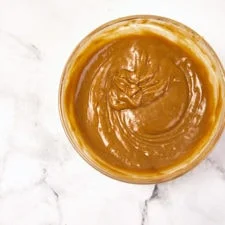
A quick, creamy peanut sauce with soy, sesame, ginger and Sriracha for a savoury, sweet and spicy finish. Make it for noodles, salads or dipping spring rolls, and adjust the consistency with warm water.
Ingredients
- 85 gcreamy peanut butter
- 60 mllow-sodium soy sauce
- 30 ml (2 tablespoons)rice wine vinegar
- 60 ml (4 tablespoons)sesame oil
- about 8 g (1½ teaspoons)grated ginger
- 5–10 ml (1–2 teaspoons), to tasteSriracha
- about 38 g (3 tablespoons)light brown sugar
- 30–60 ml (2–4 tablespoons), optionalwarm water
Instructions
- 1
Whisk ingredients
Put all the ingredients except the water in a bowl and whisk until combined.
- 2
Adjust consistency
If the sauce needs thinning, add 2–4 tablespoons of warm water and stir to combine.
- 3
Chill the sauce
Transfer the sauce to an airtight jar and store it in the fridge for up to 2 weeks.
What is spicy peanut sauce?
This is a quick, Asian-inspired sauce built around peanut butter, soy sauce and sesame oil, with ginger, vinegar, sugar and Sriracha for balance. Peanut sauces vary widely across cuisines and recipes; this version is a simple, no-cook blend designed for noodles, salads and dipping.
The peanut butter gives it body, while vinegar and soy sauce bring savoury, tangy notes. A little sugar rounds out the sharpness, and Sriracha lets you set the heat.
Nutrition and macros by portion
The nutrition label shows one serving as written: 91 calories, 2g protein, 3g carbs, 8g fat.
| Portion | Adjustment | kcal | Protein | Carbs | Fat |
|---|---|---|---|---|---|
| Lighter | Use less sesame oil | 64 kcal | 1g | 2g | 6g |
| This serving | As written | 91 kcal | 2g | 3g | 8g |
| Hungry | Serve with noodles | 137 kcal | 3g | 5g | 12g |
Most of the carbohydrates come from the brown sugar and peanut butter, while the peanut butter and sesame oil provide most of the fat; soy sauce contributes some protein. Serve a measured amount alongside vegetables and a protein-rich main to balance a meal.
Choosing the ingredients
Peanut butter: Creamy peanut butter makes a smooth sauce that is easy to whisk. If yours is very thick, the optional warm water helps loosen it.
Soy and sesame: Low-sodium soy sauce keeps the saltiness more manageable, while sesame oil contributes a distinct toasted flavour. Use the sesame oil listed in the recipe rather than treating it as a garnish.
Heat and sweetness: Start with 1 teaspoon of Sriracha for gentler heat, or use 2 teaspoons for more. The brown sugar softens the vinegar and chilli, so adjust it only after tasting the mixed sauce.
Whisking a smooth sauce
Add the ingredients other than water to a bowl and whisk until there are no streaks of peanut butter or sugar. A small whisk works well, but a fork is enough if you scrape the sides of the bowl as you mix.
The mixture may look thick at first; add the warm water gradually, stirring between additions. Stop when it is loose enough for its intended use.
Getting the consistency right
For dipping, keep the sauce relatively thick so it clings to spring rolls or vegetables. For noodles or a salad, thin it with warm water a little at a time until it coats without sitting in a heavy lump.
The sauce should be cohesive and easy to stir. If it becomes too thin, whisk in a little more peanut butter; if it is too thick, add another small splash of warm water.
Balancing the flavour
Taste after whisking, then make small adjustments: more Sriracha for heat, a little vinegar for tang, or a touch more brown sugar for sweetness. Stir well after each addition so the flavour stays even.
The soy sauce and peanut butter are both savoury, so avoid adding extra soy automatically. Taste first, especially if serving the sauce with already-seasoned noodles or vegetables.
Ways to serve it
Noodles: Toss the sauce through warm noodles, thinning it with water if needed so it coats evenly. Add vegetables or a protein of your choice for a more substantial meal.
Dipping and salads: Serve it alongside spring rolls or crisp vegetables, or drizzle a thinner version over a salad. It also works as a flavourful accompaniment to plain rice and vegetables.
Recipe notes & tips
- Measure the Sriracha to suit your preferred level of heat.
- Use warm water and add it gradually so you can control the thickness.
- Whisk thoroughly, scraping the bowl to incorporate peanut butter from the sides.
- Taste the finished sauce before adding extra soy sauce, as the peanut butter and soy are already savoury.
- For noodle dishes, loosen the sauce until it coats the noodles easily.
Variations
- Extra heat: Add more Sriracha a little at a time and taste as you go.
- More tang: Whisk in a small extra splash of rice wine vinegar.
- Sweeter sauce: Add a little more light brown sugar and mix until dissolved.
- Thinner dressing: Stir in warm water gradually until it drizzles easily.
- Vegetable dip: Keep the sauce thick and serve it with crisp vegetables.
Common mistakes to avoid
- Adding all the water at once: The sauce can become too thin; add it gradually and stop at the consistency you want.
- Using too much Sriracha immediately: The heat can overwhelm the other flavours; start with 1 teaspoon and taste.
- Skipping the whisking: Undissolved sugar or clumps of peanut butter make the texture uneven; whisk until smooth.
- Adding extra soy without tasting: The sauce may become too salty; check the flavour first.
- Expecting dipping sauce to be pourable: Keep it thicker for dipping, and thin it only when needed for noodles or salads.
How to store
Keep the sauce in an airtight jar in the fridge for up to 2 weeks, as specified in the recipe. Stir before serving; if it has thickened, mix in a little warm water to loosen it.
Frequently asked questions
How spicy is this sauce?
The heat depends on whether you use 1 or 2 teaspoons of Sriracha. Start with 1 teaspoon, taste, and add more if you like.
Can I make the sauce without water?
Yes. The water is optional and is only needed if you want a thinner consistency.
How do I make it thin enough for noodles?
Stir in warm water a little at a time until the sauce coats the noodles easily. Mix well after each addition.
Can I use it as a salad dressing?
Yes. Thin it with warm water until it drizzles over the salad, then toss or serve it on the side.
How long does it keep?
Store it in an airtight jar in the fridge for up to 2 weeks. Stir it before serving.
Cook it from the original
This recipe comes from thekitchenwhisperer.net. Their page has the author’s own photos, notes and tips — the best place to cook it from.
Open the recipe on thekitchenwhisperer.net