
Vegan Malai Kofta: Indian Dumplings in Curry Tomato Cream Sauce
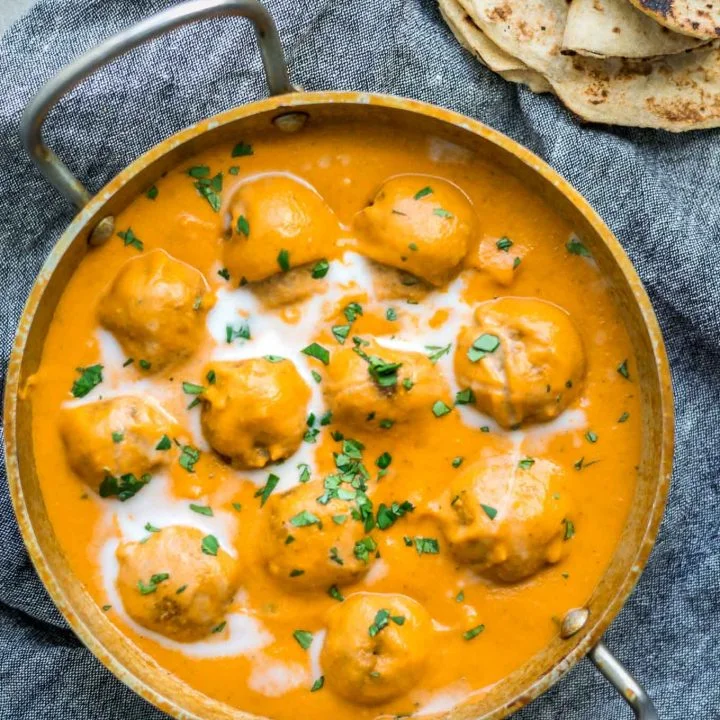
These vegan malai kofta pair soft potato-and-tofu dumplings with a smooth, spiced tomato and coconut cream sauce. Fry them for a crisp crust or bake them for a hands-off option, then serve with basmati rice or Indian flatbread.
Ingredients
- 567 g (1 1/4 lb; generally 4–6 potatoes)Yukon Gold potatoes
- 454 g (1 lb)firm or extra-firm tofu
- about 64 g (1/2 cup), plus more if neededcornflour or arrowroot starch
- 2 tbspminced fresh coriander, leaves and stems
- 1 tbsplemon juice
- 2 tspgaram masala
- 1 3/4 tspsalt
- about 140 g (1 cup)frozen green peas
- as neededoil for frying or baking
- 1 largeyellow onion, coarsely chopped
- 907 g (32 oz)tin of diced tomatoes, including the juice
- about 32 g (1/4 cup)cashews
- 4 clovesgarlic, chopped
- 2.5 cm (1-inch) piecefresh ginger, chopped
- 1 1/2 tspgaram masala
- 1 tspground turmeric
- 1/2 tspcayenne pepper
- 1 tspsalt
- 425 g (15 oz)tin of coconut milk
- 1 tbsp dried fenugreek leaves, or 1 tsp fenugreek seedskasoori methi or fenugreek seeds
- to tastefresh coriander, for garnish (optional)
Instructions
- 1
Cook the potatoes
Peel the potatoes, halve them and put them in a saucepan covered with water. Cover the pan, bring to the boil over a high heat, then reduce the heat to medium and boil for 10–15 minutes, until tender enough to pierce easily with a fork. Drain, mash until smooth and set aside.
- 2
Simmer the sauce
While the potatoes cook, put the onion, tinned tomatoes and their juice, cashews, garlic, ginger, 1 1/2 tsp garam masala, turmeric, cayenne and 1 tsp salt in a large, heavy-based saucepan. If using fenugreek seeds instead of dried leaves, add them now. Cover and bring to a simmer over a medium heat; simmer for 15 minutes, stirring occasionally.
- 3
Blend the sauce
Blend the onion and tomato mixture until smooth, venting the blender so steam can escape. Alternatively, use a stick blender; the sauce will be less silky. Return the sauce to the pan and stir in the coconut milk, keeping about 60 ml (1/4 cup) aside for serving. If using dried fenugreek leaves, crush them between your fingers and add them to the pan. Stir, cover and set aside until the kofta are ready.
- 4
Mash the tofu
Put the tofu in a large mixing bowl and squeeze it with your hands until creamy and free of lumps, with a ricotta-like texture. Alternatively, blend it in a small food processor until smooth.
- 5
Shape the kofta
Add the mashed potatoes, starch, minced coriander, lemon juice, 2 tsp garam masala and 1 3/4 tsp salt to the tofu, then mix. Roll a little mixture into a ball to check that it holds together. If it is very sticky or wet and falling apart, mix in a little more starch. Stir in the frozen peas, then shape heaped tablespoonfuls into balls or torpedo shapes.
- 6
Fry the kofta
Pour about 5 cm (2 inches) of high-heat oil into a heavy-based saucepan and heat over a medium-low heat. Heat it to 163–177°C (325–350°F), or test with a small piece of mixture: the oil should bubble vigorously around it and the piece should rise fairly quickly. Fry the kofta in batches without crowding the pan, turning halfway, until dark golden brown; this takes 5–10 minutes depending on the oil temperature and batch size. Lift them out with a wire spider strainer onto a plate lined with kitchen paper, and repeat with the remaining kofta.
- 7
Bake the kofta
Alternatively, heat the oven to 220°C (425°F). Line a baking tray with baking parchment and brush or spray it with oil. Arrange the shaped kofta with 1.3–2.5 cm (1/2–1 inch) between them, then brush or spray their tops with oil. Bake for 30–40 minutes, turning after 15–20 minutes, until both sides are golden and the edges are crisp and chewy. They may flatten or lose some of their shape as they bake.
- 8
Serve with sauce
When ready to eat, spoon sauce over only the kofta you plan to serve, as they soften once coated. Drizzle over the reserved coconut milk and garnish with coriander if desired. Serve with Indian flatbread and/or basmati rice.
What is malai kofta?
Malai kofta is an Indian dish of dumplings served in a rich, spiced sauce; the name is commonly associated with creamy sauce and kofta, or shaped balls. This plant-based version uses potato and tofu in place of the more familiar paneer-based dumplings, with peas folded into the mixture.
The method separates the work into two parts: simmer and blend the tomato sauce, then shape and cook the kofta. Coconut milk and cashews give the sauce body, while the choice to fry or bake lets you choose the dumpling finish.
Nutrition and macros by portion
The nutrition label shows one serving as written: 520 calories, 15g protein, 57g carbs, 27g fat.
| Portion | Adjustment | kcal | Protein | Carbs | Fat |
|---|---|---|---|---|---|
| Lighter | Bake with less oil | 364 kcal | 11g | 40g | 19g |
| This serving | As written | 520 kcal | 15g | 57g | 27g |
| Hungry | Add extra rice | 780 kcal | 23g | 86g | 41g |
Potatoes, peas and starch supply most of the carbohydrates; tofu provides much of the protein, while coconut milk, cashews and cooking oil contribute much of the fat. Serve a moderate amount of rice or flatbread alongside, and add vegetables to round out the plate.
Build a smooth sauce
Tomatoes and onion: simmer them with the aromatics and spices until softened, then blend the mixture for a smoother base.
Cashews and coconut milk: cashews are blended into the tomato mixture, while coconut milk is stirred in afterwards for a creamy finish. Keep a little coconut milk back to drizzle over the plated dish.
Get the kofta mixture right
Potatoes: mash them thoroughly after boiling so the dumplings have a smooth base without large lumps.
Tofu: squeeze or process it until it resembles ricotta. Its moisture can vary, so check that a test ball holds together before shaping the rest.
Starch: start with the stated amount, then add a little more only if the mixture is too wet or falls apart. Fold in the peas once the mixture holds its shape.
Frying or baking
Frying: keep the batches small so the kofta have room to brown. Turn them halfway through and watch for a dark golden exterior, using the stated oil temperature as a guide.
Baking: space the kofta on the tray and oil their tops for even browning. They can flatten slightly in the oven, so judge doneness by their golden sides and crisp, chewy edges rather than by a perfect round shape.
Keep the texture
The dumplings are soft inside, so handle them gently when moving them from the pan or tray. Add sauce only just before serving; leaving the kofta sitting in it makes their crisp exterior soften.
For a smoother sauce, use a blender and take care to vent it as directed. A stick blender works too, though the sauce will be less silky.
Plan the timing
Start the sauce while the potatoes boil; its covered simmer takes 15 minutes, and it can wait in the pan while you prepare the kofta. Shape the dumplings before choosing whether to fry or bake.
Frying takes 5–10 minutes per batch, while baking takes 30–40 minutes. The total time depends on how many frying batches you need and which cooking method you choose.
What to serve alongside
Basmati rice or Indian flatbread makes a simple base for the creamy sauce. You can serve either or both, as the recipe suggests.
Add the sauce at the table or just before serving to keep the kofta from going soft while everyone gets ready to eat.
Recipe notes & tips
- Let the boiled potatoes drain well before mashing so the kofta mixture is not unnecessarily wet.
- Check the consistency with one test ball before shaping the full batch.
- Add extra starch a little at a time if the mixture will not hold together.
- Fry the kofta in batches, leaving space around each one for browning.
- Vent the blender while blending the hot tomato mixture to let steam escape.
- Keep the sauce separate from any kofta you plan to store.
Variations
- Use arrowroot: choose it in place of cornflour as the recipe allows.
- Choose fenugreek seeds: add them to the simmering sauce instead of dried leaves.
- Bake the dumplings: brush or spray them with oil and use the oven method for a less hands-on cook.
- Adjust the heat: use less cayenne for a milder sauce.
- Finish with coriander: scatter fresh coriander over the plated kofta if you like its fresh flavour.
Common mistakes to avoid
- Wet kofta mixture: add a little more starch until a test ball holds together.
- Lumpy tofu: mash or process it until creamy before mixing in the other kofta ingredients.
- Crowded frying pan: cook in batches so the kofta can brown evenly.
- Unvented blender: let steam escape while blending the hot sauce mixture.
- Sauced too early: coat only the kofta you are serving, since the dumplings soften in the sauce.
How to store
Store leftover kofta and sauce separately in covered containers in the fridge and use within 3 days. Reheat the sauce in a saucepan and warm the kofta separately in the oven until heated through; add the sauce just before serving.
Frequently asked questions
Can I bake the kofta instead of frying them?
Yes. Bake them at 220°C (425°F) for 30–40 minutes, turning after 15–20 minutes. They may flatten a little, and the edges should become crisp and chewy.
How do I know if the kofta mixture is firm enough?
Shape a small test ball; it should hold together. If the mixture is very sticky, wet or falling apart, mix in a little more starch.
Can I make the sauce without a blender?
A stick blender can be used in place of a jug blender. The finished sauce may not be quite as silky smooth.
When should I add the sauce to the kofta?
Add it just before serving, and only to the kofta you plan to eat at that meal. The dumplings soften if left sitting in the sauce.
What can I serve with malai kofta?
Serve it with Indian flatbread, basmati rice, or both, as suggested in the recipe.
Can I use fenugreek seeds instead of dried fenugreek leaves?
Yes. Use 1 tsp fenugreek seeds instead of 1 tbsp dried leaves, and add the seeds to the sauce ingredients before simmering.
Cook it from the original
This recipe comes from thecuriouschickpea.com. Their page has the author’s own photos, notes and tips — the best place to cook it from.
Open the recipe on thecuriouschickpea.com