
Condensed Milk Coconut Tarts
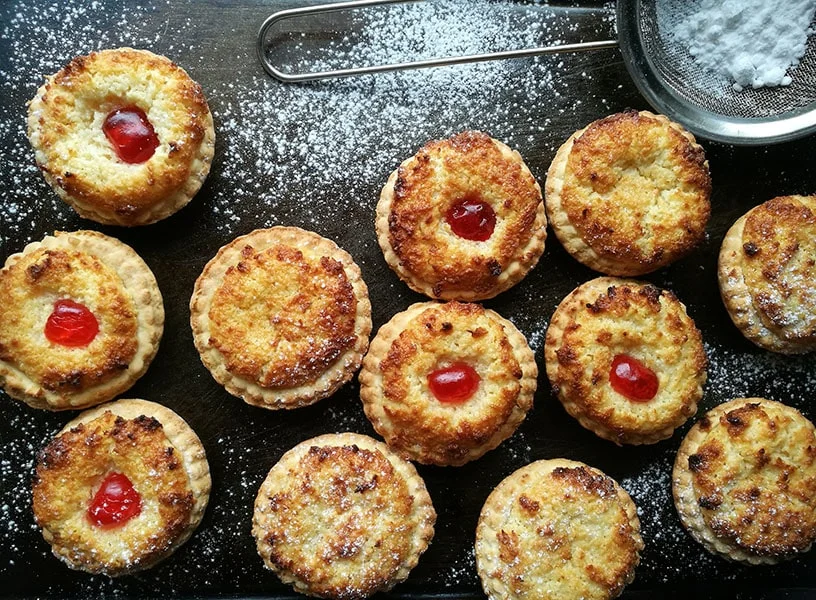
These little tarts have a buttery shortcrust pastry shell and a sweet, chewy coconut filling enriched with condensed milk. They make a classic bake for sharing with tea or serving as a simple dessert.
Ingredients
- 125 g (½ cup)butter or margarine
- 100 g (½ cup)caster sugar
- 60 ml (¼ cup) buttermilk, or 5 ml (1 teaspoon) lemon juice mixed into 60 ml (¼ cup) milkbuttermilk or milk mixture
- 270 g (2¼ cups)cake flour or plain flour
- 4 g (1 level teaspoon)baking powder
- 2 ml (½ teaspoon)salt
- 150 g (2½ cups)desiccated or shredded coconut
- 2 tablespoonscake flour or plain flour
- 1 teaspoonbaking powder
- 134 g (⅔ cup)sugar
- 125 ml (½ cup)milk
- 120 ml (½ cup)sweetened condensed milk
- 1½ teaspoonsvanilla extract
- 60 g (4 tablespoons), meltedbutter
Instructions
- 1
Cream butter and sugar
For the pastry, cream the butter and caster sugar together.
- 2
Add the buttermilk
Beat in the buttermilk until the mixture is light and creamy.
- 3
Mix the pastry
Sift in the flour, baking powder and salt. Combine gently, handling the mixture lightly until it forms a soft dough. Chill in the fridge or freezer for about 10–15 minutes while you prepare the filling.
- 4
Combine coconut mixture
In a bowl, mix the desiccated coconut with the flour and baking powder, then set aside.
- 5
Mix the filling
In a separate bowl, whisk together the sugar, condensed milk, vanilla extract, melted butter and milk. Add the coconut mixture and whisk until combined.
- 6
Shape the pastry
Lightly flour the work surface and roll out the chilled pastry. Cut out rounds with a biscuit cutter and press them into a greased tart or cupcake tin.
- 7
Fill and bake
Spoon or scoop the filling into the pastry cases. Bake in an oven preheated to 160°C for 20 minutes, or until golden brown and cooked through. Leave to cool in the tin for about 10 minutes before removing the tarts.
What are condensed milk coconut tarts?
These are individual pastry cases filled with a sweet coconut mixture, a style of home baking found in many places with British-influenced baking traditions. Their appeal is in the contrast between a tender, buttery shell and a soft, rich centre.
This version combines coconut with both milk and sweetened condensed milk, while a short chill helps the pastry firm up before shaping. The result is a straightforward batch of 12 small tarts.
Nutrition and macros by portion
The nutrition label shows one serving as written: 396 calories, 5g protein, 54g carbs, 19g fat.
| Portion | Adjustment | kcal | Protein | Carbs | Fat |
|---|---|---|---|---|---|
| Lighter | Smaller tart portion | 277 kcal | 4g | 38g | 13g |
| This serving | As written | 396 kcal | 5g | 54g | 19g |
| Hungry | Serve two tarts | 594 kcal | 8g | 81g | 29g |
The flour and sugars provide most of the carbohydrates, while the butter, coconut and condensed milk contribute much of the fat. Coconut and milk also provide some protein. Serve a tart with fresh fruit or yoghurt for a more balanced snack or dessert plate.
The pastry base
Creaming: Beat the butter and caster sugar until well combined, then add the buttermilk and continue beating until light and creamy.
Handling: Once the flour goes in, mix only until a soft dough forms. Chilling it for 10–15 minutes makes it easier to roll and press into the tin.
The coconut filling
Dry ingredients: Mixing the coconut with the flour and baking powder first helps distribute the raising agent through the filling.
Wet ingredients: Whisk the milks, sugar, vanilla and melted butter together before adding the coconut mixture. Stop once everything is combined so the filling remains easy to spoon into the cases.
Shaping the tart cases
Rolling: Use a lightly floured surface and roll the pastry evenly so the cases bake at a similar pace. Cut rounds sized to fit your tin, then gently press them into the cups without stretching the dough.
Filling: A spoon or ice cream scoop makes it easier to portion the coconut mixture. Leave room at the top of each pastry case rather than packing in more filling than it can hold.
How to judge when they are done
Colour: Bake at 160°C for 20 minutes, checking for a golden-brown top and edges. The recipe gives both colour and being fully cooked as cues, so look for an evenly set filling rather than relying on the clock alone.
Cooling: Rest the tarts in the tin for about 10 minutes before lifting them out. The pastry is delicate while hot and will firm as it cools.
Serving the tarts
These are rich and sweet enough to serve on their own with tea or coffee. For a dessert plate, pair one with fresh berries or a spoonful of lightly sweetened yoghurt to add a tart, cool contrast.
Recipe notes & tips
- Chill the pastry for the full 10–15 minutes if it feels soft or sticky.
- Dust the rolling surface lightly; too much extra flour can make the pastry dry.
- Grease the tart or cupcake tin so the pastry cases release more easily.
- Use a scoop to divide the filling evenly among the cases.
- Let the tarts cool in the tin for about 10 minutes before removing them.
Variations
- Lemon note: Add a little finely grated lemon zest to the filling for a brighter flavour.
- Coconut texture: Use shredded coconut for a more pronounced texture, as allowed by the recipe.
- Spiced filling: Add a pinch of cinnamon to the coconut mixture for a warm note.
- Citrus pairing: Serve with fresh orange segments to contrast the sweetness.
- Mini batch: Use a smaller cutter and tin for more petite tarts, checking them earlier as they bake.
Common mistakes to avoid
- Overworking the dough: Mix only until it forms a soft dough to keep the pastry tender.
- Skipping the chill: Rest the pastry for 10–15 minutes so it is easier to roll and shape.
- Adding too much flour: Flour the work surface lightly to avoid making the pastry tough.
- Overfilling the cases: Leave space at the top so the filling stays within each pastry shell.
- Removing them too soon: Cool the tarts in the tin for about 10 minutes so the cases can firm up.
How to store
Once completely cool, store the tarts in an airtight container at room temperature for up to 3 days. If chilled, let them come towards room temperature before serving; warm briefly in a low oven if you prefer them slightly warm.
Frequently asked questions
Can I use lemon juice and milk instead of buttermilk?
Yes. Mix 5 ml (1 teaspoon) lemon juice into 60 ml (¼ cup) milk, as specified in the ingredients, and use it in the pastry.
Can I use plain flour instead of cake flour?
Yes. The recipe allows either cake flour or plain flour for both the pastry and filling.
How do I know the tarts are baked through?
The tops should be golden brown and the filling should look set. The stated baking time is 20 minutes at 160°C.
Why does the pastry need chilling?
The short chill helps the soft dough firm up, making it easier to roll and press into the tin.
Can I make the tarts ahead?
Yes. Bake them ahead and store them in an airtight container once fully cool. Allow time for them to cool before packing so condensation does not soften the pastry.
Cook it from the original
This recipe comes from thegardeningfoodie.com. Their page has the author’s own photos, notes and tips — the best place to cook it from.
Open the recipe on thegardeningfoodie.com