
Baked Barbequed Chicken
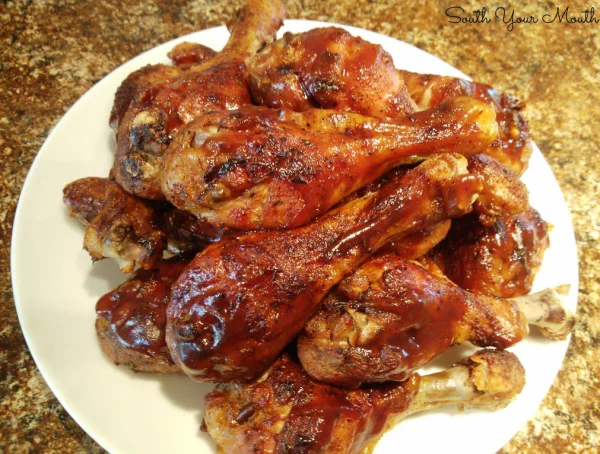
Chicken legs or thighs roast slowly in the oven, then get a final coating of barbecue sauce. It is a straightforward way to make tender, sauce-glazed chicken when you do not have a grill.
Ingredients
- 10chicken legs or thighs
- 30 ml (2 tablespoons)olive oil
- 30 ml (2 tablespoons)Chicken Scratch seasoning
- 180 ml (¾ cup)barbecue sauce
- 45 ml (3 tablespoons)salt
- 45 ml (3 tablespoons)paprika
- 45 ml (3 tablespoons)garlic powder
- 15 ml (1 tablespoon)dried thyme
- 15 ml (1 tablespoon)white pepper
- 15 ml (1 tablespoon)black pepper
- 15 ml (1 tablespoon)cayenne pepper
- 15 ml (1 tablespoon)onion powder
Instructions
- 1
Heat the oven
Preheat the oven to 163°C (325°F).
- 2
Dry the chicken
Rinse the chicken pieces, then pat them dry with kitchen paper.
- 3
Season the pieces
Put the chicken in a large bowl and toss it with the olive oil until coated. Add 30 ml (2 tablespoons) of Chicken Scratch seasoning and mix until the chicken is evenly covered.
- 4
Arrange the chicken
Line a large baking tray with foil if you want easier cleaning. Coat the tray with cooking spray, then arrange the chicken pieces in an even layer.
- 5
Roast and glaze
Cook at 163°C (325°F) for 1 hour 45 minutes. Brush the chicken with barbecue sauce, return it to the oven and cook for a further 15 minutes, making 2 hours of cooking time in total.
- 6
Mix the seasoning
Mix the salt, paprika, garlic powder, dried thyme, white pepper, black pepper, cayenne pepper and onion powder together. Store the mixture in an airtight container.
What is baked barbecue chicken?
Barbecue chicken is associated with American cookery, where chicken is seasoned and finished with a tangy, often sweet sauce. This version uses the oven rather than a grill, with a long roast followed by a short sauced finish.
Chicken Scratch is a dry blend of salt, spices and herbs used to season the meat before roasting. The two-stage cooking keeps the sauce from spending the whole time in the oven.
Nutrition and macros by portion
The nutrition label shows one serving as written: 390 calories, 29g protein, 12g carbs, 25g fat.
| Portion | Adjustment | kcal | Protein | Carbs | Fat |
|---|---|---|---|---|---|
| Lighter | Remove chicken skin | 273 kcal | 20g | 8g | 18g |
| This serving | As written | 390 kcal | 29g | 12g | 25g |
| Hungry | Add another chicken piece | 585 kcal | 44g | 18g | 38g |
Chicken supplies most of the protein and much of the fat, while the barbecue sauce contributes most of the carbohydrates and sugars. The seasoning and sauce can also make the dish high in sodium; balance a portion with vegetables and a modest serving of a starchy side.
The seasoning blend
Chicken Scratch: the recipe combines paprika, garlic and onion powders, thyme, three types of pepper and salt. Mix the blend thoroughly so the stronger spices are distributed evenly.
Measured portion: the method uses 30 ml (2 tablespoons) of the blend on the chicken, while the listed quantities make a larger batch. Keep the remainder airtight as directed.
Getting the chicken ready
Dry surfaces: patting the pieces dry helps the oil and seasoning cling instead of sliding off with moisture.
Even coating: turn each piece through the oil and seasoning so the rub reaches all sides. Arrange the pieces without piling them up on the tray.
Slow roasting and saucing
First roast: the chicken cooks at 163°C (325°F) for 1 hour 45 minutes before the sauce is added. The recipe relies on this long oven stage to cook the pieces through.
Final glaze: brush on the barbecue sauce and return the tray to the oven for 15 minutes. Keep an eye on the coating during this last stage, as barbecue sauces can darken quickly.
Checking doneness
Use a food thermometer in the thickest part of a piece, without touching bone; poultry should reach 74°C (165°F). If the pieces vary in size, check more than one.
The recipe gives a total cooking time of 2 hours, but the pieces' size and the oven can affect how quickly they cook. Use temperature as the final doneness check.
What to serve alongside
Serve the chicken with a crisp salad or green vegetables to balance its rich, savoury seasoning. Corn, slaw or baked potatoes also suit the barbecue flavours.
If you are serving extra sauce, keep it separate from the sauce used to brush the chicken so it stays fresh at the table.
Recipe notes & tips
- Pat the chicken dry before adding the oil and seasoning.
- Use a tray large enough to arrange the pieces in a single layer.
- Mix the seasoning blend thoroughly before measuring out the 30 ml (2 tablespoons) needed for the chicken.
- Brush the barbecue sauce over the chicken for the final 15 minutes, not before the long roast.
- Check the thickest piece with a food thermometer before serving.
Variations
- Use leg quarters: choose them in place of legs or thighs, and check the thickest part for doneness.
- Adjust the heat: reduce the cayenne in the seasoning blend for a milder result.
- Try a different sauce: use your preferred barbecue sauce for a sweeter or tangier finish.
- Add a smoky note: choose smoked paprika in place of regular paprika.
- Serve with slaw: add a crunchy cabbage side to contrast with the tender chicken.
Common mistakes to avoid
- Leaving the chicken wet: pat it dry first so the oil and seasoning coat it evenly.
- Crowding the tray: spread the pieces out in an even layer rather than stacking them.
- Saucing too early: wait until after the first 1 hour 45 minutes so the sauce does not roast for the entire cooking time.
- Guessing by time alone: check the thickest piece reaches 74°C (165°F), especially if pieces differ in size.
- Confusing the seasoning quantities: the chicken uses 30 ml (2 tablespoons) of the mixed blend, not all of its separate listed ingredients.
How to store
Refrigerate leftover chicken in a covered container within 2 hours and use within 3–4 days. Reheat until piping hot throughout; the seasoning blend can be kept separately in an airtight container.
Frequently asked questions
Can I use thighs instead of legs?
Yes. The recipe allows either chicken legs or thighs; check the thickest part of each piece for doneness.
Can I use leg quarters?
Yes, the recipe description includes leg quarters. As these may be larger, use a thermometer rather than relying only on the stated cooking time.
Do I need to line the tray with foil?
No, foil is optional and is included to make cleaning easier. The recipe also calls for cooking spray on the tray.
How much Chicken Scratch goes on the chicken?
Use 30 ml (2 tablespoons) of the mixed seasoning. The listed salt and spices are the ingredients for making the blend, not extra quantities to add individually to the chicken.
Can I make the seasoning ahead?
Yes. Mix the listed seasoning ingredients and store the blend in an airtight container as directed.
How can I tell when the chicken is cooked?
Check the thickest part with a food thermometer, keeping the probe away from the bone. It should reach 74°C (165°F).
Cook it from the original
This recipe comes from southyourmouth.com. Their page has the author’s own photos, notes and tips — the best place to cook it from.
Open the recipe on southyourmouth.com