
Brined Pork Tenderloin
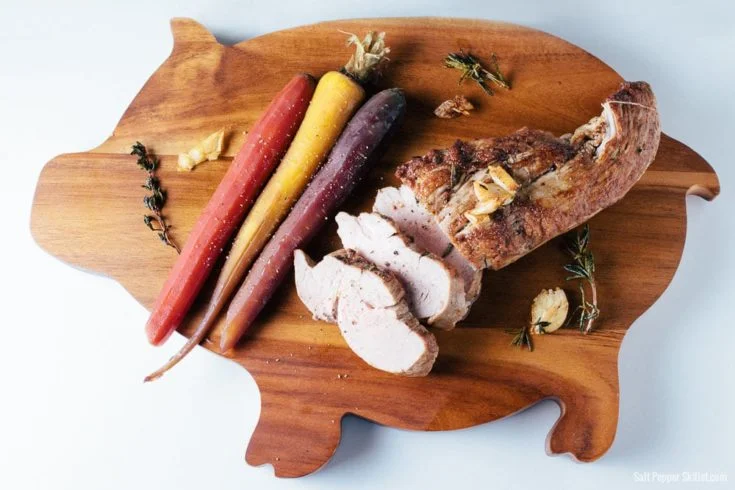
This American-style brined pork tenderloin is seared until golden, then roasted with butter, garlic and herbs. Brining seasons the meat throughout and helps keep it tender, making it a flavourful centrepiece for a simple dinner.
Ingredients
- 45 ml (3 tablespoons)honey
- 3bay leaves
- 2fresh rosemary sprigs
- 4fresh thyme sprigs
- 6garlic cloves, crushed
- 15 ml (1 tablespoon)black peppercorns
- about 135 g (½ cup Diamond kosher salt; or about 70 g, ¼ cup Morton kosher salt)kosher salt
- 950 ml (4 cups)water
- 1pork tenderloin, silverskin and fat removed
- 15 ml (1 tablespoon)rapeseed oil
- 14 g (1 tablespoon)unsalted butter
- 2garlic cloves, crushed
- 3fresh thyme sprigs
- 1fresh rosemary sprig
- to tastesalt and pepper (the pork is brined, so additional salt may not be needed)
Instructions
- 1
Prepare the brine
Bring half the water to the boil with the other brine ingredients, whisking until the salt and honey dissolve.
- 2
Cool and soak
Pour the brine into a container large enough for the pork and stir in the remaining water. Let it cool completely before adding the pork; stand the container over ice to speed this up if you like. Submerge the pork and refrigerate for 2–4 hours.
- 3
Dry the pork
Rinse the pork thoroughly and pat it dry with kitchen paper. Leave it at room temperature for 30 minutes before cooking.
- 4
Heat the oven
Preheat the oven to 177°C (350°F).
- 5
Sear the pork
Heat the rapeseed oil in a 25–30 cm (10–12 inch) frying pan over medium-high heat. Season the pork with pepper, omitting salt if preferred because it has been brined. Sear until golden on every side, about 6 minutes.
- 6
Baste with herbs
Lower the heat and add the butter, garlic, thyme and rosemary. For 2 minutes, spoon the melted butter, herbs and pan juices over the pork.
- 7
Set up to roast
Place a rack on a baking tray and transfer the pork onto it. Arrange the herbs and garlic on top of the pork.
- 8
Roast until ready
Roast for about 20 minutes, until the pork registers 57–60°C (135–140°F). Its temperature will continue to rise after it comes out of the oven.
- 9
Rest the meat
Transfer the pork to a chopping board, cover it with foil and leave it to rest for 15 minutes.
- 10
Slice and serve
Slice the pork and serve.
What is brined pork tenderloin?
Pork tenderloin is a lean, tender cut from along the pig’s back, and brining is a familiar American way to season meat before cooking. Here, the pork sits in a sweet, savoury brine before being seared and finished in the oven.
Honey, garlic and herbs flavour the brine, while a final baste adds buttery, aromatic notes. Searing first gives the outside colour before the tenderloin roasts through.
Nutrition and macros by portion
The nutrition label shows one serving as written: 290 calories, 36g protein, 4g carbs, 14g fat.
| Portion | Adjustment | kcal | Protein | Carbs | Fat |
|---|---|---|---|---|---|
| Lighter | Use less butter | 203 kcal | 25g | 3g | 10g |
| This serving | As written | 290 kcal | 36g | 4g | 14g |
| Hungry | Serve a larger portion | 435 kcal | 54g | 6g | 21g |
Pork supplies most of the protein, while the rapeseed oil and butter contribute most of the fat. The honey contributes some carbohydrate, though the brine is discarded and the amount that remains on the meat will vary. Pair a portion with vegetables and a modest serving of potatoes or another starchy side for a balanced plate.
The brine ingredients
Salt and honey: Dissolving them in hot water helps distribute the seasoning through the brine. Diamond and Morton kosher salts have different densities, so use the recipe’s separate measures rather than swapping them cup for cup.
Herbs and aromatics: Bay, rosemary, thyme, garlic and peppercorns bring savoury fragrance. The brine is discarded, so these season the pork rather than becoming a sauce.
Cooling and brining
Cool completely: Add the remaining water and make sure the brine is fully cool before the pork goes in. Warm brine can start to cook the meat and should not be used for this step.
Keep it chilled: Brine the pork in the fridge for 2–4 hours. A container that keeps the tenderloin submerged helps it season evenly.
Searing and basting
Brown all sides: A properly heated pan helps the pork develop a golden exterior; turn it as needed during the roughly 6-minute sear. The tenderloin will finish cooking in the oven.
Baste briefly: Once the butter, garlic and herbs are in the pan, spoon the melted butter and juices over the pork for 2 minutes. Lowering the heat helps keep the butter and garlic from scorching.
How to judge doneness
Use a thermometer: Check the thickest part of the tenderloin and take it out of the oven at 57–60°C (135–140°F), as directed. The temperature rises during the 15-minute rest.
Rest before slicing: Cover the pork loosely with foil and let it sit on a board. Resting gives the juices time to settle, so they are less likely to run out as soon as you cut the meat.
Timing the recipe
The listed total time is 220 minutes, including the brining, resting and cooking stages. The pork needs 2–4 hours in the fridge, followed by 30 minutes at room temperature before it is cooked.
Allow about 6 minutes to sear, 2 minutes to baste, around 20 minutes to roast and 15 minutes to rest. Use the thermometer reading as the doneness cue rather than relying on the roasting time alone.
What to serve with it
Serve slices with roasted potatoes, mash or crusty bread to make the most of the buttery pan juices. Green beans, carrots or a crisp salad add freshness alongside the rich, savoury pork.
Keep any extra seasoning light at the table, since the meat has already been brined. Taste before adding salt.
Recipe notes & tips
- Use the salt quantity specified for your brand of kosher salt, as Diamond and Morton measures differ.
- Make sure the brine is completely cool before adding the pork.
- Pat the tenderloin very dry before it goes into the hot pan to encourage browning.
- Turn the pork so every side gets a golden sear.
- Check the thickest part of the meat with a thermometer rather than judging doneness by colour.
- Rest the pork for the full 15 minutes before slicing.
Variations
- Fresh herbs: Use the listed rosemary and thyme as directed, keeping the brine and pan herbs in their separate stages.
- Extra garlic: Add more crushed garlic to the brine for a stronger garlic note.
- Peppery finish: Add a little more pepper to the pork before searing.
- Different oil: Use another neutral cooking oil in place of rapeseed oil.
- Herb swap: Replace the pan rosemary or thyme with another fresh herb you enjoy.
Common mistakes to avoid
- Using warm brine: It can start cooking the meat; cool the brine completely before adding the tenderloin.
- Brining too long: The recipe calls for 2–4 hours; remove the pork within that window.
- Skipping the rinse: Thoroughly rinse away the surface brine, then pat the pork dry before cooking.
- Adding salt automatically: The brine has seasoned the pork, so season with pepper and taste before adding any extra salt.
- Cooking by time alone: Oven performance and tenderloin size vary; use the internal temperature as your guide.
- Slicing immediately: Cutting before the 15-minute rest can let more juices escape.
How to store
Refrigerate leftover pork in a covered container within 2 hours and use within 3–4 days. Reheat gently in a covered dish in the oven or microwave until hot, taking care not to overcook the lean meat.
Frequently asked questions
Can I brine the pork for just 2 hours?
Yes. The method gives a brining window of 2–4 hours, so 2 hours is within the stated time.
Why does the recipe give two salt measurements?
Diamond and Morton kosher salts differ in how much salt fits into a cup. Use ½ cup Diamond or ¼ cup Morton, rather than treating the volumes as interchangeable.
Do I need to add salt before searing?
The recipe says to season with pepper and notes that extra salt may not be needed because the pork has been brined. Taste after cooking before adding more.
What temperature should the pork reach in the oven?
Roast until the thickest part reads 57–60°C (135–140°F). The temperature will continue to rise while the meat rests.
Can I skip the 30-minute room-temperature rest?
The method includes 30 minutes out of the fridge before cooking. Allow that time after rinsing and drying the pork.
How should I slice pork tenderloin?
After the 15-minute rest, cut it into slices across the tenderloin and serve.
Cook it from the original
This recipe comes from saltpepperskillet.com. Their page has the author’s own photos, notes and tips — the best place to cook it from.
Open the recipe on saltpepperskillet.com