
Sous Vide Pork Tenderloin
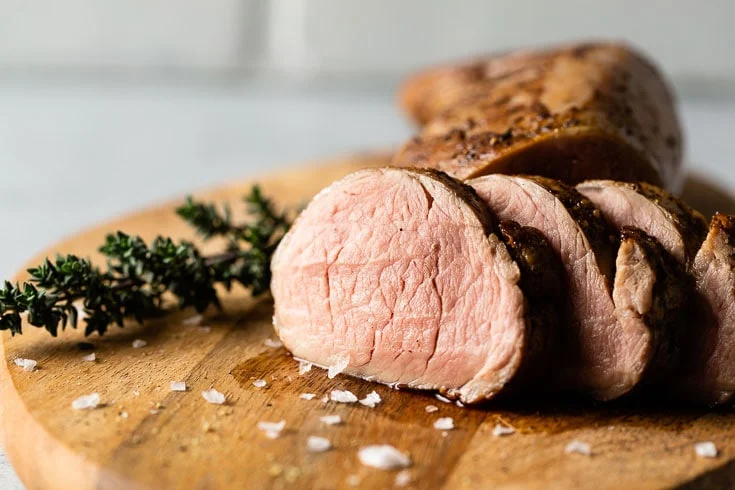
Sous vide pork tenderloin is gently cooked in a water bath, then quickly seared for a browned exterior and juicy, tender slices. It is a useful method when you want precise doneness and a hands-off stretch of cooking time.
Ingredients
- 454–680 g (1–1½ lb)whole pork tenderloin
- to tastekosher salt and freshly ground black pepper
- to tastefresh thyme and rosemary sprigs
- to tastecanola oil, for searing
- to tastebutter, for basting
Instructions
- 1
Heat the water
Fill a large pot or container with warm water and set the sous vide bath to 59.4°C (139°F), or to the desired temperature on your machine’s chart, following the machine instructions.
- 2
Season the pork
Season the tenderloin very generously with salt and black pepper. Put it in a vacuum-seal or zip-top bag with a few thyme and rosemary sprigs on each side.
- 3
Seal the bag
Vacuum-seal the bag if using a vacuum sealer. For a zip-top bag, partly close it and press out as much air as possible; lower it into the water to push out the remaining air, then seal it.
- 4
Cook the tenderloin
Clip the bag to the side of the pot or container so it stays submerged. Cook for 1½ to 4 hours.
- 5
Dry the pork
Take the bag out of the water bath and remove the pork. Pat it thoroughly dry with paper towels.
- 6
Sear and baste
Heat a heavy-based frying pan over high heat and add enough canola oil to coat the bottom. Sear the pork for 30 seconds on each side, 2 minutes in total, until browned. As it sears, add a few tablespoons of butter and more fresh herbs, then baste the pork with the melted butter.
- 7
Rest and slice
Leave the pork to rest for a few minutes, then slice and serve straight away.
What is sous vide pork tenderloin?
Sous vide means cooking food in a sealed bag in a temperature-controlled water bath. The technique is associated with French cooking, while this tenderloin uses familiar American-style seasonings and a quick pan finish.
The low, steady heat cooks the pork evenly; a short, hot sear adds colour and flavour. Thyme, rosemary and butter round out the simple seasoning.
Nutrition and macros by portion
The nutrition label shows one serving as written: 310 calories, 37g protein, 0g carbs, 17g fat.
| Portion | Adjustment | kcal | Protein | Carbs | Fat |
|---|---|---|---|---|---|
| Lighter | Less butter and oil | 217 kcal | 26g | 0g | 12g |
| This serving | As written | 310 kcal | 37g | 0g | 17g |
| Hungry | Larger pork portion | 465 kcal | 56g | 0g | 26g |
Pork provides most of the protein, while canola oil and butter contribute most of the fat; the tenderloin itself supplies very little carbohydrate. Serve it with vegetables and a measured portion of potatoes or another starchy side to round out the plate.
Choose and season the pork
Tenderloin: This lean, narrow cut suits sous vide because precise temperature control helps it stay tender. If the piece is especially long, fold or arrange it so the whole cut can remain submerged in the bag.
Seasoning: Apply the salt and pepper generously, as directed, and tuck a few herb sprigs alongside the meat. The recipe leaves the seasoning amounts to taste, so adjust them to the size of your tenderloin.
Get a good bag seal
Vacuum bag: Seal the pork and herbs with a vacuum sealer, making sure the bag is closed securely.
Zip-top bag: Use the water-displacement method to push air out before sealing. Trapped air can make the bag float, so check that it is sealed and stays under the water.
Cook to the planned timing
Water bath: Set the machine to 59.4°C (139°F), or choose a temperature from its chart if you prefer a different doneness. Follow the machine’s instructions for heating the bath.
Timing: The recipe gives a cooking window of 1½ to 4 hours. Keep the bag submerged throughout, and secure it to the side of the container with a clip.
Dry well before searing
Surface: Patting the pork dry after cooking helps it brown in the pan rather than release moisture and steam. Take care when opening the bag, as its contents will be hot.
Sear: Use a heavy-based pan over high heat and oil the base. The brief 30-second sear on each side is for browning; add butter and herbs while the pork is in the pan and spoon the butter over it.
Rest and serve
Rest: A few minutes of resting makes the tenderloin easier to slice neatly. Slice across the meat and serve immediately, as the recipe directs.
On the plate: Pair it with potatoes or another starchy side and a green vegetable or salad. These additions make a more complete meal without complicating the main dish.
Recipe notes & tips
- Use a container large enough for the bag to sit in the water without blocking the circulator.
- Check that the tenderloin is fully submerged before leaving it to cook.
- Pat the cooked pork very dry before it goes into the hot pan.
- Have the butter and extra herbs ready so they can go into the pan during the quick sear.
- Let the pork rest for a few minutes before slicing.
Variations
- Garlic: Add a crushed garlic clove to the bag alongside the herbs.
- Herb change: Use extra thyme or rosemary if you prefer one flavour to stand out.
- Peppery crust: Add another grind of black pepper just before searing.
- Pan sauce: After removing the pork, use the browned butter and herbs in the pan as a simple spoon-over finish.
- Different doneness: Choose another temperature from your sous vide machine’s chart.
Common mistakes to avoid
- Air in the bag: Use the water-displacement method to press out air so the bag stays submerged.
- Bag floating: Clip it securely to the container and check that the pork remains under the water.
- Wet surface: Pat the tenderloin thoroughly dry before searing to help it brown.
- Crowded pan: Give the pork room to contact the pan; sear in batches if the pan is too small.
- Over-searing: Keep to 30 seconds per side so the quick browning step does not turn into extended pan cooking.
How to store
Refrigerate leftover pork in an airtight container and use within 3 days. Reheat gently in a covered pan over low heat until warmed through, or serve chilled in slices; avoid prolonged high heat, which can dry it out.
Frequently asked questions
Can I use a zip-top bag instead of a vacuum bag?
Yes. Partly seal the bag, lower it into the water to press out the air, then close it fully before cooking.
How long should I cook the pork?
The method gives a range of 1½ to 4 hours. Keep the bag submerged and follow the timing guidance for your sous vide machine.
Can I use a different water-bath temperature?
Yes. The recipe specifies 59.4°C (139°F) or a desired temperature from the machine’s chart. Use the chart to select a temperature that suits your preferred doneness.
Why does the pork need to be dried before searing?
A dry surface browns more readily in the hot pan. Blot it well with paper towels after taking it out of the bag.
Do I need to sear the pork after sous vide cooking?
The sear gives the tenderloin a browned exterior and adds flavour. This method calls for about 2 minutes in total, 30 seconds per side.
What should I serve with it?
Try potatoes with a green vegetable or salad. The pork also works with a simple pan sauce made from the butter and herbs used for basting.
Cook it from the original
This recipe comes from saltpepperskillet.com. Their page has the author’s own photos, notes and tips — the best place to cook it from.
Open the recipe on saltpepperskillet.com