
Pulled Pork (3 Ways)
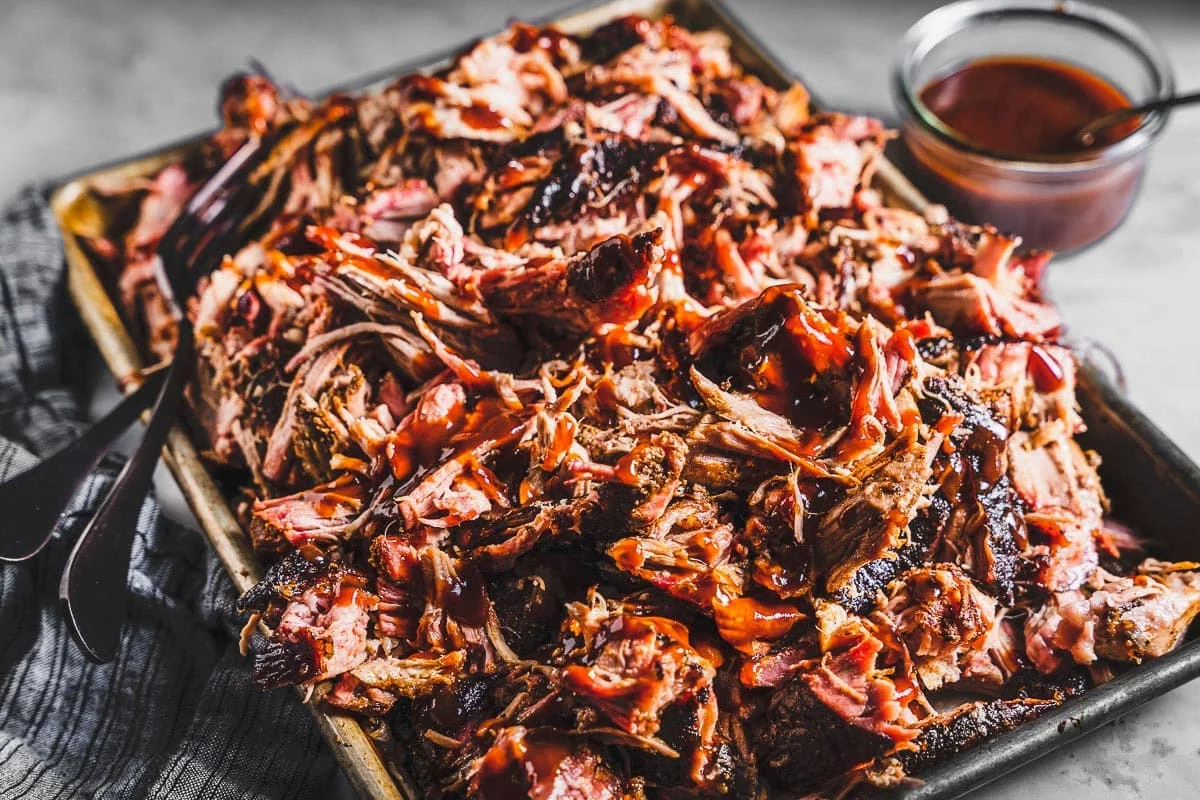
This American-style pulled pork is slow-cooked until tender, then shredded and mixed with a tangy, lightly sweet barbecue sauce. Choose the smoker, slow cooker or oven method to suit your kitchen and the time you have.
Ingredients
- 1.8–3.6 kg (4–8 lb)pork shoulder or pork butt
- 30 ml (2 tbsp), plus more if searingrapeseed or vegetable oil
- to tasteDiamond Crystal kosher salt
- 25 g (2 tbsp), packedbrown sugar
- 30 ml (2 tbsp)smoked paprika
- 15 ml (1 tbsp)dark chilli powder
- 15 ml (1 tbsp)ground black pepper
- 360 ml (1½ cups)ketchup
- 30 ml (2 tbsp)molasses
- 30 ml (2 tbsp)Worcestershire sauce
- 60 ml (¼ cup)cider vinegar
- 2.5 ml (½ tsp), optionalhot sauce
- 1.25 ml (¼ tsp)salt
- 1.25 ml (¼ tsp)pepper
- 45 ml (3 tbsp)brown sugar; or regular sugar, maple syrup or honey
- 5 ml (1 tsp), optionalliquid smoke
Instructions
- 1
Score the pork
While the pork is cold, use a sharp knife to score a 2.5 cm (1-inch) crosshatch into the fat cap without cutting into the meat. To shorten the cooking time, you can cut the pork in half.
- 2
Season the meat
Set the pork on a baking tray and pat it dry with kitchen paper. Drizzle with a little neutral oil and rub it over the meat. Mix the dry rub ingredients in a small bowl, then distribute them over every side and into the crevices, starting underneath and finishing with the fat cap.
- 3
Dry brine overnight
Cover the tray with cling film and refrigerate for 24 to 48 hours. Take the pork out of the fridge 1 hour before cooking.
- 4
Prepare the smoker
Heat the smoker to 121°C (250°F) and set it up for indirect cooking, following the manufacturer's instructions. Use apple or cherry wood for smoke and have a water-filled drip pan in place.
- 5
Smoke and wrap
Put the pork in the smoker fat side up and cook until its internal temperature reaches 74°C (165°F). Wrap it tightly in foil, return it to the smoker and cook until it reaches 95°C (203°F), allowing about 60 to 90 minutes per pound depending on the size of the joint.
- 6
Rest the pork
Take the pork out of the smoker and let it rest in the foil for 1 hour before unwrapping and shredding.
- 7
Sear the pork
Heat a large frying pan over medium-high heat with about 15 ml (1 tbsp) of rapeseed oil. Sear the pork for about 2 minutes on each side, taking care not to let the sugar and spices burn.
- 8
Slow-cook gently
Put the pork in the slow cooker, set it to low and cover. Cook until the internal temperature reaches 95°C (203°F), about 5 to 8 hours; start checking at around 5 hours.
- 9
Heat the oven
Set the oven to 121°C (250°F), or its lowest setting, with a rack in the lower-middle position. Line a baking tray, deep-rimmed tray or Dutch oven with foil and set a wire rack inside.
- 10
Position the pork
Place the pork on the wire rack with the fat cap facing up. Keeping the meat off the bottom of the roasting vessel helps it cook more evenly.
- 11
Roast until tender
Roast until the internal temperature reaches 74°C (165°F). Cover the roasting vessel tightly with foil, return it to the oven and continue cooking until the pork reaches 95°C (203°F), allowing about 60 to 90 minutes per pound.
- 12
Rest the pork
Remove the pork from the oven and rest it in the foil for 1 hour before unwrapping and shredding.
- 13
Simmer the sauce
While the pork rests, whisk all the barbecue sauce ingredients together in a medium saucepan over medium-low heat until the sugar dissolves. Turn the heat to low and simmer for 10 to 15 minutes, until slightly thickened. Taste and adjust with more sugar, vinegar, salt or hot sauce as desired.
- 14
Shred and dress
While the pork is still warm, pull it apart with two forks. Mix the bark, fat cap and juicy shredded meat together with about 240 ml (1 cup) of barbecue sauce.
- 15
Serve with sauce
Serve the pulled pork with extra barbecue sauce on the side.
What is pulled pork?
Pulled pork is a US barbecue preparation in which a well-seasoned pork shoulder is cooked slowly until it can be pulled into strands with forks. It is associated with Southern American barbecue, where low heat and long cooking turn a tough cut into tender, juicy meat.
This version builds flavour with an overnight dry brine, then offers three cooking routes: smoker, slow cooker or oven. A simple ketchup-based sauce adds sweetness and tang after the meat is cooked.
Nutrition and macros by portion
The nutrition label shows one serving as written: 289 calories, 34g protein, 18g carbs, 9g fat.
| Portion | Adjustment | kcal | Protein | Carbs | Fat |
|---|---|---|---|---|---|
| Lighter | Less sauce, leaner portion | 202 kcal | 24g | 13g | 6g |
| This serving | As written | 289 kcal | 34g | 18g | 9g |
| Hungry | Larger pork portion | 434 kcal | 51g | 27g | 14g |
The pork supplies most of the protein, while the ketchup and sugars provide much of the carbohydrate. The pork and added oil account for most of the fat; serving it with vegetables or salad is a practical way to round out the plate.
Choosing and seasoning the pork
The cut: Pork shoulder and pork butt are both suitable, and the recipe allows a wide range of joint sizes. A larger piece will need longer to reach the stated internal temperatures.
The dry brine: Scoring the fat cap gives the seasoning more places to settle, while refrigerating the seasoned pork for 24 to 48 hours gives the salt and spices time to flavour the surface. Keep the meat covered during this rest.
Getting the texture right
The temperature: The recipe uses 74°C (165°F) as the point to wrap the meat, then cooks it to 95°C (203°F). A thermometer gives a more useful doneness check than relying on the clock alone.
The rest: Leave the cooked pork wrapped for 1 hour before shredding. The meat should still be warm when you pull it apart with two forks.
Choosing a cooking method
Smoker: Cook over indirect heat at 121°C (250°F), with apple or cherry wood and a water-filled drip pan. Wrapping the pork in foil after it reaches 74°C (165°F) keeps the cook moving towards the final temperature.
Slow cooker: Searing the pork first adds colour, but keep it to about 2 minutes per side so the sugar and spices do not burn. Cook covered on low and begin checking the temperature at about 5 hours.
Oven: A wire rack lifts the pork off the base of the roasting vessel for more even cooking. As with the smoker method, cover the joint with foil after it reaches 74°C (165°F).
Making the barbecue sauce
The balance: Ketchup and brown sugar bring sweetness, while cider vinegar and Worcestershire sauce contribute tang and savouriness. Hot sauce and liquid smoke are optional additions.
The finish: Simmer gently for 10 to 15 minutes, whisking until the sugar dissolves and the sauce thickens slightly. Taste at the end and adjust the listed seasonings to your liking.
Shredding and serving
The mix: Pull the pork while it is warm, then combine the tender strands with the bark, fat cap and about 240 ml (1 cup) of sauce. This brings the seasoned exterior and juicy meat together in each serving.
The plate: Serve with more sauce alongside. Coleslaw, a crisp green salad or vegetables can add a fresh contrast to the rich, sweet-and-tangy pork.
Recipe notes & tips
- Use a thermometer to check the pork rather than judging doneness by cooking time alone.
- Keep the fat cap facing upwards for the smoker and oven methods.
- Start the slow-cooker temperature checks at about 5 hours, as cooking time depends on the joint.
- Be careful when searing: the sugar and spices can scorch if the pork stays in the pan too long.
- Make the sauce while the cooked pork rests so it is ready for shredding.
- If cooking a large joint, cutting it in half can speed up cooking, as noted in the method.
Variations
- Smoker route: Use apple or cherry wood for the smoke and follow the smoker's instructions for indirect heat.
- Slow-cooker route: Sear the pork before placing it in the cooker for the low-and-slow method.
- Oven route: Roast on a wire rack, with the meat lifted above the bottom of the pan.
- Sugar swap: Use regular sugar, maple syrup or honey instead of the sauce's brown sugar.
- Extra heat: Add the optional hot sauce to the barbecue sauce and adjust to taste.
- Smokier sauce: Stir in the optional liquid smoke for a smoky note when using the oven or slow cooker.
Common mistakes to avoid
- Cutting into the meat while scoring: Score only the fat cap so the knife does not slice into the flesh.
- Skipping the rest: Keep the pork wrapped for the full 1-hour rest before shredding.
- Over-searing: Limit the sear to about 2 minutes per side so the sugar and spices do not burn.
- Relying only on the clock: Check the internal temperature, since joint size affects cooking time.
- Putting oven pork on the pan base: Use a wire rack to keep it off the bottom of the roasting vessel.
- Adding all the sauce at once: Start with about 240 ml (1 cup) for the shredded pork and serve the rest on the side.
How to store
Refrigerate leftover pork in a covered container once cooled, and use within 3 to 4 days. Reheat until piping hot, adding a little reserved barbecue sauce if the meat seems dry.
Frequently asked questions
Can I use pork shoulder instead of pork butt?
Yes. The recipe lists either pork shoulder or pork butt, and both are suitable for slow cooking and shredding.
How long does pulled pork take to cook?
The slow-cooker method takes about 5 to 8 hours on low. The smoker and oven methods allow about 60 to 90 minutes per pound, but check the internal temperature because the joint size affects timing.
Do I need to dry brine the pork overnight?
The method calls for refrigerating the seasoned pork for 24 to 48 hours. This gives the dry rub time to sit on the meat before cooking.
What temperature should pulled pork reach?
For the smoker and oven methods, wrap the pork at 74°C (165°F) and continue cooking to 95°C (203°F). The slow-cooker method cooks to 95°C (203°F).
Can I make this without a smoker?
Yes. The recipe includes both a slow-cooker and an oven method. Liquid smoke is listed as an optional sauce ingredient for a smoky flavour.
Can I prepare the pork ahead?
Yes. The pork can be seasoned and refrigerated for 24 to 48 hours before cooking. You can also prepare the barbecue sauce while the cooked pork rests.
Cook it from the original
This recipe comes from saltpepperskillet.com. Their page has the author’s own photos, notes and tips — the best place to cook it from.
Open the recipe on saltpepperskillet.com