
Pineapple mimosa brunch cocktail recipe
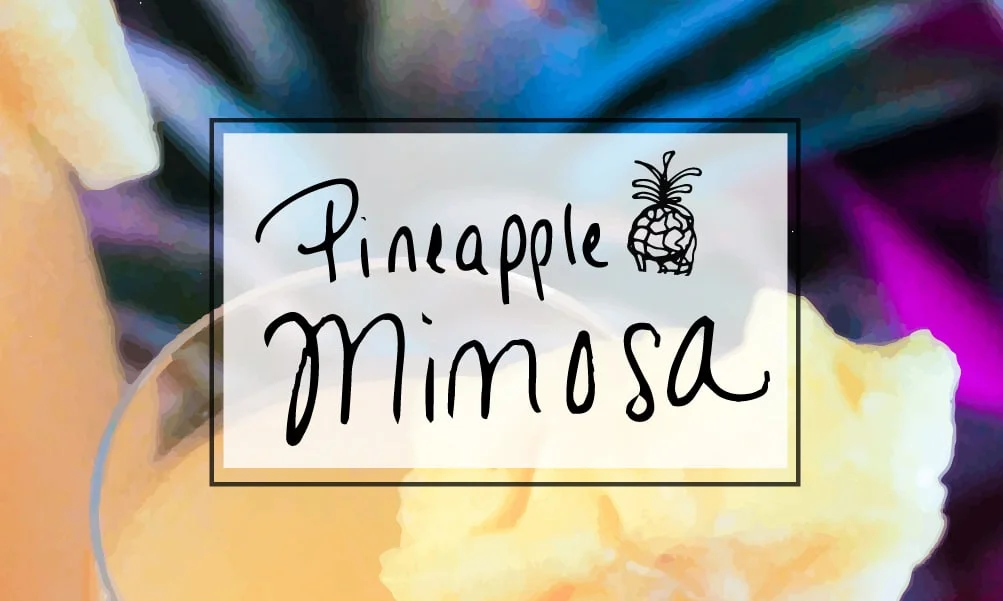
This pineapple mimosa swaps the usual orange juice for pineapple juice, bringing a tropical twist to a familiar brunch cocktail. It takes just minutes to pour and garnish.
Ingredients
- 1 bottlepineapple juice
- 1 bottleChampagne
- 75 ml (½ cup)fresh pineapple or strawberries, to garnish
Instructions
- 1
Pour the Champagne
Fill Champagne glasses halfway with sparkling wine.
- 2
Add the juice
Top up each glass with pineapple juice.
- 3
Garnish the glasses
Finish with fresh fruit, such as strawberries or pineapple.
What is a pineapple mimosa?
A mimosa is a brunch cocktail made by combining sparkling wine with fruit juice. This version replaces the classic orange juice with pineapple juice for a sweeter, tropical-flavoured variation.
The recipe keeps the preparation simple: pour the sparkling wine first, add juice to fill, then garnish with fresh fruit.
Nutrition and macros by portion
The nutrition label shows one serving as written: 102 calories, 1g protein, 5g carbs, 1g fat.
| Portion | Adjustment | kcal | Protein | Carbs | Fat |
|---|---|---|---|---|---|
| Lighter | Use more sparkling wine | 71 kcal | 1g | 4g | 1g |
| This serving | As written | 102 kcal | 1g | 5g | 1g |
| Hungry | Serve with brunch | 153 kcal | 2g | 8g | 2g |
The pineapple juice contributes most of the carbohydrate, while the sparkling wine supplies most of the drink's energy and alcohol; the fruit garnish adds only a small amount. Protein and fat are minimal in this cocktail, so pair it with a protein-rich brunch dish and some fruit or vegetables for a more substantial plate.
Choosing the ingredients
Pineapple juice: Choose a juice you enjoy on its own, since its sweetness and acidity will shape the cocktail. Chill it before mixing so the drink is ready to serve straight away.
Sparkling wine: Champagne is specified, though another dry sparkling wine can work if you prefer. Keep the bottle chilled and open it just before pouring.
Pouring without losing the bubbles
Sparkling wine first: Fill each glass halfway, pouring gently down the inside of the glass to limit foaming. Add the pineapple juice slowly afterwards.
Room to top up: The recipe gives no exact glass size, so pour the juice until the glass is full rather than measuring a fixed amount per serving.
Getting the balance right
Taste the juice before mixing. If it is very sweet, use a drier sparkling wine; if you want a fruitier drink, add a little more juice to your glass.
Avoid stirring vigorously, as that can flatten the sparkling wine. A gentle turn with a cocktail spoon is enough if the ingredients need blending.
Garnishing and serving
Fresh pineapple or strawberries provide a colourful finish and a little fresh-fruit aroma. Cut the fruit into pieces that are easy to place on the rim or drop into the glass.
Serve as soon as the drinks are mixed, alongside brunch dishes such as eggs, pastries or a fresh fruit platter.
Timing and preparation
The cocktail takes about 5 minutes to assemble, with no cooking or special equipment required. Chill the juice, sparkling wine and glasses ahead of time if you want the drinks cold without adding ice.
For a group, prepare the fruit garnish in advance, but pour each glass close to serving so the bubbles stay lively.
Recipe notes & tips
- Chill the juice and sparkling wine before mixing.
- Pour the sparkling wine gently to preserve its fizz.
- Add the juice gradually so you can adjust the fruit-to-wine balance.
- Cut the garnish into pieces that fit the glass or sit neatly on its rim.
- Make each glass just before serving for the liveliest bubbles.
Variations
- Try another juice: Replace some or all of the pineapple juice with orange or grapefruit juice.
- Use another sparkling wine: Choose a dry sparkling wine in place of Champagne.
- Add a citrus note: Garnish with a thin strip of lime or lemon alongside the fruit.
- Make it less sweet: Use a dry sparkling wine and add pineapple juice a little at a time.
- Change the garnish: Use a small wedge of fresh pineapple or a strawberry on each glass.
Common mistakes to avoid
- Pouring too quickly: The sparkling wine can foam over; pour slowly down the side of the glass.
- Mixing too early: The drink loses its fizz while waiting; assemble it just before serving.
- Using warm ingredients: The cocktail can feel less refreshing; chill the juice and wine first.
- Adding too much juice at once: The wine-to-juice balance is harder to adjust; top up gradually.
- Over-stirring: Vigorous mixing knocks out bubbles; give the drink only a gentle turn if needed.
How to store
These mimosas are best enjoyed as soon as they are mixed, since the sparkling wine quickly loses its fizz. Keep unopened bottles chilled; refrigerate any leftover juice separately and use it according to its label.
Frequently asked questions
Can I make pineapple mimosas ahead of time?
Prepare and chill the ingredients and garnish ahead, but combine them just before serving so the sparkling wine retains its bubbles.
Can I use sparkling wine instead of Champagne?
Yes. A dry sparkling wine is a suitable alternative and works well with pineapple juice.
How much juice should I pour into each glass?
The recipe does not give a fixed amount per glass. Fill each glass halfway with sparkling wine, then top it up with pineapple juice.
Should I stir the cocktail?
It is not essential. If the juice and wine look separated, give the drink one gentle turn rather than stirring vigorously.
What fruit works for the garnish?
Fresh pineapple or strawberries are suggested. Cut either into small pieces that suit the glass.
Cook it from the original
This recipe comes from sipbitego.com. Their page has the author’s own photos, notes and tips — the best place to cook it from.
Open the recipe on sipbitego.com