
Guinea pig stew
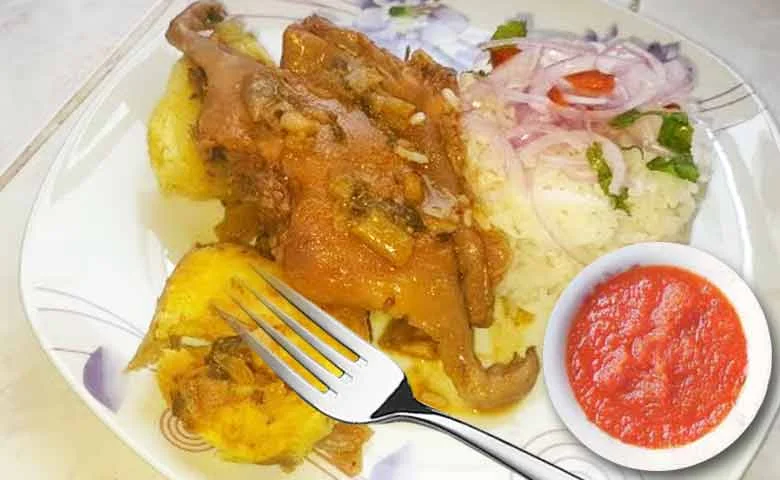
Peruvian guinea pig stew combines browned cuy, a chilli-based onion aderezo and tender yellow potatoes in a savoury broth. It is a hearty, slow-simmered dish for a meal with distinctive Andean flavours.
Ingredients
- 1whole guinea pig, cleaned and cut into pieces
- 4 largeyellow potatoes
- 1red onion, finely chopped
- 2 clovesgarlic, ground
- 1 tablespoonground ají panca
- 1 tablespoonground ají amarillo
- 120 mlchicken or beef stock
- 1 teaspoondried oregano
- 1 sprig (optional)mint
- to tastevegetable oil
- to tastesalt and black pepper
Instructions
- 1
Prepare the cuy
Rinse the guinea pig pieces, pat them dry, then rub them with salt and pepper.
- 2
Brown the meat
Heat oil in a pot and brown the pieces on all sides to seal them. Lift them out and set aside.
- 3
Make the aderezo
In the same pot, fry the onion, garlic, ají panca and ají amarillo until the mixture takes on colour.
- 4
Simmer the cuy
Return the pieces to the pot and mix them with the aderezo. Pour in the stock and cook over a low heat for 40 minutes.
- 5
Add the potatoes
Peel the potatoes and cut them in half, then add them to the pot. Cook for a further 15 minutes, or until tender.
- 6
Finish the stew
Adjust the seasoning and add the oregano and mint just before turning off the heat.
What is Peruvian guinea pig stew?
Cuy, or guinea pig, has a long place in Andean food traditions and is eaten in several parts of Peru. This stew pairs it with potatoes and a cooked chilli-and-onion aderezo.
The method first browns the meat, then simmers it so it can take on the savoury, gently spiced flavours of the sauce.
Nutrition and macros by portion
The nutrition label shows one serving as written: 450 calories, 0g protein, 0g carbs, 0g fat.
| Portion | Adjustment | kcal | Protein | Carbs | Fat |
|---|---|---|---|---|---|
| Lighter | Less oil, more greens | 315 kcal | 0g | 0g | 0g |
| This serving | As written | 450 kcal | 0g | 0g | 0g |
| Hungry | Larger portion of potatoes | 675 kcal | 0g | 0g | 0g |
The potatoes provide most of the carbohydrates, while the cuy contributes protein and some fat; vegetable oil also adds fat. For a more balanced plate, serve a portion of stew with a generous side of vegetables or salad.
Building the aderezo
Chilli base: Ají panca brings a deep, earthy flavour, while ají amarillo adds its own fruity warmth. Cooking both with the onion and garlic helps them become part of the sauce rather than sit separately in it.
Same pot: The browned bits left behind by the meat enrich the onion mixture as it fries.
Browning and simmering
Browning: Work in batches if needed so the pieces have room to colour rather than crowding the pot. Set them aside while you make the aderezo.
Gentle heat: Once the stock is added, keep the stew at a low simmer for the stated 40 minutes. The recipe gives the cooking time but not a separate temperature or meat doneness check.
Getting the potatoes right
Cut size: Halving the peeled potatoes gives them time to soften during the final 15 minutes without adding them at the start of the simmer.
Doneness: Check that a potato is tender before serving. If it needs longer, continue cooking until soft.
Seasoning and herbs
Final adjustment: Taste the broth after the potatoes have cooked and adjust the salt and pepper to suit. The stock and seasoning both contribute to the final flavour.
Fresh finish: Add the oregano and optional mint just before switching off the heat, as directed, to keep their flavours noticeable.
Serving the stew
Serve the cuy and potatoes with some of the chilli-rich broth in each portion. A simple salad or cooked greens can add freshness alongside the hearty stew.
Make sure each serving includes a mix of meat, potato and sauce rather than filling the plate with only one component.
Recipe notes & tips
- Pat the cuy dry before seasoning to help it brown in the pot.
- Brown the pieces in batches if the pot is crowded.
- Keep the heat low during the 40-minute simmer.
- Cut the potatoes into even halves so they cook at a similar pace.
- Taste the broth before serving and adjust the seasoning.
- Leave out the mint if you prefer a simpler herbal finish.
Variations
- Use beef stock: Choose it instead of chicken stock for a deeper savoury base.
- Adjust the chilli: Use less of either ground chilli for a milder aderezo.
- Add more mint: Use the optional sprig for a more pronounced fresh herbal note.
- Serve with greens: Add cooked greens on the side for freshness and colour.
Common mistakes to avoid
- Wet meat: It can be harder to brown; pat the pieces dry before adding them to the pot.
- Crowded pot: The meat may steam rather than colour; brown it in batches.
- Rushed aderezo: The onion and chilli mixture needs to cook until it takes on colour, as described.
- Potatoes added too early: They may become overly soft; add them after the 40-minute simmer.
- Skipping the final taste: Adjust the seasoning before serving, after the potatoes have cooked.
How to store
Refrigerate cooled leftovers in a covered container and use within 2 days. Reheat gently in a covered pan until piping hot throughout, adding a little water or stock if the sauce has thickened.
Frequently asked questions
Can I use chicken or beef stock?
Yes. The recipe allows either chicken or beef stock; use 120 ml of whichever you prefer.
Do I have to add the mint?
No, it is optional. Add the sprig at the end if you want its fresh herbal flavour.
How long does the cuy simmer?
Simmer it in the stock for 40 minutes, then add the potatoes and cook for a further 15 minutes or until tender.
How can I tell when the potatoes are ready?
They should be soft when tested. If they are still firm after 15 minutes, cook them longer until tender.
Can I prepare the aderezo in a separate pan?
The method uses the same pot as the browned meat, which lets the onion mixture pick up the flavour left in the pot.
Cook it from the original
This recipe comes from recetascocinaperuana.com. Their page has the author’s own photos, notes and tips — the best place to cook it from.
Open the recipe on recetascocinaperuana.com