
Easy Teriyaki Chicken Breasts
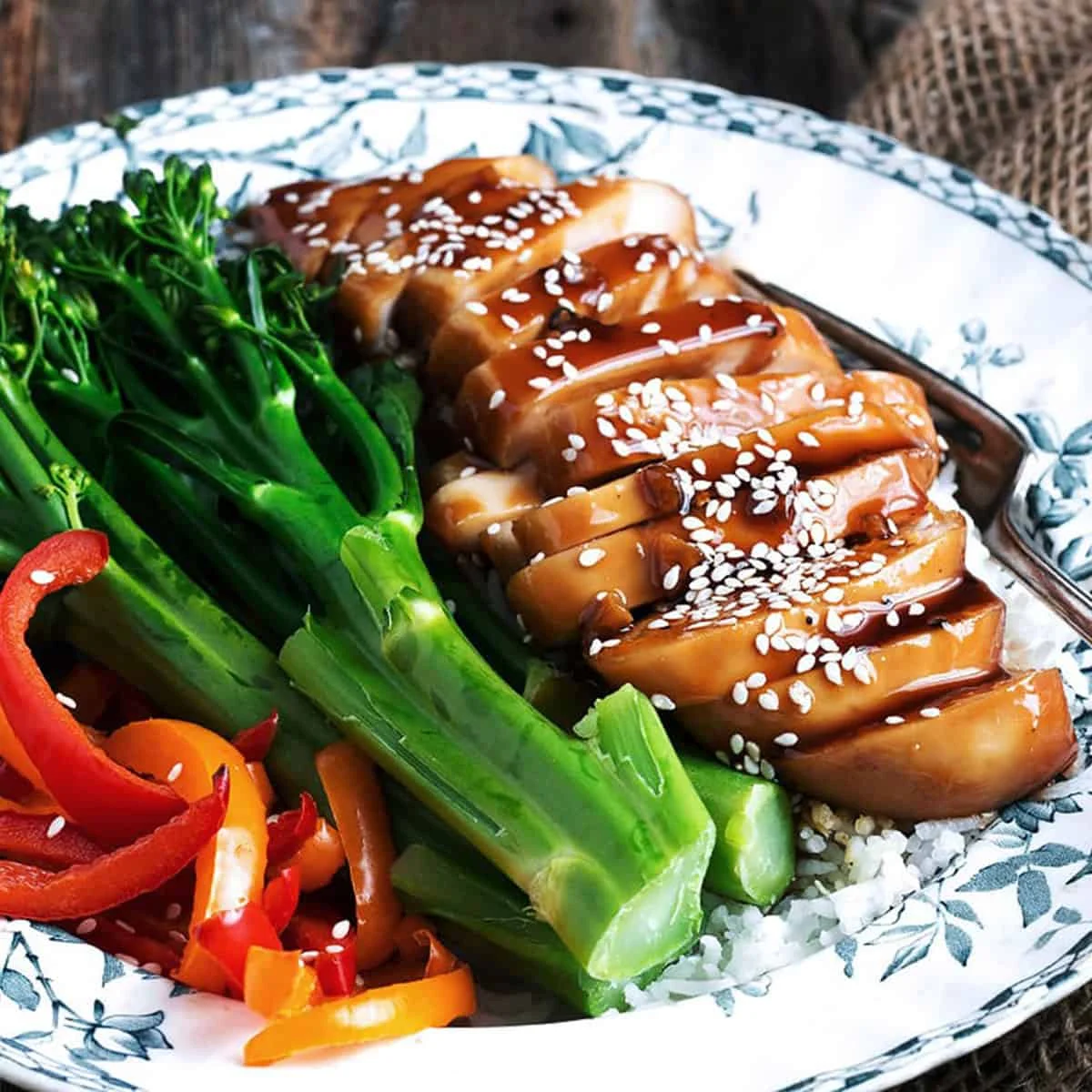
These oven-baked teriyaki chicken breasts are marinated in a sweet, savoury sauce, then finished with a glossy glaze. The one-pan method makes them a straightforward dinner for a weeknight, with time to marinate doing most of the work.
Ingredients
- 120 ml (½ cup)low-sodium soy sauce, recommended
- 100 g (½ cup)white granulated sugar
- 1 teaspoon (about 4 g)brown sugar
- 3 clovesgarlic, crushed
- 1 tablespoon (about 6 g)fresh ginger, minced, or ginger paste
- To tastefreshly ground black pepper
- 1 tablespoon (15 ml)pineapple juice, or 1 teaspoon (5 ml) white or rice vinegar
- 120 ml (½ cup)water
- 3skinless, boneless chicken breasts
- 1 tablespoon (about 8 g)cornstarch
- 1 tablespoon (15 ml)water
Instructions
- 1
Make the sauce
Put the soy sauce, both sugars, garlic, ginger, black pepper and pineapple juice or vinegar in a small saucepan. Bring to the boil over high heat, then turn the heat to low and stir until the sugar dissolves, about 3 minutes. Take the pan off the heat and let the sauce cool completely before stirring in 120 ml (½ cup) water.
- 2
Marinate chicken
Place the chicken breasts in a sealable bag and pour in the cooled soy sauce mixture. Seal the bag, turn it to coat the chicken and refrigerate. Marinate for at least 1 hour if possible; 4–6 hours is better, and 8–10 hours or overnight gives it longer to absorb the flavours.
- 3
Thicken marinade
Take the chicken out of the bag and set it aside. Pour the marinade into a small saucepan and bring it to the boil over high heat, then reduce the heat to low. Stir the cornstarch and 1 tablespoon water together, add the mixture to the pan and stir until the sauce starts to thicken. Remove from the heat.
- 4
Bake the chicken
For the oven-baked method, heat the oven to 200°C, using the regular bake setting rather than fan-assisted. Arrange the chicken on a baking sheet and lightly brush the tops with sauce. Add any vegetables in a single layer if desired. Bake, turning once, for about 20–25 minutes, until cooked through and the centre reaches 74°C on an instant-read thermometer.
- 5
Broil the chicken
For the broiled method, preheat the broiler for 6–8 minutes. Lightly brush the chicken all over with sauce and broil about 15 cm from the heat for approximately 3 minutes per side. Check that the centre reaches 74°C on an instant-read thermometer.
- 6
Rest and serve
Let the chicken rest for a few minutes, then slice it. Serve with warm sauce drizzled over the top and sesame seeds as a garnish if desired.
What is teriyaki chicken?
Teriyaki is a Japanese cooking style in which food is grilled or broiled with a shiny, sweet-savoury glaze. This version uses a soy-based marinade with sugar, garlic and ginger, then thickens some of the marinade into a sauce.
Here the chicken is baked in the oven, making the method convenient for a home-cooked dinner. Turning the breasts partway through helps them cook evenly, while the glaze brings the teriyaki flavour to the finished dish.
Nutrition and macros by portion
The nutrition label shows one serving as written: 304 calories, 28g protein, 41g carbs, 3g fat.
| Portion | Adjustment | kcal | Protein | Carbs | Fat |
|---|---|---|---|---|---|
| Lighter | More vegetables, less sauce | 213 kcal | 20g | 29g | 2g |
| This serving | As written | 304 kcal | 28g | 41g | 3g |
| Hungry | Add rice and vegetables | 456 kcal | 42g | 62g | 5g |
The chicken provides most of the protein, while the sugar and any rice served alongside contribute much of the carbohydrate. The soy sauce and small amount of cooking fat contribute to the overall flavour and sodium; serve with plenty of vegetables and a measured portion of rice to round out the plate.
Building the sauce
Sugar and soy: white and brown sugars give the soy sauce its sweetness and help it form a glossy glaze. Low-sodium soy sauce is recommended in the ingredient list; the finished sauce will still taste savoury.
Aromatics: crushed garlic and minced ginger add a fragrant, warm edge. Pineapple juice brings a fruity note, while the listed vinegar alternative gives the sauce a sharper tang.
Cool the marinade first
Safety first: let the cooked sauce cool completely before adding the water and combining it with raw chicken. This keeps the raw chicken from coming into contact with warm sauce.
Separate the finish: once the chicken has been removed, boil the marinade and thicken it with the cornstarch mixture. This step prepares it to serve as a glaze.
Marinating time
Minimum time: an hour gives the chicken some time in the sauce, but longer is better if your schedule allows. The recipe suggests 4–6 hours as a good target and 8–10 hours or overnight for the longest marination.
Plan ahead: the listed total time is 160 minutes, though the stated marinating window can extend beyond that. Follow the time that suits your schedule, keeping the chicken refrigerated while it marinates.
Check for doneness
Oven cues: bake at 200°C and turn the chicken once, after about 20–25 minutes in total. The most reliable check is that the centre reaches 74°C on an instant-read thermometer.
Broiler cues: the alternative method cooks the chicken quickly, about 3 minutes per side, roughly 15 cm from the heat. Check the centre temperature rather than relying on colour alone.
Serving ideas
Vegetables: the recipe allows vegetables to bake alongside the chicken in a single layer. Choose pieces that can cook in the same time, or cook them separately if they need longer.
On the plate: spoon warm sauce over sliced chicken and add sesame seeds if you like. Rice makes a simple accompaniment for the sweet-savoury glaze, while extra vegetables add colour and variety.
Recipe notes & tips
- Use low-sodium soy sauce as suggested if you want a less salty-tasting sauce.
- Make sure the sauce has cooled fully before it goes into the bag with the raw chicken.
- Turn the chicken once during baking so both sides cook evenly.
- Use an instant-read thermometer to check the thickest part of each breast.
- Keep the chicken in a single layer on the baking sheet for the oven method.
Variations
- Use vinegar: swap the pineapple juice for 1 teaspoon white or rice vinegar as listed.
- Add vegetables: arrange vegetables in a single layer on the baking sheet alongside the chicken.
- Finish with sesame: scatter sesame seeds over the sliced chicken before serving.
- Choose broiling: use the quicker broiler method, turning the chicken after about 3 minutes per side.
- Adjust the marinade time: refrigerate for at least 1 hour, or leave it for 4–6 hours or overnight.
Common mistakes to avoid
- Adding warm sauce to raw chicken: cool the sauce completely before mixing it with the chicken.
- Skipping the marinade rest: allow at least 1 hour in the fridge for the chicken to take on some flavour.
- Using the marinade straight from the bag: boil it and thicken it with the cornstarch mixture before serving.
- Guessing doneness by colour: check for 74°C in the centre with an instant-read thermometer.
- Leaving the chicken unturned: turn it once during baking to help it cook evenly.
How to store
Refrigerate leftover chicken and sauce in sealed containers and use within 3 days. Reheat gently until hot throughout, adding a little water to loosen the sauce if needed.
Frequently asked questions
How long should I marinate the chicken?
Marinate for at least 1 hour if you can. The recipe suggests 4–6 hours as a better window and 8–10 hours or overnight for the longest option.
Can I use the broiler instead of baking?
Yes. Preheat the broiler for 6–8 minutes and cook the lightly sauced chicken about 15 cm from the heat for around 3 minutes per side. Check that it reaches 74°C in the centre.
How do I know the chicken is cooked?
Check the thickest part with an instant-read thermometer; it should reach 74°C. The oven method usually takes about 20–25 minutes, but the thermometer reading is the better guide.
Can I use pineapple juice or vinegar?
The recipe allows either 1 tablespoon pineapple juice or 1 teaspoon white or rice vinegar. Use whichever you have available.
Can vegetables cook on the same baking sheet?
Yes, the method suggests adding vegetables in a single layer if desired. Choose vegetables that can cook in a similar time to the chicken.
Can I prepare the sauce ahead?
You can make the sauce in advance, but cool it completely before adding it to the raw chicken. Keep the marinating chicken refrigerated.
Cook it from the original
This recipe comes from seasonsandsuppers.ca. Their page has the author’s own photos, notes and tips — the best place to cook it from.
Open the recipe on seasonsandsuppers.ca