
10+ BEST Sauces for Halibut
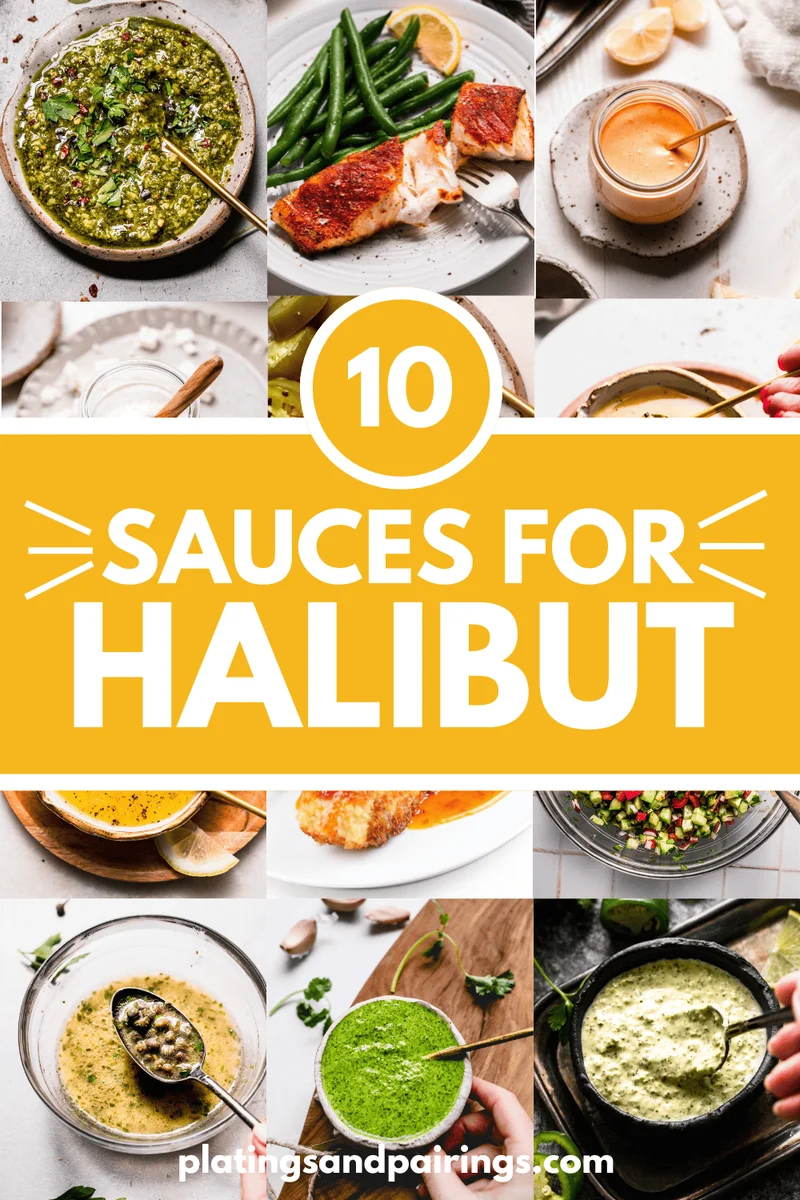
This quick lemon butter sauce combines dry white wine, shallot, lemon and fresh dill for a rich, bright finish to halibut. It comes together on the hob in about 10 minutes and is also handy with other simply cooked fish.
Ingredients
- 180 ml (¾ cup)dry white wine or dry vermouth
- 3 tablespoonsminced shallot
- 2 tablespoonsfreshly squeezed lemon juice
- 113 g (½ cup), cut into 6 piecesunsalted butter
- 1½ tablespoonschopped fresh dill
- to tastesalt and pepper
Instructions
- 1
Reduce the wine
Bring the wine, shallot and lemon juice to the boil in a small saucepan over high heat. Cook until reduced to 60 ml (¼ cup), about 6 minutes.
- 2
Whisk in butter
Turn the heat to low. Add the butter one piece at a time, whisking until each piece has melted before adding the next.
- 3
Add the dill
Take the pan off the heat and stir in the chopped dill.
- 4
Season to taste
Taste the sauce and season with salt and pepper as needed.
What is lemon butter sauce?
This is a quick pan sauce built from wine, shallot, lemon juice and butter, finished with fresh dill. It has the bright, buttery character of a classic French-style fish sauce, though this version is simple enough for a weeknight meal.
The wine and lemon bring sharpness, while whisked-in butter gives the sauce its smooth, rich texture. Dill adds a fresh herbal note that pairs naturally with mild halibut.
Nutrition and macros by portion
The nutrition label shows one serving as written: 124 calories, 1g protein, 1g carbs, 12g fat.
| Portion | Adjustment | kcal | Protein | Carbs | Fat |
|---|---|---|---|---|---|
| Lighter | Use less butter | 87 kcal | 1g | 1g | 8g |
| This serving | As written | 124 kcal | 1g | 1g | 12g |
| Hungry | Serve with extra halibut | 186 kcal | 2g | 2g | 18g |
The butter supplies most of the sauce’s fat, while the wine, shallot and lemon contribute small amounts of carbohydrate; it contains very little protein on its own. Serve it with halibut and vegetables to make a more balanced plate, and spoon over only as much sauce as you want.
Why reduce the wine first?
Reduction: boiling the wine, shallot and lemon juice until they measure 60 ml concentrates their flavour before the butter goes in. Keep an eye on the pan as the liquid nears that amount.
How to add the butter
Small additions: whisk in one piece at a time, letting it melt before adding the next. This gradual approach helps the liquid and butter form a smooth, cohesive sauce.
What texture to look for
Finished sauce: it should look glossy and lightly thickened, without visible pools of separated butter. Take the pan off the heat before stirring in the dill, as the method directs.
Choosing the wine and herbs
Dry wine: choose a dry white wine, or use dry vermouth as the listed alternative. Either provides a savoury, tart base rather than a sweet one.
Fresh dill: chop it shortly before adding so its herbal flavour stays lively. Add salt and pepper at the end, after the sauce has been assembled.
Serving it with halibut
Spoon the sauce over simply cooked halibut just before serving, so its delicate flavour remains easy to taste. It also suits other mild fish or a plate of steamed vegetables.
Recipe notes & tips
- Measure out the butter pieces before you start so they are ready to whisk in.
- Use a small saucepan, as specified, to make it easier to monitor the reduction.
- Keep whisking as each piece of butter melts before adding the next.
- Taste before adding salt, since the sauce will be served with other seasoned food.
- Stir in the dill after removing the pan from the heat.
Variations
- Use vermouth: replace the dry white wine with dry vermouth as an alternative.
- Try another herb: swap the dill for chopped parsley for a different fresh finish.
- Add more lemon: stir in a little extra lemon juice at the end for a sharper flavour.
- Serve with vegetables: spoon the sauce over steamed vegetables alongside the halibut.
- Pair with other fish: use the sauce with another simply cooked mild fish.
Common mistakes to avoid
- Adding all the butter at once: whisk it in one piece at a time so the sauce can come together smoothly.
- Stopping the reduction too early: cook the wine mixture until it has reduced to 60 ml (¼ cup).
- Using high heat for the butter: lower the heat before whisking in the butter.
- Adding dill too soon: remove the pan from the heat first, then stir in the dill.
- Seasoning before tasting: check the finished sauce and adjust salt and pepper to taste.
How to store
Refrigerate leftover sauce in a covered container and use within 2 days. Reheat gently over low heat, whisking; avoid boiling, which can cause the butter sauce to separate.
Frequently asked questions
Can I use dry vermouth instead of white wine?
Yes. Dry vermouth is listed as an alternative to dry white wine in this recipe.
How do I know when the wine mixture is reduced enough?
It should measure about 60 ml (¼ cup), which takes roughly 6 minutes over high heat according to the method.
Why is my sauce separating?
The butter may have been added too quickly or the pan may have been too hot. Whisk in each piece gradually over low heat.
Can I make the sauce ahead?
It is best served freshly made. If you prepare it in advance, refrigerate it and reheat gently while whisking.
What else can I serve this sauce with?
It works with other mild fish and can also be served with steamed vegetables.
Cook it from the original
This recipe comes from platingsandpairings.com. Their page has the author’s own photos, notes and tips — the best place to cook it from.
Open the recipe on platingsandpairings.com