
Arequipa-style beef matasquita
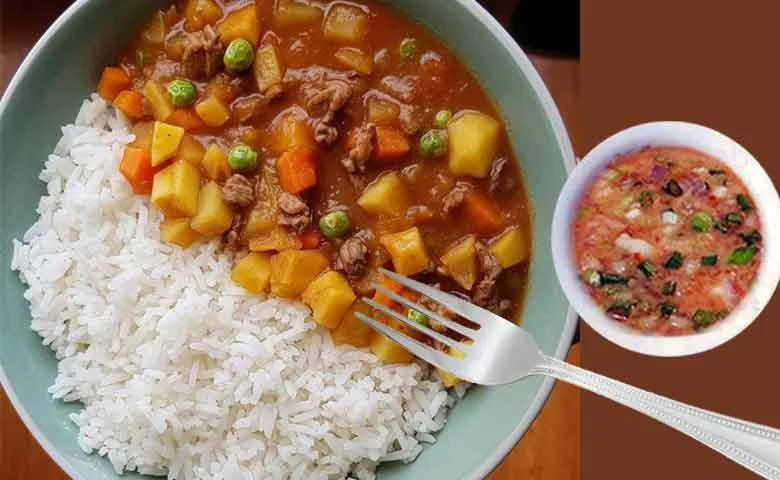
Arequipa-style beef matasquita is a Peruvian stew of small beef pieces and potatoes cooked in a savoury onion, garlic and chilli base. It makes a warming meal, with the potatoes soaking up the flavours of the sauce.
Ingredients
- 600 gbeef (rump or flank), cut into small cubes
- 1red onion, finely diced
- 2 clovesgarlic, ground
- 3 mediumwhite potatoes, peeled and diced
- 2tomatoes, peeled and chopped
- 1 tablespoonground ají panca
- ½ teaspooncumin
- ½ teaspoondried oregano
- to tastevegetable oil
- to tastesalt and pepper
- 120 ml (½ cup)beef stock or water
- to tastechopped coriander, to garnish
Instructions
- 1
Cut the beef
Cut the beef into small, even cubes so they cook uniformly.
- 2
Season the beef
Season the beef with salt, pepper and cumin, then leave it to absorb the flavours for a few minutes.
- 3
Fry the aromatics
Heat oil in a pot and fry the red onion, ground garlic and ají amarillo until the onion is translucent and fragrant.
- 4
Brown the beef
Add the beef to the onion mixture and fry over medium-high heat until the pieces are well browned.
- 5
Add the liquid
Pour in hot water or beef stock to begin cooking the stew and form its sauce.
- 6
Add the potatoes
Stir in the peeled, diced white potatoes.
- 7
Simmer until tender
Cover and cook over medium-low heat for 20–25 minutes, until the beef and potatoes are tender and the sauce has thickened.
- 8
Adjust the seasoning
Taste and adjust the salt and pepper. Add chopped coriander or parsley just before turning off the heat.
- 9
Serve the stew
Serve hot with white rice or boiled yuca. Fried plantain is another suggested accompaniment.
What is Arequipa-style beef matasquita?
Matasquita is a Peruvian stew associated with Arequipa, made with small pieces of meat and potatoes in a seasoned, saucy base. This version combines beef with onion, garlic, chilli and cumin.
Small, evenly cut pieces help the beef and potatoes cook together in the stated simmering time. Serve it with rice or another accompaniment to make a complete meal.
Nutrition and macros by portion
The nutrition label shows one serving as written: 380 calories, 0g protein, 0g carbs, 0g fat.
| Portion | Adjustment | kcal | Protein | Carbs | Fat |
|---|---|---|---|---|---|
| Lighter | Less potato, more vegetables | 266 kcal | 0g | 0g | 0g |
| This serving | As written | 380 kcal | 0g | 0g | 0g |
| Hungry | Larger portion with rice | 570 kcal | 0g | 0g | 0g |
The potatoes provide most of the carbohydrates, while the beef supplies most of the protein and contributes fat. Serve a measured portion with vegetables alongside to balance the plate without changing the stew.
Build the flavour base
Onion and garlic: Fry them in hot oil until the onion is translucent and fragrant, as directed. This gives the stew a savoury foundation.
Chilli: The ingredient list specifies ground ají panca, while the method names ají amarillo. These are different chillies, so use the one you intend to cook with and note the discrepancy when following this version.
Choose and cut the beef
Cut size: Make the beef pieces small and similar in size so they cook evenly. The ingredient list suggests rump or flank; the method also mentions tender cuts such as asiento or loin.
Browning: Add the beef after the aromatics and brown it well over medium-high heat, following the method. Avoid crowding the pot if the pieces are not browning.
Get the sauce and potatoes right
Liquid: The ingredient list calls for 120 ml of stock or water, but the method says to add one cup. Use the quantity you prefer, bearing in mind that more liquid may leave the sauce thinner.
Potatoes: Dice the potatoes so they can cook through during the covered simmer. The stew is ready when the potatoes and beef are tender and the sauce has thickened.
Keep an eye on the timing
The recipe gives a total time of 65 minutes, including preparation. Its stated covered simmer is 20–25 minutes over medium-low heat.
Start checking for tenderness at the end of that simmer. If the pieces are not yet tender, continue cooking and check again rather than relying on the clock alone.
What to serve with it
White rice: This is the suggested accompaniment and works well for catching the sauce.
Other sides: The method also suggests boiled yuca or fried plantain. Finish the stew with chopped coriander or parsley for a fresh touch.
Recipe notes & tips
- Cut the beef and potatoes into evenly sized pieces for more consistent cooking.
- Let the onion turn translucent before adding the beef.
- Brown the beef in batches if the pot is too crowded.
- Use hot stock or water when adding the liquid, as the method specifies.
- Check that both the beef and potatoes are tender before serving.
- Add the chopped coriander or parsley just before turning off the heat.
Variations
- Use ají panca: Follow the ingredient list for a version with ground ají panca.
- Use ají amarillo: Follow the method's chilli choice instead, adjusting to your preferred heat.
- Swap the liquid: Use water instead of beef stock for a simpler base.
- Try a different side: Serve with boiled yuca or fried plantain as suggested.
- Finish with parsley: Use chopped parsley in place of coriander for the fresh garnish.
Common mistakes to avoid
- Uneven beef pieces: Cut them to a similar size so they cook at the same rate.
- Crowded pot: Brown the beef in batches so it fries rather than steams.
- Too much liquid: The method and ingredient list differ; add liquid thoughtfully if you want a thicker sauce.
- Hard potatoes: Keep the pot covered and continue simmering until the potatoes are tender.
- Adding herbs too early: Stir in the chopped coriander or parsley just before switching off the heat.
How to store
Refrigerate leftovers in a covered container and use within 3 days. Reheat gently in a saucepan until piping hot, adding a splash of water if the sauce has thickened too much.
Frequently asked questions
Which chilli should I use?
The ingredient list specifies ground ají panca, whereas the method refers to ají amarillo. Choose one; they are not interchangeable in flavour.
How much stock or water should I add?
The ingredient list gives 120 ml, while the method says one cup. The smaller amount should give a thicker starting sauce; add more only if needed.
Can I use another cut of beef?
Yes. The ingredient list names rump or flank, and the method also mentions tender cuts such as asiento or loin. Cut whichever you use into small, even cubes.
How do I know when the matasquita is ready?
After the covered 20–25-minute simmer, check that the beef and potatoes are tender and that the sauce has thickened.
What can I serve with matasquita?
Serve it with white rice, boiled yuca or fried plantain, as suggested in the method.
Cook it from the original
This recipe comes from recetascocinaperuana.com. Their page has the author’s own photos, notes and tips — the best place to cook it from.
Open the recipe on recetascocinaperuana.com