
King’s cake recipe: how to make a light and fluffy roscón de Reyes
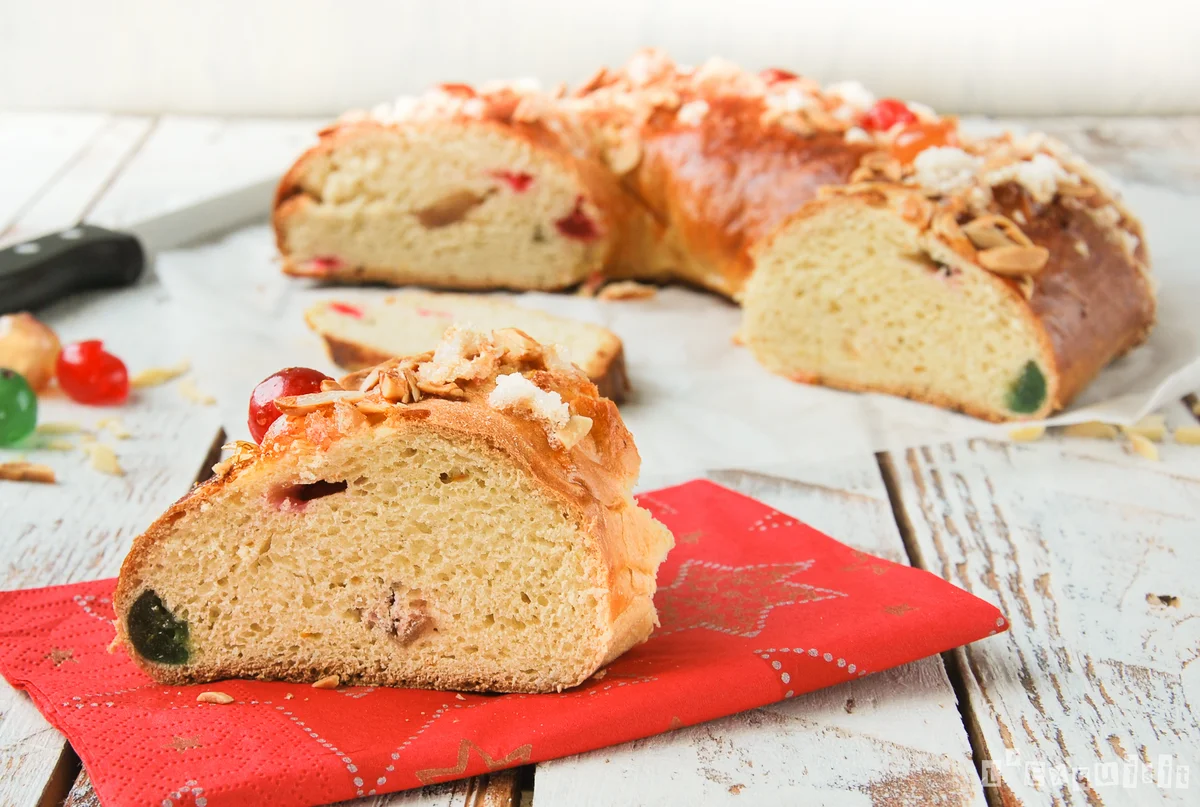
Roscón de Reyes is a sweet, yeasted Spanish ring traditionally served for Three Kings’ Day. This version uses orange-blossom water, lemon zest and candied fruit for a fragrant centrepiece to share.
Ingredients
- 400 gstrong bread flour
- 100 gsugar
- 100 gbutter
- 1 tablespoonfresh yeast (or baker’s yeast)
- 3eggs
- 250 mlmilk
- 1 tablespoonorange-blossom water
- to tastecandied fruit (pumpkin, glacé cherries, orange and lemon)
- to tastegrated lemon zest
- 1dried broad bean
- to tastesmall surprise figurines
- to tastesalt
Instructions
- 1
Make the starter
Dissolve the yeast in 4 tablespoons of lukewarm milk. Add 100 g of the flour gradually, mixing until you have a fairly smooth ball of dough.
- 2
Let it rise
Put the starter in a bowl, cover it with a clean cloth or cling film, and leave it at room temperature for at least 1 hour, until it has doubled in size. Alternatively, refrigerate it overnight.
- 3
Mix the dough
Put the remaining 300 g of flour in a bowl and make a well. Add the 3 eggs, the remaining milk, sugar, grated lemon zest and orange-blossom water; knead, then work in the butter.
- 4
Rest the dough
Leave the dough to rest for about 2 hours so it can develop a firmer consistency.
- 5
Shape the ring
Knead the rested dough together with the starter. Place it on baking paper, make a hole in the centre and turn the dough to shape it into a ring.
- 6
Bake the roscón
Preheat the oven to 180°C. Put the dough in the oven and lower the temperature slightly. Bake for 25–30 minutes, checking with a knife; it is ready when the blade comes out clean.
- 7
Decorate and serve
Decorate with strips of candied fruit and, if desired, brush with beaten egg and sprinkle with sugar. Serve whole on a platter and cut it at the table so everyone can discover the hidden bean or figurine.
What is roscón de Reyes?
Roscón de Reyes is a Spanish sweet bread eaten for Epiphany, or Three Kings’ Day. Its ring shape, candied-fruit decoration and hidden surprises make it a festive centrepiece as well as a dessert.
This version follows a traditional yeasted-dough approach, with a separate starter to help the dough rise. Lemon zest and orange-blossom water give the rich, softly sweet loaf its characteristic fragrance.
Nutrition and macros by portion
The nutrition label shows one serving as written: 740 calories, 16g protein, 105g carbs, 25g fat.
| Portion | Adjustment | kcal | Protein | Carbs | Fat |
|---|---|---|---|---|---|
| Lighter | Smaller slice, less sugar | 518 kcal | 11g | 74g | 18g |
| This serving | As written | 740 kcal | 16g | 105g | 25g |
| Hungry | Larger slice | 1110 kcal | 24g | 158g | 38g |
Most of the carbohydrates come from the flour and sugar, while butter and eggs contribute much of the fat and some protein. Milk and eggs add further protein, though the amount of candied fruit is unspecified; balance a slice with fresh fruit or serve it after a meal with a savoury protein-rich dish.
The flour and starter
Strong flour: its higher gluten content helps the dough hold its shape and form a springy crumb. Add it gradually to the yeast mixture to make the starter easier to combine.
Starter: give it at least an hour at room temperature, or let it rise overnight in the fridge. Look for a noticeable increase in volume before mixing it into the main dough.
Working in the butter
Butter: add it after the eggs, milk, sugar, zest and orange-blossom water have been mixed with the flour. Knead until it is incorporated rather than adding it all at the beginning.
Rest: the main dough needs about 2 hours to develop more body. The method also gives the starter its own rise, so allow plenty of time even though the listed total time is much shorter.
Shaping and hiding the surprises
Ring shape: make a hole in the centre and gently turn the dough to widen it. The shape need not be perfectly round; aim for an even ring so it bakes consistently.
Bean and figurines: the ingredient list includes both, although the main method does not specify exactly when to put them inside. Make sure any surprise you use is suitable for baking and safe to eat around.
How to tell when it is baked
Oven: start at 180°C, then lower the temperature slightly once the roscón goes in. The method does not give a specific lower setting, so keep an eye on the loaf as it bakes.
Doneness: begin checking at 25 minutes and bake for up to 30 minutes. A knife inserted into the loaf should come out clean.
Finishing and serving
Candied fruit: arrange strips of fruit over the roscón for colour and a sweet, chewy contrast to the soft bread. The listed fruit includes pumpkin, glacé cherries, orange and lemon.
At the table: serve the loaf whole and slice it together. Traditionally, the person who finds the figurine gets the crown, while the person who finds the bean is responsible for the next roscón.
What to serve alongside
A slice is satisfying on its own with tea or coffee. For a more substantial festive spread, serve it after a meal with fresh fruit or alongside other small treats.
Recipe notes & tips
- Use lukewarm rather than hot milk when dissolving the yeast.
- Add the flour to the starter gradually to make a smoother mixture.
- Cover the rising dough well so its surface does not dry out.
- If the dough feels difficult to shape, handle it gently and keep turning the ring rather than pulling it sharply.
- Check the loaf from 25 minutes, as oven performance can vary.
- Let everyone know that the bean and figurines are hidden inside before serving.
Variations
- Citrus mix: add orange zest alongside the lemon for a more pronounced citrus aroma.
- Fruit topping: choose a mix of candied pumpkin, cherries, orange and lemon for varied colour and texture.
- Orange blossom: adjust the orange-blossom water to suit your preferred level of fragrance.
- Sugar finish: sprinkle sugar over the top for a sweeter, lightly crisp finish.
- Coconut topping: use a little grated coconut as an alternative finishing sprinkle.
Common mistakes to avoid
- Hot milk: excessive heat can harm the yeast; use lukewarm milk to dissolve it.
- Rushing the rise: the starter should double in volume; give it at least an hour or leave it overnight in the fridge.
- Skipping the dough rest: allow about 2 hours for the main dough to develop more consistency.
- Tearing the dough: shape the ring by turning it gently rather than stretching it abruptly.
- Overbaking: start checking at 25 minutes and remove the loaf when a knife comes out clean.
- Cutting it in advance: serve the roscón whole and slice it at the table to keep the surprise part of the tradition.
How to store
Once cool, wrap the roscón or keep it in an airtight container at room temperature and eat within 2–3 days for the best texture. Warm slices briefly in a low oven if you like; avoid reheating any portion containing a hidden figurine or bean.
Frequently asked questions
How long does roscón de Reyes take to make?
The listed total time is 30 minutes, but the method includes at least 1 hour for the starter and about 2 hours for the main dough to rest. Allow longer if you use the overnight starter option.
Can I leave the starter overnight?
Yes. Cover it and leave it in the fridge overnight, as described in the method.
Can I use dried baker’s yeast?
The ingredient list allows baker’s yeast as an alternative to fresh yeast, but does not specify a separate dried-yeast quantity. Follow the conversion instructions on your yeast packet.
How do I know the roscón is baked through?
Start checking after 25 minutes. Insert a knife into the loaf; it is ready when the blade comes out clean.
When should I hide the bean and figurines?
The ingredient list includes them, but the main method does not give a step for inserting them. Use only baking-safe, food-safe items, and make guests aware that surprises are inside.
Can I make the dough by hand?
Yes. The main method is a hand-prepared version, with the starter and dough mixed and kneaded in bowls before shaping.
Cook it from the original
This recipe comes from saborgourmet.com. Their page has the author’s own photos, notes and tips — the best place to cook it from.
Open the recipe on saborgourmet.com