
Peruvian chicken teriyaki
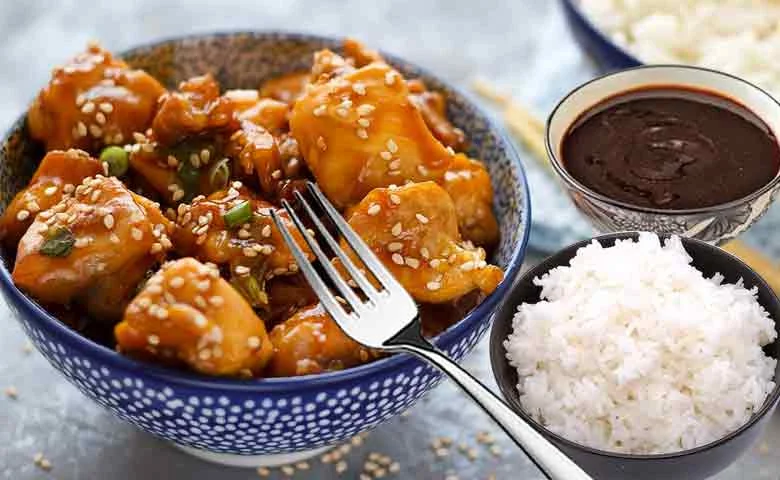
This Peruvian-style chicken teriyaki pairs juicy chicken with a glossy sweet-and-savoury sauce, served over white rice or Peruvian chaufa. It’s a good choice when you want a comforting rice bowl with plenty of ginger, garlic and sesame flavour.
Ingredients
- 4skinless, boneless chicken breast fillets
- 45 ml (3 tablespoons)soy sauce
- 30 ml (2 tablespoons)honey or soft brown sugar
- 15 ml (1 tablespoon)rice vinegar, or mild white vinegar
- 2 clovesgarlic, chopped
- 5 ml (1 teaspoon)fresh ginger, grated
- 30 ml (2 tablespoons)vegetable or sesame oil
- 5 ml (1 teaspoon), mixed with 30 ml (2 tablespoons) watercornflour
- 120 ml (½ cup)water or chicken stock
- to tastesalt and pepper
- to tastetoasted sesame seeds
- to tastespring onion greens, finely chopped
- to servewhite rice or Peruvian chaufa rice
Instructions
- 1
Mix the sauce
In a small bowl, combine the soy sauce, honey or soft brown sugar, vinegar, garlic, grated ginger and 120 ml (½ cup) water or stock. Stir until the sugar has dissolved.
- 2
Marinate the chicken
Put the chicken breasts in a dish and pour over half of the sauce. Leave to marinate for at least 30 minutes, or for an hour if you have the time.
- 3
Brown the chicken
Heat the oil in a large frying pan or wok over a medium heat. Lift the chicken out of the marinade, reserving the liquid, and brown it on both sides until lightly caramelised and cooked through.
- 4
Thicken the sauce
Add the reserved sauce and the cornflour mixture to the same pan. Cook over a medium-low heat, stirring continuously, until the sauce thickens and looks glossy and sticky.
- 5
Serve the chicken
Slice the chicken into strips and serve it over white rice or chaufa. Finish with toasted sesame seeds and finely chopped spring onion greens.
What is Peruvian chicken teriyaki?
This dish brings together chicken in a sweet-and-savoury teriyaki-style sauce and the rice-centred serving style associated with Peruvian home cooking. Teriyaki is Japanese in origin; this version is presented as a Peruvian-style combination rather than a traditional Peruvian preparation.
The homemade sauce, ginger and garlic give the chicken its flavour, while a cornflour mixture helps it cling to each piece. Rice or chaufa makes the dish a filling meal.
Nutrition and macros by portion
The nutrition label shows one serving as written: 420 calories, 0g protein, 0g carbs, 0g fat.
| Portion | Adjustment | kcal | Protein | Carbs | Fat |
|---|---|---|---|---|---|
| Lighter | Use less rice | 294 kcal | 0g | 0g | 0g |
| This serving | As written | 420 kcal | 0g | 0g | 0g |
| Hungry | Add more rice | 630 kcal | 0g | 0g | 0g |
The chicken provides most of the protein, while the rice supplies most of the carbohydrates. Oil and sesame seeds contribute fat, and the sauce adds some from the sesame oil if you choose it. Serve with a generous portion of vegetables alongside the rice to round out the plate.
The sauce ingredients
Sweet and savoury: Honey or soft brown sugar balances the soy sauce and vinegar. Dissolving the sugar before cooking gives the sauce an even start.
Aromatic base: Fresh ginger and chopped garlic add warmth and fragrance. Grate the ginger finely so it blends into the sauce.
Marinating the chicken
Even coating: Pour half the sauce over the chicken and turn the fillets so their surfaces are covered. Leave them for at least 30 minutes, or up to an hour as suggested in the method.
Keep some sauce back: The remaining sauce is used in the pan later. Keep it separate from the chicken marinade until cooking.
Browning and cooking through
Pan heat: Warm the oil over a medium heat before adding the chicken, so the fillets can brown rather than simply sit in a cool pan. If the pan is crowded, cook in batches.
Doneness: The recipe calls for the chicken to be browned and cooked through. Check the thickest part of each fillet before slicing, and return it to the pan if it needs more time.
Getting a glossy sauce
Cornflour mixture: Stir the cornflour into its measured water before adding it to the pan. This helps it mix into the sauce smoothly.
Steady stirring: Keep the heat at medium-low and stir as the sauce thickens. Take the pan off the heat once the sauce is glossy and coats the chicken.
Choosing what to serve
Rice: Plain white rice gives the sweet-savoury sauce a simple base. Peruvian chaufa is the alternative named in the recipe and makes the plate more substantial.
Fresh finish: Toasted sesame seeds add a nutty note, while chopped spring onion greens bring a fresh contrast. Add them just before serving.
Recipe notes & tips
- If using soft brown sugar, stir the sauce until no sugar crystals remain.
- Grate the ginger finely so it distributes evenly through the sauce.
- Shake or stir the cornflour mixture again just before adding it to the pan.
- Let excess marinade drip off the chicken before browning it.
- Slice the chicken across the grain for easier-to-eat strips.
- Add the sesame seeds and spring onion just before serving to keep their texture and freshness.
Variations
- Use chicken thighs: Swap in boneless, skinless thighs and cook them until cooked through.
- Choose sesame oil: Use the sesame oil option for a more pronounced nutty aroma.
- Try mild vinegar: Replace the rice vinegar with the suggested mild white vinegar.
- Serve with chaufa: Choose Peruvian chaufa instead of plain white rice.
- Adjust the sweetness: Use honey or soft brown sugar, depending on the flavour you prefer.
Common mistakes to avoid
- Crowding the pan: The chicken may steam instead of browning; cook it in batches if needed.
- Adding dry cornflour: It can form lumps; dissolve it in the measured water first.
- Cooking the sauce too quickly: High heat can make it reduce before it thickens evenly; keep it at medium-low and stir.
- Skipping the marinade: The chicken has less time to absorb the sauce; allow at least 30 minutes when possible.
- Slicing too early: Juices can escape onto the board; let the chicken rest briefly before cutting.
How to store
Refrigerate leftover chicken and sauce in a covered container within 2 hours and use within 3 days. Reheat until piping hot, adding a small splash of water if the sauce has thickened; store rice separately where possible.
Frequently asked questions
Can I marinate the chicken for an hour?
Yes. The recipe suggests at least 30 minutes and says an hour is ideal if you have more time. Keep the chicken covered in the refrigerator while it marinates.
Can I use white vinegar instead of rice vinegar?
Yes, use a mild white vinegar as suggested. A strongly flavoured vinegar may overpower the sauce.
How do I know when the sauce is thick enough?
It should look glossy and sticky and coat the chicken. Stir continuously over medium-low heat as it thickens.
Can I use chicken thighs?
Boneless, skinless thighs can be used, but they may need a different cooking time from breast fillets. Check that the thickest part is cooked through before serving.
What should I serve with the chicken?
Serve it over white rice or Peruvian chaufa, as suggested in the recipe. Finish with toasted sesame seeds and spring onion greens.
Cook it from the original
This recipe comes from recetascocinaperuana.com. Their page has the author’s own photos, notes and tips — the best place to cook it from.
Open the recipe on recetascocinaperuana.com