
Soup recipes
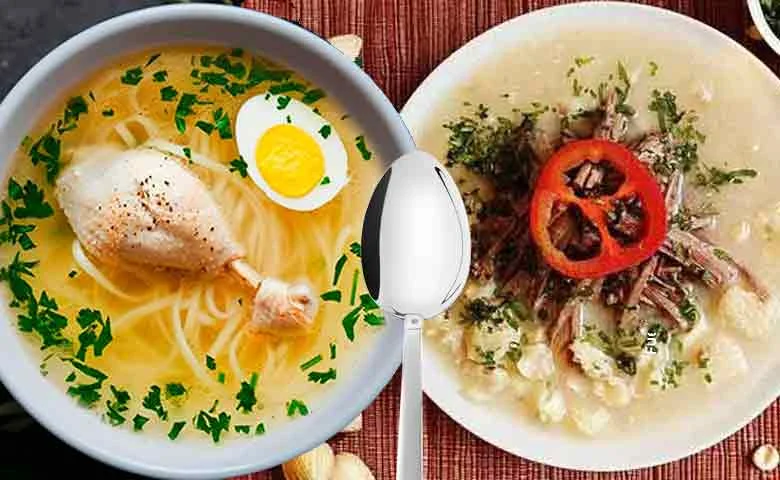
This Peruvian-style beef soup combines thin strips of beef, potato and delicate angel-hair noodles in a savoury ají panca broth. It is a warming one-pot meal finished with egg, evaporated milk and fresh parsley.
Ingredients
- 300 gbeef steak or fillet, cut into thin strips
- 1red onion, finely diced
- 2 clovesgarlic, chopped or crushed
- 2 tablespoonsají panca paste
- 1 teaspoondried oregano
- 1white potato, cut into small cubes
- 100 gangel-hair noodles
- 1 litrebeef stock or water
- 1egg
- A splashevaporated milk
- To tastevegetable oil
- To tastesalt and black pepper
- To tastechopped parsley, to garnish
Instructions
- 1
Fry the base
Heat a little vegetable oil in a pan. Fry the onion, garlic and ají panca paste until lightly golden and fragrant.
- 2
Add the beef
Add the thin strips of beef and season with salt, pepper and dried oregano. Stir as you cook to brown the meat and combine the flavours.
- 3
Add stock and potato
Pour in the beef stock or water and bring to the boil. Add the diced potato and cook until tender.
- 4
Cook the noodles
Add the angel-hair noodles and cook for about 3–4 minutes, until al dente.
- 5
Finish the soup
Turn off the heat, add a splash of evaporated milk and crack the egg directly into the pan. Stir gently so the egg cooks lightly. Serve hot, garnished with chopped parsley.
What is Peruvian beef noodle soup?
This is a hearty Peruvian-style soup built around beef, potato and fine noodles in a seasoned broth. Ají panca gives the base its characteristic mild chilli flavour and deep savoury colour.
The version here brings those ingredients together in one pot, then uses egg and evaporated milk for a soft, rounded finish.
Nutrition and macros by portion
The nutrition label shows one serving as written: 190 calories, 0g protein, 0g carbs, 0g fat.
| Portion | Adjustment | kcal | Protein | Carbs | Fat |
|---|---|---|---|---|---|
| Lighter | Use less oil | 133 kcal | 0g | 0g | 0g |
| This serving | As written | 190 kcal | 0g | 0g | 0g |
| Hungry | Serve a larger bowl | 285 kcal | 0g | 0g | 0g |
The potato and noodles provide most of the carbohydrates, while the beef and egg contribute protein. The beef, vegetable oil and evaporated milk are the main sources of fat; serving it with a side salad adds freshness and balance.
Build flavour with the aderezo
Onion and garlic: Fry them with the ají panca paste until fragrant and lightly golden, taking care not to let the garlic catch.
Ají panca: This paste seasons the broth as well as the meat. Stir it through the softened onion so its flavour spreads evenly.
Choose the beef and potato
Beef: Steak or fillet cut into thin strips is specified, so slice it finely for quick, even cooking. Stirring it into the hot aderezo helps coat the pieces with flavour.
Potato: Cut the white potato into small, even cubes so they cook through in the simmering liquid before the noodles go in.
Get the noodles just right
Angel-hair noodles cook quickly, so add them only once the potato is tender. The stated cooking time is about 3–4 minutes; check that they are al dente rather than leaving them to soften for too long.
Finish gently with egg and milk
Egg: Crack it into the soup after turning off the heat, then stir gently so it cooks lightly in the residual warmth.
Evaporated milk: Add just a splash at the end for a mellow finish. Avoid boiling the soup again after adding the milk and egg.
Serve it hot
Parsley: Scatter chopped parsley over each serving for a fresh contrast to the rich broth.
For a more substantial meal, serve the soup with bread or a simple side salad. The noodles and potato already make it filling, so a light accompaniment works well.
Recipe notes & tips
- Cut the beef into thin, even strips so it cooks consistently.
- Dice the potato into similar-sized pieces to help it become tender evenly.
- Stir the ají panca paste into the onion and garlic before adding the liquid.
- Add the angel-hair noodles only when the potato is soft.
- Stir gently after adding the egg so it cooks lightly in the hot soup.
- Taste the broth before serving and adjust the salt and pepper if needed.
Variations
- Use water: Choose it instead of beef stock for a less beef-forward broth.
- Adjust the chilli: Use less ají panca paste for a milder flavour.
- Change the noodles: Use another thin noodle, adjusting the cooking time to its packet directions.
- Add extra parsley: Scatter more over the soup just before serving.
- Choose the cut: Use steak or fillet, as specified, sliced into fine strips.
Common mistakes to avoid
- Burning the garlic: Fry it with the onion over controlled heat and stop when fragrant and lightly golden.
- Uneven potato cubes: Cut them to a similar small size so they soften at the same rate.
- Overcooking the noodles: Check them after 3 minutes and stop when al dente.
- Boiling after adding milk: Turn off the heat before adding the milk and egg.
- Stirring too vigorously: Mix gently after adding the egg so it cooks lightly rather than breaking up excessively.
How to store
Cool leftovers promptly and refrigerate in a covered container for up to 2 days. Reheat gently until piping hot; the noodles may soften as they sit, and the egg and milk can change texture on reheating.
Frequently asked questions
Can I use water instead of beef stock?
Yes. The recipe allows either water or beef stock; stock will give the broth a fuller beef flavour.
When should I add the noodles?
Add them after the potato is tender. They need about 3–4 minutes to reach an al dente texture.
How do I stop the noodles getting too soft?
Keep to the short cooking time and check them as they cook. Serve the soup soon after the noodles are ready.
Does the egg need to be beaten first?
No. The method says to crack it straight into the pot after turning off the heat, then stir gently so it cooks lightly.
Can I make the soup with water?
Yes, water is listed as an alternative to beef stock. Season the broth to taste before serving.
What can I serve alongside the soup?
Bread or a simple side salad makes an easy accompaniment. The potato and noodles already make the soup substantial.
Cook it from the original
This recipe comes from recetascocinaperuana.com. Their page has the author’s own photos, notes and tips — the best place to cook it from.
Open the recipe on recetascocinaperuana.com