
Seafood Broth
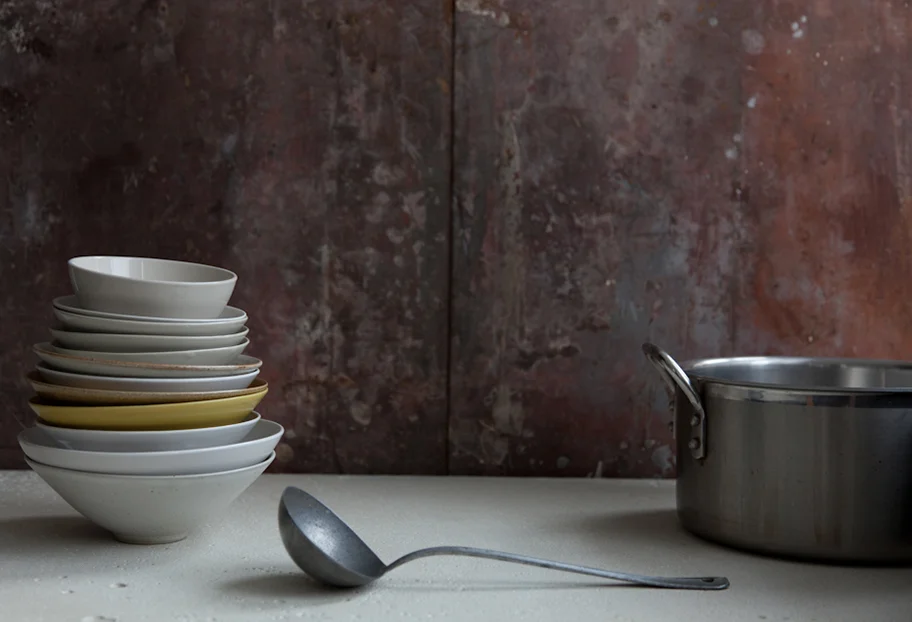
This Mexican-style seafood broth simmers fish heads, bones and vegetables with herbs and spices to make a savoury, aromatic stock. It is a useful base for seafood soups and stews, and the method is mostly hands-off once the pot is simmering.
Ingredients
- 450–900 g (1–2 lb)fish heads, bones and tails, preferably from fresh white-fleshed fish
- al gustoshrimp shells and tails (optional)
- 1white onion, peeled and halved
- 3garlic cloves, peeled
- 2–3carrots, peeled and halved
- 3celery stalks, rinsed and halved
- 1ripe tomato
- 5–6 sprigsfresh parsley or coriander
- 3bay leaves
- ½ teaspoondried thyme
- ½ teaspoondried marjoram
- 5black peppercorns
- 1 tablespoon, or to tastekosher salt or coarse sea salt
- Enough to cover by at least 5 cmcold water
Instructions
- 1
Combine ingredients
Put all the ingredients in a large, heavy soup pot. Add enough cold water to cover them by at least 5 cm.
- 2
Simmer the broth
Bring the pot to a boil over medium-high heat, skimming off any foam. Lower the heat to medium-low, partially cover and simmer for 45 minutes to 1 hour.
- 3
Strain the broth
Take the pot off the heat. Strain the broth through a fine-mesh sieve or a colander lined with cheesecloth.
What is seafood broth?
Seafood broth is a savoury liquid made by gently simmering fish parts with vegetables and aromatics, then straining away the solids. In Mexican coastal cooking, broths like this can provide the flavourful base for soups and seafood dishes.
This version uses fish heads, bones and tails, with optional shrimp shells for extra seafood character. Onion, carrot, celery, tomato and herbs round out the flavour without needing a complicated preparation.
Nutrition and macros by portion
The nutrition label shows one serving as written: 35 calories, 5g protein, 4g carbs, 1g fat.
| Portion | Adjustment | kcal | Protein | Carbs | Fat |
|---|---|---|---|---|---|
| Lighter | Use less salt | 25 kcal | 4g | 3g | 1g |
| This serving | As written | 35 kcal | 5g | 4g | 1g |
| Hungry | Larger bowl of broth | 53 kcal | 8g | 6g | 2g |
Most of the protein comes from flavour and nutrients released by the fish parts, while the vegetables contribute small amounts of carbohydrate. The salt is the main source of sodium, and the strained broth is generally low in fat, though the exact amount depends on the fish and how it is prepared. For a more substantial plate, serve it with a portion of cooked grains and vegetables.
Choosing the fish
Fish parts: Fresh white-fleshed fish heads, bones and tails are the recipe’s main flavour source. Ask a fishmonger for suitable parts, and make sure they are clean before they go into the pot.
Shrimp shells: These are optional, so the broth can be made without them. If using them, add the shells and tails along with the other ingredients.
Build the aromatic base
Vegetables: Halved onion, carrots and celery release flavour as they simmer, while the whole ripe tomato adds a gentle savoury note. The pieces do not need to be finely chopped because the broth is strained at the end.
Herbs and spices: Parsley or coriander, bay leaves, thyme, marjoram and peppercorns give the liquid its aromatic finish. Keep the herbs whole, as directed, so they are easy to strain out.
Keep the simmer gentle
Foam: Skim it from the surface once the pot comes to a boil. This helps keep the finished broth clearer.
Heat: After boiling, lower the heat and simmer with the lid partly on for 45 minutes to 1 hour. A steady, gentle simmer is the key cue; avoid letting the pot boil vigorously throughout.
Strain carefully
Fine straining: Use a fine-mesh sieve or a colander lined with cheesecloth to catch small bones and other solids. Pour carefully, since the broth and pot will be hot.
Texture: The strained liquid should be smooth, with no pieces of fish or vegetables remaining. Discard the solids after straining.
How to use the broth
For soup: Use the broth as a base for a seafood soup or stew, adding the other ingredients required by that dish. Its gentle flavour pairs well with fish and shellfish.
To serve simply: Pour it into a cup or bowl while hot, or use it wherever a recipe calls for seafood stock. Taste and adjust the salt in the dish you are making.
Recipe notes & tips
- Start with cold water so the ingredients heat up gradually together.
- Keep the water level high enough to cover all the fish parts and vegetables.
- Skim the foam as it appears after the broth reaches a boil.
- Partially cover the pot during the simmer, as directed.
- Strain slowly through a fine-mesh sieve to catch small solids.
- Taste the finished broth before using it in another recipe, especially if you used the full tablespoon of salt.
Variations
- Add shrimp shells: Include them with the other ingredients for a more pronounced seafood flavour.
- Choose coriander: Use the coriander option for a fresh, herbal note.
- Use parsley: Choose parsley for a milder herbal character.
- Adjust the salt: Start with less than a tablespoon if you plan to use the broth in a salty dish.
- Make a larger batch: Scale the ingredients proportionally and use a pot large enough to cover them with water.
Common mistakes to avoid
- Skipping the foam: Skim it after the boil begins to help the broth stay clearer.
- Boiling hard throughout: Lower the heat after boiling and keep the broth at a gentle simmer.
- Using too little water: Cover the ingredients by at least 5 cm before heating.
- Straining roughly: Pour carefully through a fine-mesh sieve or cheesecloth-lined colander to catch solids.
- Over-salting: Remember that the broth may be used in another seasoned dish, and add salt to taste.
How to store
Cool the strained broth promptly, then refrigerate it in a covered container and use within 3–4 days. Reheat it in a saucepan until steaming hot; freeze portions for longer storage.
Frequently asked questions
Can I make this without shrimp shells?
Yes. The shrimp shells and tails are optional, so you can leave them out and make the broth with fish parts alone.
What fish parts should I use?
The recipe specifies fish heads, bones and tails, preferably from fresh white-fleshed fish. A fishmonger may be able to supply suitable parts.
How long should the broth simmer?
Simmer it for 45 minutes to 1 hour after bringing it to a boil and skimming the foam. Keep the heat at medium-low and the lid partly on.
Do I need to chop the vegetables?
No fine chopping is needed: the onion and carrots are halved, and the celery stalks are halved. They will be strained out after cooking.
Can I use the broth straight away?
Yes. Strain it after cooking and use it as a base for a seafood soup or another recipe calling for seafood stock.
Can I freeze seafood broth?
Yes. Once cooled, freeze it in suitable portions so you can thaw only what you need.
Cook it from the original
This recipe comes from patijinich.com. Their page has the author’s own photos, notes and tips — the best place to cook it from.
Open the recipe on patijinich.com