
Boiled Date Cake
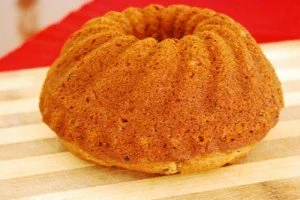
Boiled Date Cake is a soft, warmly flavoured cake made by heating dates with butter, milk and brown sugar before mixing in flour and eggs. It is a straightforward bake for using dried dates, with a tender crumb and sweetness that suits a cup of tea.
Ingredients
- 185 gbutter, chopped
- 250 ml (1 cup)milk
- 150 g (¾ cup), firmly packedbrown sugar
- 145 g (1 cup), coarsely choppeddeseeded dried dates
- ½ tspbicarbonate of soda
- 225 g (1½ cups)self-raising flour
- 75 g (½ cup)plain flour
- 2, lightly beateneggs
Instructions
- 1
Prepare the tin
Preheat the oven to 180°C for 10 minutes before baking. Prepare a deep 20 cm (8-inch) round cake tin.
- 2
Heat the dates
Put the butter, milk, brown sugar and dates in a large saucepan. Stir over the heat with a wooden spoon until the butter has melted, then bring the mixture to the boil and take it off the heat. Stir in the bicarbonate of soda and leave to cool for 10 minutes. Quickly mix in both flours and the eggs, then spoon the batter into the prepared tin.
- 3
Bake the cake
Bake in the preheated oven for about 40 minutes. Turn the cake out onto a wire rack to cool.
What is boiled date cake?
Boiled date cake is a home-style cake made by heating dates with butter, milk and sugar before adding flour and eggs. The name refers to this saucepan stage, which softens the dates and brings the mixture together.
Date cakes appear in several home-baking traditions, so the recipe alone does not establish a precise origin. This version combines self-raising and plain flour, giving the cake lift while keeping the crumb substantial.
Nutrition and macros by portion
The nutrition label shows one serving as written: 370 calories, 6g protein, 50g carbs, 17g fat.
| Portion | Adjustment | kcal | Protein | Carbs | Fat |
|---|---|---|---|---|---|
| Lighter | Serve a smaller slice | 259 kcal | 4g | 35g | 12g |
| This serving | As written | 370 kcal | 6g | 50g | 17g |
| Hungry | Serve a larger slice | 555 kcal | 8g | 75g | 26g |
Most of the carbohydrates come from the brown sugar, dates and flour, while butter is the main source of fat. Eggs, milk and flour contribute protein, though each slice is still mainly a sweet cake serving. Pair a slice with fresh fruit or serve a smaller piece after a meal that includes a protein-rich food.
Why heat the dates first?
Date mixture: warming the chopped dates in the butter, milk and sugar softens them and distributes their flavour through the batter. Stir as the butter melts so the ingredients combine evenly.
Bicarbonate of soda: add it after taking the pan off the heat, then let the mixture cool for 10 minutes. This pause helps avoid adding the eggs to a hot mixture.
Mixing the batter
Flour: use both types in the stated quantities; the self-raising flour supplies raising agents, while the plain flour contributes structure. Fold or stir them in just until combined rather than working the batter for a long time.
Eggs: beat them lightly beforehand and add them with the flours after the cooling rest. Stir promptly, as the method calls for, then transfer the batter to the tin.
How to judge doneness
Timing: bake at 180°C for about 40 minutes, as ovens and tins can vary. The recipe does not give a separate visual or skewer test, so begin checking around the stated baking time.
Cooling: turn the cake onto a wire rack after baking. Cooling it there lets air circulate around the cake rather than trapping steam underneath.
Serving the cake
The cake can be served once it has cooled enough to slice cleanly. Its sweet, date-rich flavour works well with tea or coffee.
For a simple accompaniment, serve a slice plain or with a little butter. Fresh fruit alongside can add a contrasting, fresh note.
Choosing and preparing dates
Dried dates: use deseeded dates and chop them coarsely, as specified. Check each date for any remaining stone before chopping.
Cut size: coarse pieces leave some distinct date texture in the finished cake. More finely chopped dates will blend into the mixture more completely.
Recipe notes & tips
- Measure the brown sugar firmly packed, as specified.
- Chop the dates before heating so they soften evenly.
- Use a large saucepan to leave room for the mixture to bubble safely.
- Allow the date mixture to cool for the full 10 minutes before adding the eggs.
- Prepare the tin before starting the batter so it is ready when mixing is complete.
Variations
- Add warm spice: Stir a little ground cinnamon into the flour for a spiced note.
- Include nuts: Fold chopped walnuts into the batter for extra crunch.
- Use mixed spice: Add a small amount to the dry ingredients for a deeper spice flavour.
- Serve with cream: Add a spoonful alongside each slice for a richer dessert.
- Try a loaf tin: Bake in a suitably sized loaf tin, checking for doneness around the recipe's stated baking time.
Common mistakes to avoid
- Adding eggs while the mixture is hot: Let the date mixture cool for 10 minutes first.
- Skipping the soda: Stir the bicarbonate of soda into the warm mixture after removing it from the heat.
- Overmixing after adding flour: Stir just until the flour and eggs are incorporated.
- Using dates with stones: Check that the dates are deseeded before chopping and heating.
- Turning out too soon: Handle the cake carefully and cool it on a wire rack after baking.
How to store
Once completely cool, store the cake in an airtight container at room temperature for up to 3 days, or refrigerate it for up to 5 days. Warm individual slices briefly in the microwave or in a low oven.
Frequently asked questions
Can I use only self-raising flour?
The recipe specifies 225 g self-raising flour and 75 g plain flour. Changing that balance may alter the cake's rise and texture.
Why does the date mixture need to cool?
The method allows it to cool for 10 minutes before the eggs are added. This helps keep the eggs from meeting a very hot mixture.
How finely should I chop the dates?
Chop them coarsely, as the recipe directs. This leaves some date pieces in the baked cake.
Can I make the cake ahead?
Yes. Let it cool completely, then keep it in an airtight container and serve within a few days.
How do I know when it is baked?
Bake for about 40 minutes at 180°C and check around that time, since ovens can vary. The recipe does not specify a particular visual or skewer cue.
Cook it from the original
This recipe comes from mariasmenu.com. Their page has the author’s own photos, notes and tips — the best place to cook it from.
Open the recipe on mariasmenu.com