
Spicy Tsukemen (Dipping Noodles)
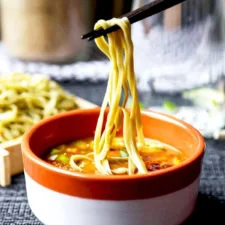
Tsukemen pairs chilled noodles with a separate, spicy miso dipping sauce. It is a refreshing Japanese meal for warm weather, with a savoury broth you can prepare ahead and cool before serving.
Ingredients
- 170 g (6 oz)dried ramen, udon or soba noodles
- 7.5 ml (½ tablespoon)vegetable oil
- 1 clovegarlic, minced
- 1 smallshallot, minced
- 15 ml (1 tablespoon)ginger, peeled and minced
- 30 ml (2 tablespoons)white miso paste or awase miso paste
- 15 ml (1 tablespoon)regular Japanese soy sauce
- 360 ml (1½ cups)water
- 5 ml (1 teaspoon)granulated sugar
- 5 ml (1 teaspoon)powdered chicken stock or vegetable stock
- 2.5 ml (½ teaspoon)chilli oil
- 5 ml (1 teaspoon)toasted sesame oil (optional)
- 15 ml (1 tablespoon)sesame seeds
- 2spring onions, sliced on the diagonal
- 30 ml (2 tablespoons)bonito flakes (optional)
- To tasteichimi togarashi
Instructions
- 1
Fry the aromatics
Warm the vegetable oil in a pot over a medium-low heat. Add the garlic, ginger and shallot and cook for 2 minutes, stirring often, until the shallot is translucent.
- 2
Add the miso
Stir in the miso paste and soy sauce, cooking until the mixture forms a soft paste.
- 3
Add seasonings
Pour in the water and add the sugar and powdered stock. Stir, then bring the mixture to the boil.
- 4
Simmer the sauce
Turn the heat down and simmer uncovered for 15 minutes.
- 5
Stir in oils
Take the pot off the heat and mix in the chilli oil, toasted sesame oil and sesame seeds.
- 6
Chill the sauce
Transfer the spicy miso sauce to a container and leave it to cool to room temperature. Refrigerate for at least 1 hour.
- 7
Cook the noodles
Cook the noodles according to the packet instructions. Drain and rinse under cold water, then drain again and divide between two serving plates.
- 8
Serve the tsukemen
Divide the sauce between two bowls and top with spring onions, sesame seeds and bonito flakes. Serve alongside the noodles. Dip small amounts of noodles into the sauce with chopsticks as you eat.
What is tsukemen?
Tsukemen is a Japanese noodle dish served with noodles and dipping broth separately, rather than together in one bowl. Diners dip each mouthful into the more intensely flavoured sauce.
This version builds its savoury base with miso, soy and stock, then adds ginger, garlic and chilli oil. Chilling the noodles and sauce makes it especially appealing on a warm day.
Nutrition and macros by portion
The nutrition label shows one serving as written: 264 calories, 4g protein, 37g carbs, 10g fat.
| Portion | Adjustment | kcal | Protein | Carbs | Fat |
|---|---|---|---|---|---|
| Lighter | Use less sesame oil | 185 kcal | 3g | 26g | 7g |
| This serving | As written | 264 kcal | 4g | 37g | 10g |
| Hungry | Add more noodles | 396 kcal | 6g | 55g | 16g |
The noodles provide most of the carbohydrates, while vegetable and sesame oils contribute much of the fat. Miso and stock add savoury flavour, but the provided nutrition figures list only 4.1 g protein per serving; serve with a protein-rich side if you want a more balanced plate.
Choosing the noodles
Noodle choice: Ramen, udon or soba all work here, so use the type you enjoy or have on hand. Their cooking times vary, so follow the packet directions rather than relying on a fixed time.
Cold rinse: Rinsing after cooking cools the noodles and removes excess surface starch. Drain them well so they do not water down the dipping sauce.
Building the miso sauce
Aromatics: Cook the garlic, ginger and shallot gently until the shallot turns translucent. Stir frequently to keep the mixture from catching as it softens.
Miso and soy: Stir these into the softened aromatics until they form a paste before adding the water. This gives the sauce a cohesive base.
Stock and sugar: These join the water before the sauce simmers. The recipe allows either chicken or vegetable stock powder.
Getting the texture right
Simmering: Leave the sauce uncovered for 15 minutes at a gentle simmer. It should be hot and blended; avoid letting it boil hard.
Finishing oils: Add the chilli oil and optional sesame oil after taking the pot off the heat. The sesame seeds go in at the same point, so their texture remains noticeable.
Plan for chilling
Cooling: Let the sauce reach room temperature before refrigerating it for at least 1 hour. This chilling time means the full preparation takes longer than the 25-minute cooking estimate.
Serving: Keep the noodles and sauce separate until eating. That preserves the contrast between cool noodles and richly seasoned dip.
Toppings and serving
Fresh finish: Scatter the chopped spring onions over the sauce, and add bonito flakes if using. The recipe also lists sesame seeds as a topping, in addition to those stirred into the sauce.
Heat level: Ichimi togarashi is added to taste, so each diner can adjust the spice at the table. Dip a small amount of noodles at a time rather than combining everything in the bowl.
Recipe notes & tips
- Check the noodle packet for its cooking time, as ramen, udon and soba can differ.
- Rinse the noodles under cold water, then drain them thoroughly before serving.
- Stir the aromatics frequently during the 2-minute frying step.
- Let the sauce cool to room temperature before refrigerating it.
- Keep the sauce and noodles in separate bowls until you are ready to eat.
Variations
- Choose soba: Use soba noodles instead of ramen or udon for a different noodle base.
- Use vegetable stock: Choose powdered vegetable stock to make the sauce without chicken stock.
- Skip the sesame oil: Leave out the optional toasted sesame oil for a simpler finish.
- Omit the bonito: Leave out the optional bonito flakes when serving.
- Adjust the heat: Add ichimi togarashi to taste at the table.
Common mistakes to avoid
- Overcooking the aromatics: Keep the heat at medium-low and stir frequently until the shallot is translucent.
- Adding miso too late: Stir it into the aromatics with the soy sauce before pouring in the water.
- Boiling too vigorously: Lower the heat after the sauce comes to the boil and maintain a simmer.
- Skipping the chill: Refrigerate the cooled sauce for at least 1 hour as directed.
- Leaving noodles wet: Drain them again after rinsing so excess water does not dilute the dip.
How to store
Refrigerate the sauce in a covered container after it has cooled; it can be made ahead for the required chilling time. The recipe does not specify a storage life, so keep leftovers chilled and use them promptly. Reheat the sauce gently if you prefer it warm, and cook or reheat noodles according to their packet guidance.
Frequently asked questions
Can I make the sauce ahead?
Yes. The method already calls for cooling the sauce and refrigerating it for at least 1 hour before serving.
Which noodles should I use?
The recipe works with dried ramen, udon or soba noodles. Cook whichever you choose according to its packet instructions.
Do the noodles go into the sauce?
No. Serve the noodles on plates and the sauce in separate bowls, then dip each mouthful as you eat.
Can I leave out the bonito flakes?
Yes. They are optional; top the sauce with the spring onions and sesame seeds instead.
How can I make it spicier?
Add ichimi togarashi to taste. The chilli oil is already part of the sauce.
Does it really take 25 minutes?
The stated total time is 25 minutes, but the method also requires at least 1 hour of refrigeration after the sauce cools. Allow that extra chilling time before serving.
Cook it from the original
This recipe comes from pickledplum.com. Their page has the author’s own photos, notes and tips — the best place to cook it from.
Open the recipe on pickledplum.com