
Fish Perattu/Varattiyathu (Fried Fish Roast)
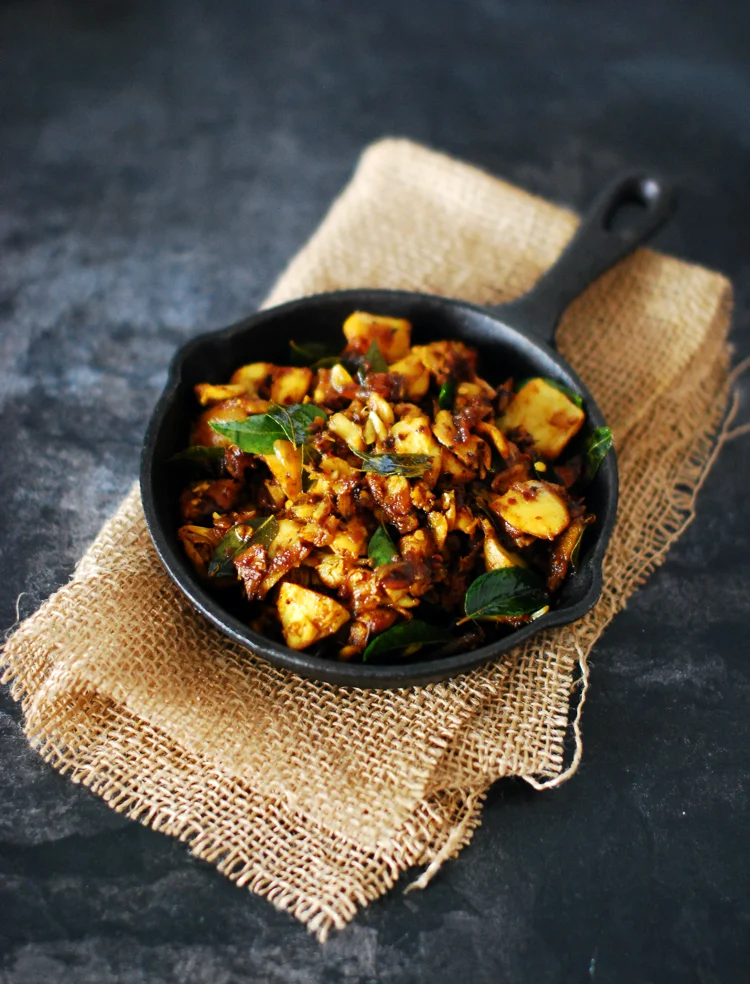
Fish perattu, also called varattiyathu, is a Kerala-style fish roast in which marinated fish is shallow-fried and finished with a fragrant onion, spice and kudampuli masala. It makes a punchy main dish to serve with rice and a simple vegetable side.
Ingredients
- 250 gfish, cut into small-to-medium cubes
- 1.5 tspKashmiri chilli powder
- 1/2 tspturmeric powder
- 1 tspginger-garlic paste
- 1/2 tspcrushed black pepper
- 1/2–1 tsplemon juice
- 1/2 tspcoconut oil
- to tastesalt
- 15–20small (pearl) onions
- 2 tspgarlic, with skin
- 1 tspginger
- 1/2 tbspdried red chilli flakes
- 1/2–1 tspcrushed black pepper
- 1/2 tspturmeric powder
- 1/2–1 tbspcoconut oil
- a pinchfenugreek powder
- 1 piecekudampuli (Malabar tamarind), soaked in 1–2 tbsp warm water for 10–15 minutes
- to tastesalt
- to tastecurry leaves
Instructions
- 1
Marinate fish
Coat the cleaned fish cubes with all the ingredients listed for the marinade. Leave them to stand for 30 minutes.
- 2
Shallow-fry fish
Shallow-fry the fish in a wide pan until it is almost cooked through.
- 3
Crush aromatics
Crush the pearl onions, garlic with its skin, and ginger together.
- 4
Mix the masala
Add the turmeric, crushed red chilli flakes, crushed black pepper, 1/2–1 tbsp coconut oil and curry leaves to the crushed aromatics. Mix thoroughly with your fingertips.
- 5
Cook the masala
Heat 1 tbsp coconut oil in the same pan and add the onion and spice mixture. Cook for 4–5 minutes, or until the raw smell has gone. Stir in a pinch of fenugreek powder, then add the soaked kudampuli and its soaking liquid.
- 6
Finish the fish
Add the fried fish and salt, then mix gently. Cover and cook over a low heat for 8–10 minutes.
- 7
Add curry leaves
Add a few more curry leaves and take the pan off the heat.
What is fish perattu?
Perattu or varattiyathu refers to a spiced, pan-cooked roast, and this version follows a Kerala-style approach: fish is first marinated and fried, then cooked briefly with crushed aromatics and sour kudampuli. The combination of chilli, pepper, curry leaves and coconut oil gives the dish its bold, savoury character.
The two-stage cooking helps the fish take on flavour without asking it to cook for a long time in the masala. Small pearl onions bring sweetness to balance the sharp spices and tamarind.
Nutrition and macros by portion
The nutrition label shows one serving as written: 190 calories, 23g protein, 8g carbs, 8g fat.
| Portion | Adjustment | kcal | Protein | Carbs | Fat |
|---|---|---|---|---|---|
| Lighter | Use less coconut oil | 133 kcal | 16g | 6g | 6g |
| This serving | As written | 190 kcal | 23g | 8g | 8g |
| Hungry | Serve with extra rice | 285 kcal | 35g | 12g | 12g |
The fish provides most of the protein, while the pearl onions contribute carbohydrates and the coconut oil supplies most of the fat. Serve a moderate portion with rice and a generous vegetable side to make a more balanced plate.
The fish and marinade
Fish choice: Use a firm-fleshed fish that can hold its shape as cubes are shallow-fried and folded into the masala. Cut the pieces to a similar size so they cook at roughly the same pace.
Marinade: Kashmiri chilli powder colours the fish while turmeric, pepper, ginger-garlic paste and lemon juice season it. Give the fish the full 30 minutes to rest before frying.
Crushing the aromatics
Pearl onions: Crush them with the ginger and garlic rather than making a smooth paste; the coarse texture gives the masala body. The recipe specifies garlic with its skin, so keep it on while crushing.
Spice mix: Work the turmeric, chilli flakes, pepper, coconut oil and curry leaves through the crushed aromatics with your fingertips. This spreads the seasoning evenly before the mixture hits the pan.
Frying and cooking cues
Fish: Shallow-fry the cubes until almost done, not fully cooked through. They will have another 8–10 minutes in the covered pan, so handle them gently when adding them to the masala.
Masala: Cook the crushed onion mixture for 4–5 minutes, until its raw smell has gone. Keep the heat low for the covered finish, and avoid stirring vigorously so the fish cubes stay intact.
Kudampuli and balance
Kudampuli: Soak the piece in warm water for 10–15 minutes, then add both the softened fruit and its soaking liquid as directed. It brings a distinct sour note to the roast.
Fenugreek: Use only a pinch, as its flavour is strong. Add it after the onion mixture has cooked, just before the kudampuli.
How to serve it
Rice: Serve the roast with plain rice to temper the chilli and sourness and to catch the savoury masala. A simple vegetable side keeps the meal balanced without competing with the fish.
At the table: Add the extra curry leaves at the end for a fresh, aromatic finish. Let the fish rest briefly after cooking so the masala clings to the pieces.
Recipe notes & tips
- Pat the cleaned fish dry before marinating so the seasoning coats it rather than becoming watery.
- Keep the fish cubes similar in size for more even shallow-frying.
- Use a wide pan so the fish can fry in a single layer as far as possible.
- Turn the fish carefully during frying to help keep the cubes whole.
- Taste the masala before adding salt, as the amount needed depends on the fish and your preference.
- Keep the covered finishing stage over a low heat to avoid breaking up or scorching the fish.
Variations
- Adjust the heat: Use the lower amount of crushed black pepper for a milder roast.
- More sourness: Add the full amount of lemon juice to the marinade.
- Extra curry leaves: Add a few more at the end for a stronger herbal aroma.
- Larger pieces: Cut the fish into larger cubes, allowing for a longer shallow-frying time as needed.
- No kudampuli: Use another souring ingredient only if you are comfortable changing the characteristic flavour of the dish.
Common mistakes to avoid
- Crowded pan: The fish may fry unevenly; cook it in batches if the pieces do not fit comfortably.
- Overcooked fish: It can break apart during the final simmer; shallow-fry only until almost done.
- Smooth onion paste: The masala may lose its coarse texture; crush the aromatics rather than blending them smooth.
- High heat: The masala can catch before the raw smell fades; cook it over a moderate heat and keep it moving.
- Too much fenugreek: Its bitterness can dominate; measure just a pinch.
- Missing soaking liquid: The masala may lose some of the kudampuli's sour flavour; add the fruit with its soaking water.
How to store
Cool leftovers promptly and refrigerate in a covered container for up to 2 days. Reheat gently in a covered pan over a low heat until hot, adding a small splash of water if the masala has become dry.
Frequently asked questions
Can I use a different fish?
Yes. Choose a firm-fleshed fish that will hold together as cubes during frying and the final simmer.
Can I prepare the fish ahead?
You can marinate it for the specified 30 minutes before cooking. Keep it covered and refrigerated if it will not be cooked straight away.
What can I use instead of kudampuli?
Kudampuli has a distinctive sour flavour. Another souring ingredient can be used, but it will change the character of the roast.
How do I know the fish is cooked?
It should be almost cooked after shallow-frying, then finish during the covered 8–10-minute simmer. Check that it is cooked through before serving.
Why is the fish breaking apart?
It may have been fried until fully cooked or stirred too forcefully in the masala. Stop frying when it is almost done and mix gently.
What should I serve with fish perattu?
Plain rice and a simple vegetable side are good accompaniments to its spicy, sour masala.
Cook it from the original
This recipe comes from mariasmenu.com. Their page has the author’s own photos, notes and tips — the best place to cook it from.
Open the recipe on mariasmenu.com