
Easy Chicken Bulgogi With Cabbage
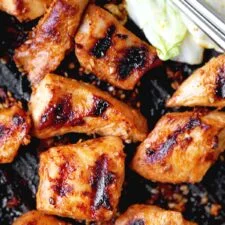
This quick Korean-inspired chicken bulgogi pairs savoury, sweet and gently spicy marinated chicken with cabbage. Cook it in a hot pan for a speedy dinner, allowing time in advance for the chicken to marinate.
Ingredients
- 454 g (1 pound)boneless chicken breasts or thighs
- 30 ml (2 tablespoons)vegetable oil or another neutral oil
- About 90 g (1 cup)chopped cabbage
- 2green onions, finely chopped
- 60 ml (1/4 cup)soy sauce
- About 25 g (2 tablespoons)brown sugar
- 10 ml (2 teaspoons)gochujang (Korean chilli paste)
- 15 ml (1 tablespoon)mirin
- 2 clovesgarlic, minced
- 10 ml (2 teaspoons)sesame oil
- 10 ml (2 teaspoons)ginger, peeled and grated
- To tastefreshly ground black pepper
- 5 ml (1 teaspoon)sesame seeds
Instructions
- 1
Mix the marinade
Put the marinade ingredients in a bowl and whisk until the sugar dissolves.
- 2
Cut the chicken
Cut the chicken into 5 cm (2-inch) pieces, trimming away excess fat, then add it to the marinade.
- 3
Marinate the chicken
Stir to coat the chicken, cover the bowl with a lid or cling film, and refrigerate for at least 2 hours or overnight.
- 4
Heat the pan
Set a large frying pan over a medium-high heat. Add the oil and swirl to coat the surface. Once hot, add the chicken and cabbage, keeping the marinade aside. If using a griddle pan, as recommended, brush it with oil before adding the chicken and cabbage.
- 5
Cook until done
Cook the chicken and cabbage for 2 minutes, then add 30 ml (2 tablespoons) of marinade. Toss for 1 minute and add another 30 ml (2 tablespoons) of marinade. Cook for 2–3 minutes, until the chicken is cooked through, adding more marinade to the pan if it looks dry.
- 6
Finish and serve
Transfer the chicken and cabbage to a plate, top with the green onions and serve.
What is chicken bulgogi?
Bulgogi is a Korean dish of meat cooked with a flavourful marinade, traditionally associated with beef. This version uses chicken and adds cabbage for a quick, one-pan variation.
Soy, sugar, garlic, ginger and gochujang bring savoury, sweet and spicy notes. Cutting the chicken into small pieces helps it cook quickly once it reaches the hot pan.
Nutrition and macros by portion
The nutrition label shows one serving as written: 156 calories, 26g protein, 4g carbs, 3g fat.
| Portion | Adjustment | kcal | Protein | Carbs | Fat |
|---|---|---|---|---|---|
| Lighter | Use less cooking oil | 109 kcal | 18g | 3g | 2g |
| This serving | As written | 156 kcal | 26g | 4g | 3g |
| Hungry | Serve with steamed rice | 234 kcal | 39g | 6g | 5g |
The chicken supplies most of the protein, while the brown sugar and cabbage contribute carbohydrates. Oil, sesame oil and sesame seeds contribute fat; serve with vegetables or a modest portion of rice to round out the plate.
The marinade ingredients
Soy and mirin: These form the savoury, lightly sweet base of the marinade, while brown sugar dissolves into it and helps round out the flavour.
Gochujang, garlic and ginger: Together they give the chicken heat and a punchy aromatic flavour. Whisk until the sugar has dissolved before adding the chicken.
Give the chicken time
Marinating: The recipe calls for at least 2 hours in the fridge, or overnight, so the chicken has time to take on the marinade's flavour. This means the 20-minute total time does not include the marinating period.
Before cooking: Keep the reserved marinade to hand, as the method adds it to the pan in stages. Refrigerate the chicken while it marinates.
Cook in a hot pan
Hot surface: Heat the oiled frying pan over a medium-high heat before adding the chicken and cabbage. A griddle pan is recommended in the method; brush it with oil first.
Small batches of marinade: Add 30 ml (2 tablespoons), toss for a minute, then add another 30 ml (2 tablespoons). Add more if the pan looks dry, as directed.
Check the texture and doneness
Chicken: The pieces should be cooked through after 2–3 minutes in the final cooking stage. Because piece size and pan heat can vary, check the thickest piece rather than relying on colour alone.
Cabbage: It cooks alongside the chicken, becoming tender while retaining some bite if the pan is hot and the cooking time stays short.
Serving ideas
Serve the chicken and cabbage straight from the pan, topped with the chopped green onions. Steamed rice is a natural accompaniment if you want a more substantial meal.
For a fresh contrast, add a simple side of sliced cucumber or lightly dressed greens. Keep additional salty sauces modest, as the marinade already contains soy sauce.
Recipe notes & tips
- Cut the chicken into evenly sized pieces so they cook at a similar rate.
- Whisk the marinade until the brown sugar has dissolved.
- Keep the chicken covered in the fridge for the full marinating time.
- Heat the pan before adding the chicken and cabbage.
- Add the reserved marinade in stages and watch for a dry-looking pan.
- Check that the chicken is cooked through before serving.
Variations
- Use chicken thighs: Choose boneless thighs for a richer, juicier result.
- Adjust the heat: Use less gochujang for a milder marinade.
- Add more cabbage: Increase the cabbage for extra vegetables in each serving.
- Serve with rice: Add steamed rice alongside for a more filling meal.
- Use a griddle pan: Brush the hot pan with oil before cooking as suggested in the method.
Common mistakes to avoid
- Skipping the marinating time: Refrigerate for at least 2 hours, or overnight, for the planned flavour.
- Crowding the pan: Use a large pan so the chicken and cabbage have room to cook.
- Adding all the marinade at once: Follow the staged additions so you can check whether the pan needs more.
- Using an unheated pan: Wait until the oil is hot before adding the chicken and cabbage.
- Guessing doneness: Check the thickest piece to make sure the chicken is cooked through.
How to store
Refrigerate leftovers in a covered container and use within 3 days. Reheat in a frying pan until piping hot throughout, adding a small splash of water if the mixture seems dry.
Frequently asked questions
How long should the chicken marinate?
Marinate it in the fridge for at least 2 hours or overnight. The recipe's 20-minute total time does not include this resting time.
Can I use chicken breasts instead of thighs?
Yes. The recipe allows boneless chicken breasts or thighs; cut either into pieces of about 5 cm (2 inches).
Can I make this without a griddle pan?
Yes. The method gives a large frying pan as an option. Heat it over a medium-high heat and swirl the oil around to coat the surface.
How can I tell when the chicken is cooked?
Check the thickest piece to confirm it is cooked through before serving. The method gives 2–3 minutes for the final cooking stage, but the exact time can vary with the pan and piece size.
What can I serve with chicken bulgogi?
Steamed rice makes a straightforward accompaniment. Cucumber or simply dressed greens also work well alongside the chicken and cabbage.
Cook it from the original
This recipe comes from pickledplum.com. Their page has the author’s own photos, notes and tips — the best place to cook it from.
Open the recipe on pickledplum.com