
Instant Pot Butternut Squash
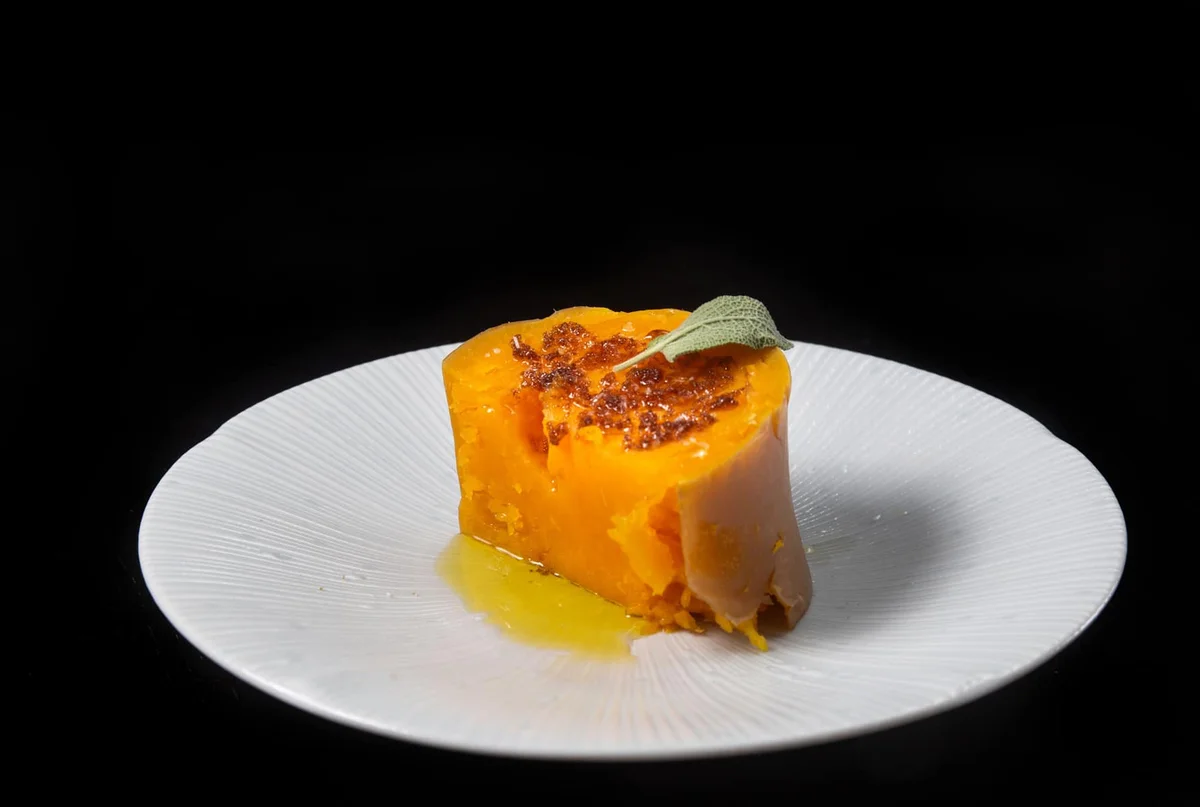
Whole butternut squash cooks quickly in the Instant Pot until tender and creamy, then gets a simple sweet-savoury finish. It makes an easy autumn side dish, with brown sugar, salt and a drizzle of olive oil or melted butter to serve.
Ingredients
- 1 (1916 g, approximately 4 lb)butternut squash, rinsed
- 250 ml (1 cup)cold water
- to tastebrown sugar
- to tastekosher salt
- to tastefresh herbs, such as rosemary, thyme or sage
- to tasteolive oil or melted butter
Instructions
- 1
Cut the squash
Cut the butternut squash as directed for even cooking in the Instant Pot.
- 2
Pressure cook
Pour 250 ml cold water into the Instant Pot and set the trivet inside. Arrange the cut squash on the trivet, lock the lid and turn the venting knob to Sealing. Cook at High Pressure for 8–11 minutes, then use Quick Release. Open the lid carefully. For a 1916 g squash with a circumference of about 48 cm (19 in), cook for 9–10 minutes under pressure; adjust within the stated range to suit the squash size and desired tenderness.
- 3
Garnish and serve
Sprinkle the squash with brown sugar and kosher salt, then drizzle with olive oil or melted butter. Add fresh rosemary, thyme or sage if desired, and serve straight away.
What is Instant Pot butternut squash?
Butternut squash is a sweet-fleshed winter squash, a type of gourd originating in the Americas. Cooking it whole or in large pieces in a pressure cooker gives you tender squash without having to roast it for a long time.
This version keeps the seasoning simple: brown sugar brings out the squash’s sweetness, while salt and herbs add a savoury edge.
Nutrition and macros by portion
The nutrition label shows one serving as written: 136 calories, 3g protein, 35g carbs, 1g fat.
| Portion | Adjustment | kcal | Protein | Carbs | Fat |
|---|---|---|---|---|---|
| Lighter | Use olive oil sparingly | 95 kcal | 2g | 25g | 1g |
| This serving | As written | 136 kcal | 3g | 35g | 1g |
| Hungry | Serve a larger portion | 204 kcal | 5g | 53g | 2g |
The squash provides most of the carbohydrates, while the olive oil or butter contributes most of the fat; the listed protein is modest. Pair a serving with a protein-rich main and another vegetable to round out the meal.
Why use the trivet?
Water: The 250 ml of cold water creates the steam needed for pressure cooking.
Trivet: Keeping the squash above the water helps it cook in the steam rather than sitting directly in the liquid.
Choosing the cooking time
Size: The recipe gives a range of 8–11 minutes at High Pressure because squash sizes vary. A squash around 1916 g is expected to need 9–10 minutes under pressure.
Texture: Choose the lower end for firmer flesh and the higher end if you prefer it very soft. Quick Release follows the pressure-cooking time.
Seasoning the squash
Sweet and savoury: Add brown sugar and kosher salt to taste once the squash is cooked. A little of each lets the squash’s own flavour remain at the centre.
Herbs: Rosemary, thyme and sage all pair well with the sweet, mellow flesh. Use one herb or leave them out for a simpler side.
Finishing and serving
Fat: A drizzle of olive oil or melted butter adds richness and helps carry the seasoning over the squash. Add it just before serving.
Pairing: Serve alongside roasted vegetables, grains or a main dish with a savoury sauce for a balanced plate.
Checking for doneness
Tenderness: The recipe’s timing is intended to cook the squash through, with the exact result depending on its size and how soft you like it. If you prefer a firmer texture, use the shorter time in the range.
Lid: Open the Instant Pot carefully after Quick Release, keeping clear of any escaping steam.
Recipe notes & tips
- Rinse the squash before cutting it.
- Keep the squash on the trivet rather than placing it directly in the water.
- Use the cooking-time range to suit the squash size and the texture you prefer.
- Keep clear of the steam when opening the lid after Quick Release.
- Season after cooking so you can adjust the sugar and salt to taste.
- Add fresh herbs just before serving for a fragrant finish.
Variations
- Sage finish: Use fresh sage for a savoury, aromatic garnish.
- Rosemary finish: Add rosemary for a more pronounced herbal note.
- Thyme finish: Scatter over thyme leaves just before serving.
- Olive oil: Choose olive oil for a savoury finish without butter.
- Butter: Use melted butter for a richer finish.
Common mistakes to avoid
- Guessing the timing: Squash sizes differ, so choose a time within the 8–11 minute range based on size and preferred tenderness.
- Skipping the trivet: The squash should sit above the 250 ml of water, not directly in it.
- Overcooking for a firm result: Use the shorter end of the range if you want the flesh less soft.
- Opening carelessly: Open the lid after Quick Release with care and keep away from escaping steam.
- Adding too much seasoning: Start with a little brown sugar and salt, then adjust to taste.
How to store
Refrigerate leftover cooked squash in an airtight container and use within 3–4 days. Reheat until hot in the microwave or in a covered pan with a small splash of water.
Frequently asked questions
How long does butternut squash take in the Instant Pot?
Cook at High Pressure for 8–11 minutes, followed by Quick Release. The recipe suggests 9–10 minutes for a squash of about 1916 g.
Can I make the squash firmer or softer?
Yes. Choose a shorter time for firmer flesh and a longer time for a softer result, staying within the stated range.
Do I need to peel the squash first?
The method starts by rinsing and cutting the squash, but does not call for peeling it before pressure cooking.
Which herbs go best with butternut squash?
The recipe suggests rosemary, thyme or sage. Choose one, or skip the herbs if you prefer.
Can I use butter instead of olive oil?
Yes. Drizzle with olive oil or melted butter just before serving.
What should I serve with it?
It works as a side dish with a savoury main, grains or other vegetables. Add a protein-rich main if you want a more balanced plate.
Cook it from the original
This recipe comes from pressurecookrecipes.com. Their page has the author’s own photos, notes and tips — the best place to cook it from.
Open the recipe on pressurecookrecipes.com