
Instant Pot Coconut Rice
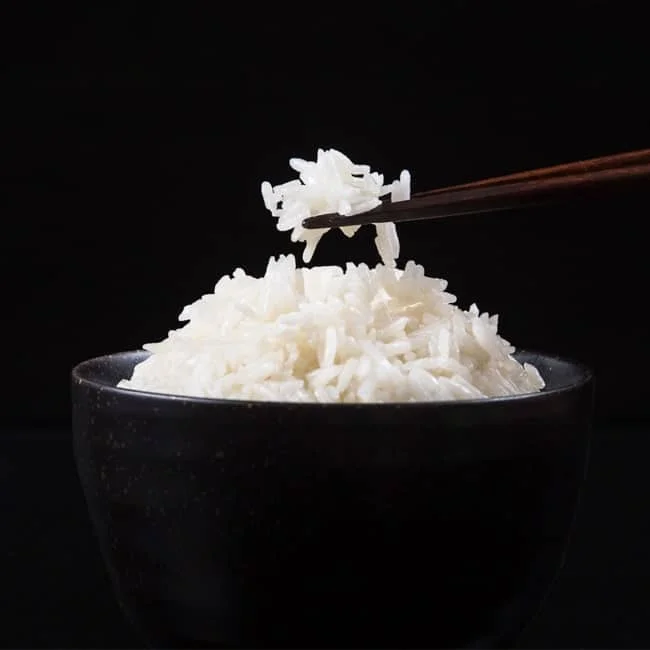
Jasmine rice cooks under pressure with coconut milk and chicken stock for a fragrant, creamy side with distinct grains. It is an easy accompaniment to spicy or boldly flavoured mains.
Ingredients
- 1 cup (230 g)Jasmine rice
- 1/2 cup (125 ml)100% pure unsweetened coconut milk or Thai unsweetened coconut milk
- 3/4 cup (188 ml)unsalted chicken stock
- 1/4–1/2 teaspoonfine sea salt or table salt
Instructions
- 1
Rinse the rice
Rinse the rice under cold tap water until the water runs clear, then drain it well.
- 2
Mix the liquid
In a 500 ml glass measuring jug, combine the salt, 125 ml coconut milk and 188 ml chicken stock. Stir well.
- 3
Pressure cook
Put the 230 g of Jasmine rice in the pressure cooker. Pour in all the coconut milk mixture and stir briefly so the rice is covered by the liquid. Close the lid and cook at High Pressure using the Manual/Pressure Cook button for 5 minutes, followed by a 10-minute Natural Release. The floating valve may drop after about 6–7 minutes, but wait until the full 10 minutes have passed before opening the lid. Open it carefully.
- 4
Fluff and serve
Fluff the coconut rice and serve it with your favourite main dish.
What is coconut rice?
Coconut rice is rice cooked with coconut milk, a preparation found in different forms across Asian cuisines and beyond. This pressure-cooker version pairs Jasmine rice with coconut milk and chicken stock for a fragrant, gently creamy side.
Jasmine rice: its natural aroma complements the coconut without needing extra spices. Rinsing it first helps remove surface starch and keeps the cooked grains more distinct.
Nutrition and macros by portion
The nutrition label shows one serving as written: 245 calories, 5g protein, 39g carbs, 8g fat.
| Portion | Adjustment | kcal | Protein | Carbs | Fat |
|---|---|---|---|---|---|
| Lighter | Smaller rice portion | 172 kcal | 4g | 27g | 6g |
| This serving | As written | 245 kcal | 5g | 39g | 8g |
| Hungry | Larger rice portion | 368 kcal | 8g | 59g | 12g |
The rice supplies most of the carbohydrates, while coconut milk contributes much of the fat and a modest amount of protein comes from the rice and chicken stock. Pair a serving with a protein-rich main and vegetables to make a more complete plate.
Choose the right liquid
Coconut milk: use unsweetened coconut milk so the rice stays savoury rather than sweet. Thai unsweetened coconut milk is also suitable.
Chicken stock: unsalted stock lets you control the seasoning, while adding savoury depth. Mix it thoroughly with the coconut milk and salt before pouring it over the rice.
Why rinse the rice?
Rinsing: wash the rice under cold tap water until it runs clear, then drain it well. Too much rinse water left behind can change the balance of liquid in the cooker.
Stirring: give the rice and liquid one brief stir before cooking so the grains are covered. Avoid prolonged stirring, which can release more starch.
Pressure and release timing
Cook time: set the cooker to High Pressure for 5 minutes. The total time also includes the 10-minute Natural Release, during which the rice continues to cook as pressure falls.
Lid: the floating valve may drop after 6–7 minutes, but follow the recipe's full 10-minute release before opening. Open the lid carefully.
Check the texture
Finished rice: fluff it gently before serving to separate the grains. The aim is tender rice with a light, creamy coating rather than a dense or wet mass.
If it looks compact straight after opening, fluffing can help loosen it. Handle the grains gently so they do not break up.
What to serve with it
Pairings: serve this rice alongside a spicy or boldly flavoured main, as suggested in the recipe description. Its mild coconut flavour works well as a counterpoint to stronger seasoning.
For a balanced plate, add a main dish and vegetables; the rice is intended as a side rather than the whole meal.
Recipe notes & tips
- Rinse until the water runs clear to remove excess surface starch.
- Drain the rinsed rice thoroughly before measuring the cooking liquid.
- Use unsweetened coconut milk to keep the rice savoury.
- Stir the liquid mixture well so the salt is evenly distributed.
- Wait for the complete 10-minute Natural Release before opening the lid.
- Fluff gently just before serving to separate the grains.
Variations
- Use vegetable stock: swap it for the chicken stock for a meat-free version.
- Adjust the salt: start with 1/4 teaspoon and add more next time if needed.
- Add fresh herbs: scatter chopped coriander over the rice when serving.
- Serve with lime: offer lime wedges alongside for a fresh, tangy contrast.
- Choose Thai coconut milk: use unsweetened Thai coconut milk for the specified alternative.
Common mistakes to avoid
- Skipping the rinse: excess surface starch can make the grains stickier; rinse until the water runs clear.
- Leaving rinse water on the rice: drain it well so it does not add unintended liquid.
- Using sweetened coconut milk: it can make a savoury side taste too sweet; choose unsweetened.
- Opening the lid early: the rice needs the full 10-minute Natural Release; wait even if the valve drops sooner.
- Stirring vigorously: this can break the grains and release starch; stir only briefly before cooking and fluff gently after.
How to store
Cool leftovers promptly, transfer them to an airtight container and refrigerate for up to 3 days. Reheat until steaming hot, adding a small splash of water if the rice seems dry.
Frequently asked questions
Can I use a different type of rice?
This recipe is written for Jasmine rice, so another variety may need different liquid or cooking settings. For the stated method, use Jasmine rice.
Can I use light coconut milk?
The recipe calls for 100% pure unsweetened coconut milk or Thai unsweetened coconut milk. Light coconut milk may give a less creamy result.
Why should I use unsalted stock?
Unsalted stock makes it easier to control the seasoning, especially since the recipe also includes salt. If your stock is salted, consider using the lower amount of salt.
Do I need to wait if the floating valve drops early?
Yes. Keep the lid closed for the full 10-minute Natural Release, even if the valve drops after about 6–7 minutes.
Can I make this without chicken stock?
The recipe specifies unsalted chicken stock. Unsalted vegetable stock is a possible swap, though it will change the flavour.
How do I stop the cooked rice from clumping?
Rinse it until the water runs clear, drain it well, and fluff it gently after cooking. Avoid vigorous stirring.
Cook it from the original
This recipe comes from pressurecookrecipes.com. Their page has the author’s own photos, notes and tips — the best place to cook it from.
Open the recipe on pressurecookrecipes.com