
Instant Pot Chicken Alfredo
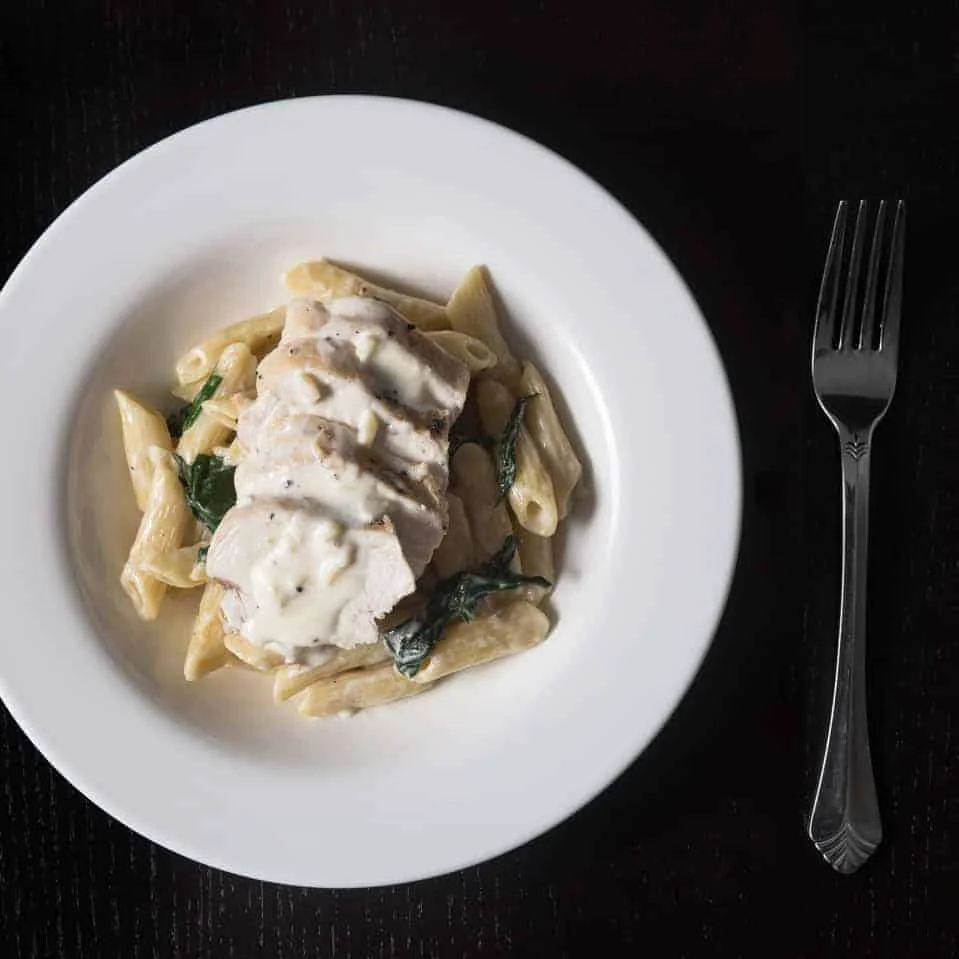
This one-pot Instant Pot chicken Alfredo pairs penne and browned chicken with a creamy Parmesan sauce. It’s a practical weeknight meal, with the pasta and sauce cooked together while the chicken stays tender.
Ingredients
- 454 g (1 lb)penne pasta
- 250–400 g (1–2)boneless, skinless chicken breasts
- 40–80 g (1–2 cups)baby spinach, washed
- 750 ml (3 cups)unsalted chicken stock
- 15 ml (1 tablespoon)olive oil
- to tastekosher salt and ground black pepper
- 20 g (7–8 cloves)garlic, minced
- 250 ml (1 cup)double cream
- 30 g (2 tablespoons)unsalted butter
- 32 g (1 oz)Parmigiano-Reggiano, finely grated and at room temperature
- to tastekosher salt and ground black pepper
- to tastegrated Parmigiano-Reggiano
Instructions
- 1
Heat the cooker
Press Sauté on the Instant Pot, then press Adjust to select Sauté More. Wait until the indicator reads HOT.
- 2
Brown the chicken
Season one side of the chicken breasts with kosher salt and ground black pepper. Add 15 ml (1 tablespoon) olive oil to the inner pot and place the chicken in, seasoned side down. Season the other side, then brown each side for about 1½ minutes. Set the chicken aside. Add the minced garlic and sauté for about 1 minute, until fragrant, then transfer it to a stainless-steel bowl.
- 3
Deglaze the pot
Pour 125 ml (½ cup) chicken stock into the Instant Pot. Scrape the browned bits from the bottom of the pot and stir them into the stock.
- 4
Pressure-cook pasta
Add the penne and chicken breasts to the Instant Pot, then pour in the remaining chicken stock. Aim to submerge all the pasta. Layer the stainless-steel bowl with the Alfredo sauce ingredients, except the cheese and seasoning, on top of the pasta. Close the lid and cook at High Pressure for 4 minutes, followed by a 4-minute Quick Release. Release any remaining pressure, then carefully open the lid.
- 5
Finish the sauce
Remove the stainless-steel bowl and chicken breasts from the Instant Pot. Add the finely grated Parmigiano-Reggiano to the Alfredo sauce in three additions, mixing with a fork each time until melted. Taste and season with kosher salt, about 3 pinches, and ground black pepper.
- 6
Add spinach
Press Cancel, then Sauté. Stir the baby spinach and three-quarters of the Alfredo sauce into the cooked pasta. Taste and adjust the salt and black pepper.
- 7
Plate and serve
Slice the chicken breasts and arrange the slices over portions of pasta. Drizzle with the remaining Alfredo sauce and, if desired, garnish with more grated Parmigiano-Reggiano. Serve immediately.
What is chicken Alfredo?
Chicken Alfredo is a pasta dish with chicken and a rich, creamy cheese sauce. Alfredo is associated with Italian cooking, though this pressure-cooker version takes a one-pot approach to a familiar pasta combination.
Here, penne cooks in chicken stock while the chicken browns separately in the same pot. Cream, butter and grated Parmigiano-Reggiano form the sauce, and spinach adds a fresh finish.
Nutrition and macros by portion
The nutrition label shows one serving as written: 710 calories, 35g protein, 90g carbs, 23g fat.
| Portion | Adjustment | kcal | Protein | Carbs | Fat |
|---|---|---|---|---|---|
| Lighter | More spinach, less cream | 497 kcal | 25g | 63g | 16g |
| This serving | As written | 710 kcal | 35g | 90g | 23g |
| Hungry | Larger pasta portion | 1065 kcal | 53g | 135g | 35g |
The penne provides most of the carbohydrates, while cream, butter, olive oil and cheese contribute much of the fat. Chicken and Parmigiano-Reggiano supply most of the protein. Serve it with a green salad or extra vegetables to add freshness and balance the plate.
Why cook the sauce separately?
Sauce bowl: the cream and butter sit in a stainless-steel bowl above the pasta during pressure cooking, rather than going directly into the pot. The method then uses the bowl’s contents as the sauce base.
Cheese: adding the finely grated cheese after pressure cooking helps it melt into the warm sauce. Mixing it in gradually makes it easier to incorporate evenly.
Brown the chicken and garlic
Chicken: season both sides and brown each for about 1½ minutes. This is a brief browning step, so take the chicken out before cooking the pasta under pressure.
Garlic: sauté it for about 1 minute, just until fragrant, and transfer it to the bowl. Keep an eye on it so it does not burn while you prepare the pot for pressure cooking.
Pressure-cooking cues
Pasta: spread the penne in the stock and try to submerge it before closing the lid. Scraping the bottom thoroughly after deglazing helps clear the browned bits from the cooking surface.
Release: cook at High Pressure for 4 minutes, then allow a 4-minute Quick Release before releasing any remaining pressure. Open the lid carefully once the pressure has fallen.
Make the sauce smooth
Cheese: use finely grated Parmigiano-Reggiano at room temperature, as specified, and stir it into the sauce in three additions. Taste the sauce before adding salt because the cheese and stock may already bring saltiness.
Consistency: fold three-quarters of the sauce through the pasta and keep the rest for drizzling over the chicken. The reserved portion gives each serving a creamy finish.
Serving ideas
Serve the chicken slices over the pasta while it is hot, with the remaining sauce and extra grated cheese if you like. A crisp green salad or simply dressed vegetables make a fresh contrast to the creamy pasta.
Portions: divide the chicken and pasta evenly, and make sure each plate gets some spinach and sauce. Serve straight away, while the sauce is still fluid.
Recipe notes & tips
- Wait for the Instant Pot indicator to read HOT before browning the chicken.
- Scrape the pot well while deglazing so the browned bits mix into the stock.
- Try to submerge all the penne in the stock before pressure cooking.
- Grate the Parmigiano-Reggiano finely so it melts more readily into the sauce.
- Add the cheese in three batches and mix between each addition.
- Serve as soon as the chicken is sliced and the sauce is drizzled over the pasta.
Variations
- Extra spinach: use the larger stated amount for a greener finish.
- More garlic: choose the upper end of the stated garlic range for a stronger garlic flavour.
- Black pepper: add a little more freshly ground pepper when seasoning the sauce.
- Cheesier finish: offer extra grated Parmigiano-Reggiano at the table.
- Chicken portions: use either one larger breast or two smaller ones within the stated weight range.
Common mistakes to avoid
- Skipping the HOT indicator: wait until the cooker is properly heated before adding the chicken.
- Burning the garlic: sauté it only until fragrant, about 1 minute, then remove it from the pot.
- Leaving browned bits behind: scrape the base thoroughly as you deglaze with the stock.
- Pasta above the stock: arrange the penne so as much of it as possible is submerged before cooking.
- Adding all the cheese at once: stir it in a third at a time to help it melt into the sauce.
- Over-seasoning early: taste the sauce before adding salt, then adjust as needed.
How to store
Refrigerate leftovers in an airtight container for up to 3 days. Reheat gently in a saucepan or microwave, stirring as needed; add a small splash of stock or cream if the sauce has thickened.
Frequently asked questions
Can I use a different pasta shape?
Penne is the pasta specified for this method. Other shapes may cook differently, so follow the timing recommended for your chosen shape rather than assuming the same result.
Do I need to brown the chicken first?
Yes, browning is part of the method and adds flavour before the pressure-cooking step. Brown each side for about 1½ minutes, then set the chicken aside.
Why is the cheese added after pressure cooking?
The method melts the finely grated cheese into the sauce once the bowl has been removed from the pot. Stirring it in gradually helps it incorporate.
How much salt should I add?
The method suggests about 3 pinches of kosher salt for the sauce, then tasting and adjusting. Check the flavour before adding more, since the stock and cheese can be salty.
Can I make the dish ahead?
It is best served immediately, when the pasta and sauce are hot. Leftovers can be refrigerated and reheated gently, though the sauce may thicken.
Cook it from the original
This recipe comes from pressurecookrecipes.com. Their page has the author’s own photos, notes and tips — the best place to cook it from.
Open the recipe on pressurecookrecipes.com