
Ancho Chile Salsa (or Pickle)
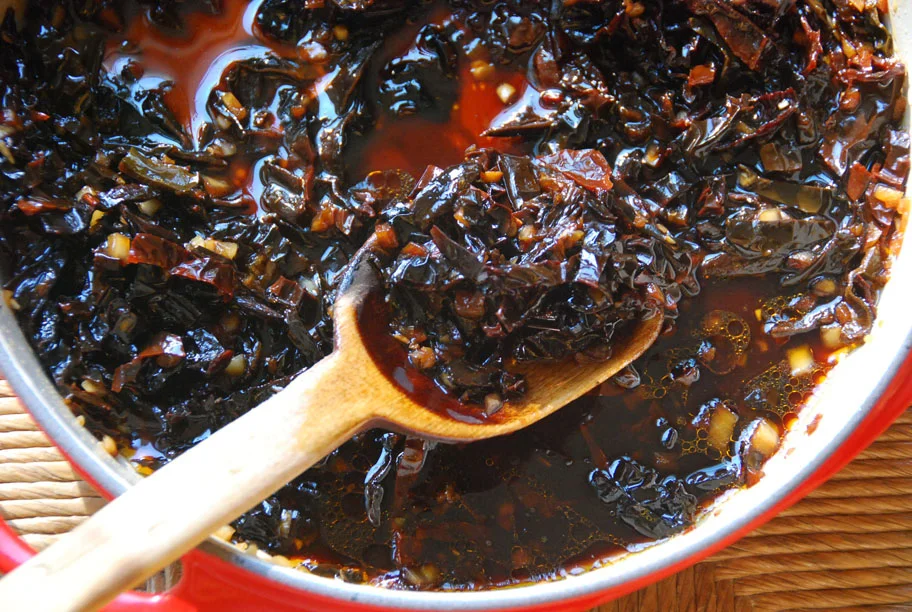
This Mexican ancho chile salsa is a sweet, mildly spicy, vinegar-marinated relish with tender strips of dried chile. Make it ahead and serve it with tacos, grilled food, sandwiches or cheese-topped crostini.
Ingredients
- 6–8 (about 85 g)ancho chiles, rinsed, stemmed and seeded
- 75 gwhite onion, finely chopped
- 1 clovegarlic, finely chopped
- 60 mlunseasoned rice vinegar
- 60 mldistilled white vinegar
- 120 mlvegetable oil
- 1½ teaspoons (about 7.5 g), or to tastekosher salt or coarse sea salt
- 2 teaspoons (about 8 g), or to tastebrown sugar or grated piloncillo
Instructions
- 1
Slice the chiles
With kitchen scissors or a sharp knife, cut the stemmed and seeded chiles lengthwise into thin strips. Put them in a mixing bowl.
- 2
Mix the marinade
Add the onion, garlic, both vinegars, oil, salt and sugar to the bowl. Toss until everything is well mixed.
- 3
Chill before serving
Transfer the mixture to a container with a tight-fitting lid and refrigerate for at least 8 hours before using.
What is ancho chile salsa?
Ancho chile salsa is a Mexican condiment made here as a marinated relish rather than a freshly blended sauce. Anchos are dried poblano peppers, prized for their mellow, fruity flavour and gentle warmth.
This version works because thin chile strips soak up a sweet-and-tangy dressing of two vinegars, oil, onion and garlic. The long rest softens the chiles and lets the flavours mingle.
Nutrition and macros by portion
The nutrition label shows one serving as written: 600 calories, 4g protein, 20g carbs, 56g fat.
| Portion | Adjustment | kcal | Protein | Carbs | Fat |
|---|---|---|---|---|---|
| Lighter | Use less oil | 420 kcal | 3g | 14g | 39g |
| This serving | As written | 600 kcal | 4g | 20g | 56g |
| Hungry | Serve with extra tacos | 900 kcal | 6g | 30g | 84g |
The oil is the main source of fat and most of the calories, while the chiles and sugar contribute carbohydrates; the vegetables provide a little fibre and protein. Serve a modest spoonful alongside grilled chicken or fish and vegetables to make a more balanced plate.
Choose and prepare the chiles
Ancho chiles: Look for pliable pods without damp or damaged patches. Rinse them, remove the stems and seeds, then cut them into thin strips so they are easy to scoop and eat.
Heat level: The recipe is intended to be mildly spicy, but chiles can vary. Taste a strip before serving, and adjust the seasoning to suit.
Why use two vinegars?
Rice vinegar: Its gentle acidity contributes tang without dominating the dried chile flavour.
White vinegar: This adds a sharper edge, giving the relish a lively contrast to the oil and sugar. Keep both amounts as written for the intended balance.
Give it time to marinate
Resting: Refrigerate the mixture for at least 8 hours before serving. This gives the dried strips time to soften and absorb the dressing.
Texture: The result should be tender and glossy, with a little bite rather than a smooth, pourable salsa. If the chiles still seem firm, leave them to marinate longer.
Season to balance
Salt and sugar: The salt sharpens the chile and vinegar, while a little brown sugar or piloncillo rounds off their acidity. Taste the dressing and adjust these ingredients to your preference.
Mixing: Toss thoroughly so the strips are coated, then use a clean utensil when serving to keep the mixture evenly dressed.
Ways to serve it
Tacos and snacks: Spoon it over tacos or quesadillas, or serve it with chips as you would a chunky salsa.
Mains and sandwiches: Pair it with grilled meat, chicken or seafood, or tuck it into a panini, torta or hamburger. It also makes a bright topping for crostini with goat cheese, fresh cheese or cherry tomatoes.
Recipe notes & tips
- Use a sharp knife or kitchen scissors to cut the chiles into neat, even strips.
- Rinse the chiles before removing the stems and seeds, as directed.
- Taste the mixture before serving and adjust the salt or sugar to your liking.
- Use a container with a tight-fitting lid for the overnight chill.
- Spoon the relish with a clean utensil so the remaining mixture stays well kept.
Variations
- Add oregano: Stir in a pinch for an herbal note.
- Use piloncillo: Grate it finely so it dissolves more easily in the dressing.
- Serve with cheese: Spoon it over goat cheese or fresh cheese on crostini.
- Pair with seafood: Add a spoonful alongside grilled fish or prawns.
- Make it milder: Use fewer chiles and keep the remaining ingredients as written.
Common mistakes to avoid
- Cutting thick strips: They take longer to soften; slice the chiles thinly.
- Skipping the rest: The chiles need at least 8 hours in the fridge to marinate.
- Using a loose lid: The mixture may absorb fridge odours; choose a tight-fitting container.
- Leaving out the sugar: The vinegar can taste sharper without it; add the stated amount or adjust to taste.
- Serving it straight away: The chiles may still be firm; chill the mixture before using.
How to store
Keep the relish covered in a tight-fitting container in the refrigerator and use a clean utensil each time. The recipe does not specify a storage life, so follow the ingredient dates and discard it if its appearance or smell changes. Serve chilled or let a portion come briefly towards room temperature; reheating is not needed.
Frequently asked questions
How long does the salsa need to marinate?
Refrigerate it for at least 8 hours before serving. This gives the dried chile strips time to soften and take on the dressing.
Is ancho chile salsa very spicy?
It is described as mildly spicy, though the heat can vary between chiles. Adjust the amount of chile to your preference.
Can I use another kind of vinegar?
The recipe uses both unseasoned rice vinegar and distilled white vinegar for its particular balance. Swapping either may change the flavour.
What can I serve it with?
Try it with tacos, quesadillas, chips, grilled meat, chicken or seafood. It also works as a relish in sandwiches or on cheese-topped crostini.
Can I make it ahead?
Yes. It needs at least 8 hours of chilling, so making it the day before serving suits the recipe well.
Cook it from the original
This recipe comes from patijinich.com. Their page has the author’s own photos, notes and tips — the best place to cook it from.
Open the recipe on patijinich.com