
High Protein Singapore Noodles
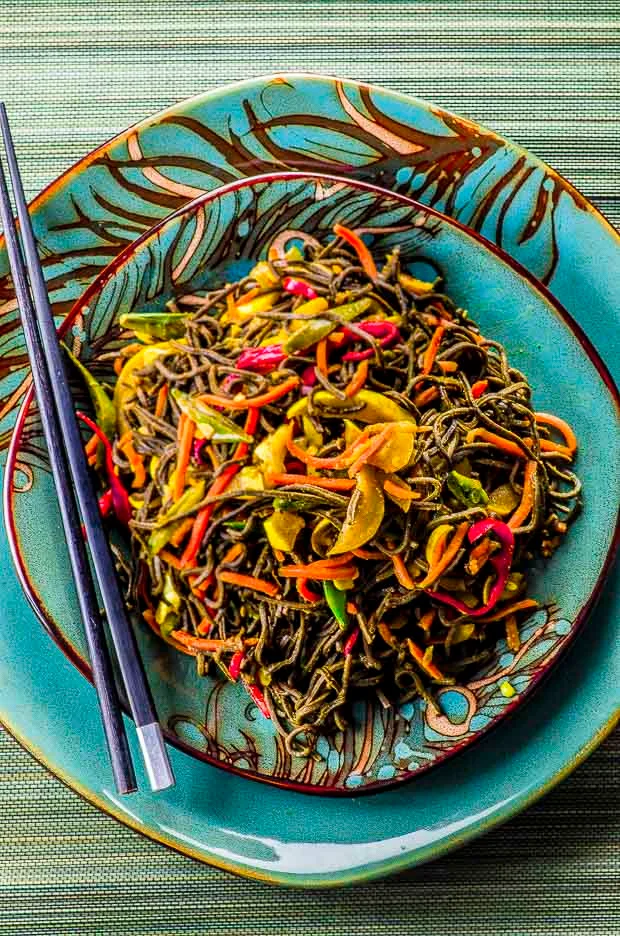
A quick, curry-seasoned noodle stir-fry made with black bean spaghetti, crisp vegetables and a savoury soy-and-mirin sauce. It is a colourful, protein-rich dinner that comes together in about 30 minutes.
Ingredients
- 227 g (8 oz)black bean spaghetti
- 30 ml (2 tbsp)toasted sesame oil
- About 100 g (1 cup)sugar snap peas, cut into thin strips
- 1/2 largeyellow courgette, cut into thin strips
- About 220 g (2 cups)shredded carrots
- 6spring onions, white and green parts, sliced
- 2Fresno chillies, cut into thin strips (see note)
- 3 tsp, dividedcurry powder
- 60 ml (1/4 cup)soy sauce or gluten-free tamari
- 45 ml (3 tbsp)mirin
- To taste, optionallime, for garnish
- To taste, optionalcoriander, for garnish
- To taste, optionalcrushed peanuts, for garnish
Instructions
- 1
Cook the pasta
Cook the black bean spaghetti according to the packet instructions. Drain it well and set aside.
- 2
Stir-fry the vegetables
Heat the sesame oil in a large frying pan or wok. Add the sugar snap peas, courgette, carrots, spring onions, chillies and 2 teaspoons of curry powder. Cook over a medium-high heat for 5 minutes, tossing frequently.
- 3
Toss and finish
Add the cooked pasta, soy sauce or tamari, mirin and the remaining 1 teaspoon of curry powder. Toss well and cook for a further 3 minutes. Garnish with lime, coriander or crushed peanuts, if you like, and serve.
What are Singapore noodles?
Singapore noodles are commonly understood as a curry-seasoned noodle stir-fry, with vegetables and a savoury sauce. This version uses black bean spaghetti instead of the more usual thin wheat or rice noodles.
The quick cooking keeps the vegetables lively, while curry powder, soy sauce and mirin coat the noodles with a punchy sweet-savoury flavour.
Nutrition and macros by portion
The nutrition label shows one serving as written: 377 calories, 29g protein, 44g carbs, 9g fat.
| Portion | Adjustment | kcal | Protein | Carbs | Fat |
|---|---|---|---|---|---|
| Lighter | Use less sesame oil | 264 kcal | 20g | 30g | 7g |
| This serving | As written | 377 kcal | 29g | 44g | 9g |
| Hungry | Add extra black bean pasta | 566 kcal | 43g | 65g | 14g |
The black bean pasta contributes most of the carbohydrates and a substantial share of the protein, while sesame oil supplies most of the fat. Vegetables add volume and fibre, and the soy sauce contributes sodium. For a balanced plate, serve a portion alongside extra greens or a light vegetable salad.
Choosing the ingredients
Black bean spaghetti: use the packet directions as your guide, since cooking times can vary between brands. Drain it thoroughly so the sauce does not become watery.
Vegetables: cut the snap peas, courgette and chillies into thin strips so they cook quickly and are easy to toss through the pasta.
Curry powder: the recipe divides it between the vegetables and the noodles, bringing its aroma through the whole dish.
Getting the stir-fry right
Hot pan: let the sesame oil heat before adding the vegetables, then keep them moving with frequent tossing. A large pan or wok gives them room to cook rather than pile up.
Batch size: if your pan is small, cook the vegetables in batches and combine them before adding the pasta and sauce.
Checking texture and doneness
Vegetables: after 5 minutes, the strips should be hot and beginning to soften while still retaining some bite. Thin, evenly cut pieces help them cook at a similar pace.
Pasta: once added to the pan, toss for the full 3 minutes so it warms through and takes on the sauce without being left to sit on the base.
Balancing the sauce
Soy and mirin: soy sauce or tamari supplies savouriness, while mirin brings a little sweetness. Toss them through the noodles with the final teaspoon of curry powder.
Seasoning: taste a strand before serving; if it needs more brightness, use the optional lime garnish. Add peanuts or coriander at the end so they keep their texture and freshness.
What to serve alongside
The noodles can be served as a complete meal, with the pasta and vegetables already mixed together. For a larger spread, pair them with a simple cucumber salad or steamed greens.
Lime wedges work well at the table, letting each person add acidity to taste. Keep any extra toppings separate until serving.
Recipe notes & tips
- Prepare and slice all the vegetables before heating the pan, as the stir-fry moves quickly.
- Drain the pasta well to help the soy-and-mirin sauce cling rather than turn thin.
- Use a wide frying pan or wok so the vegetables can be tossed without spilling.
- Adjust the amount of Fresno chilli to suit your preferred heat level.
- Add the optional garnishes just before serving for the freshest flavour and texture.
Variations
- Extra vegetables: add thinly sliced red pepper and stir-fry it with the other vegetables.
- More heat: leave in some chilli seeds or add extra sliced Fresno chilli.
- Citrus finish: squeeze lime over the noodles just before serving.
- Nutty topping: scatter crushed peanuts over each portion for added crunch.
- Gluten-free option: choose tamari labelled gluten-free and check the pasta and mirin labels.
Common mistakes to avoid
- Crowding the pan: the vegetables may steam rather than cook evenly; use a larger pan or work in batches.
- Uneven vegetable strips: thick pieces can stay firm while thinner ones soften; cut them to a similar size.
- Wet pasta: excess water dilutes the sauce; drain the spaghetti thoroughly before adding it.
- Overcooking the vegetables: they can lose their bite; toss frequently and begin checking around the 5-minute mark.
- Adding all the curry powder at once: split it as directed so the final portion seasons the noodles and sauce.
How to store
Refrigerate leftovers in an airtight container and eat within 3 days. Reheat in a frying pan over a medium heat, tossing until piping hot; add a small splash of water if the noodles seem dry.
Frequently asked questions
Can I use another type of pasta?
Yes. Use another noodle or pasta, cooking it according to its packet instructions before adding it to the pan. The flavour and protein content will differ from black bean spaghetti.
Can I make this with tamari?
Yes, tamari is listed as an alternative to soy sauce. For a gluten-free meal, check that the tamari and all other packaged ingredients are labelled gluten-free.
How spicy is this dish?
The Fresno chillies provide the heat, and their strength can vary. Remove the seeds for a gentler result or adjust the amount to taste.
Can I prepare the vegetables ahead?
You can slice the vegetables ahead and keep them covered in the fridge. For the best texture, cook the stir-fry shortly before serving.
What can I use instead of mirin?
The supplied recipe calls for mirin, which adds sweetness as well as flavour. If you substitute it, expect the balance of the sauce to change; add any replacement gradually and taste as you go.
Cook it from the original
This recipe comes from mayihavethatrecipe.com. Their page has the author’s own photos, notes and tips — the best place to cook it from.
Open the recipe on mayihavethatrecipe.com