
Garlic Shrimp Pasta
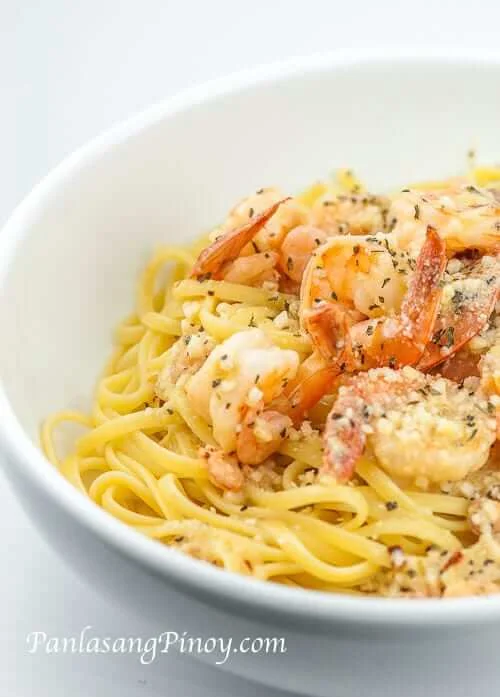
Garlic shrimp pasta pairs spaghetti with prawns cooked in butter, olive oil and garlic, finished with oregano, Parmesan and black pepper. It makes a straightforward main meal, with the garlic butter coating the noodles and the prawns cooking in just a few minutes.
Ingredients
- 454 g (1 lb)medium prawns, peeled and deveined, with shells and tails removed
- 15 ml (3 teaspoons)minced garlic
- 57 g (60 ml; 4 tablespoons)softened butter
- 37.5 ml (2½ tablespoons)extra-virgin olive oil
- 2.5 ml (½ teaspoon)dried oregano
- 340 g (¾ lb)spaghetti, cooked according to the packet instructions
- 75 ml (5 tablespoons)shredded Parmesan
- A dashground black pepper
Instructions
- 1
Cook the spaghetti
Cook the spaghetti according to the packet instructions, then set it aside.
- 2
Melt the butter
Melt the butter in a pan, then add the olive oil.
- 3
Cook the prawns
Add the prawns and cook for 1 minute.
- 4
Add the garlic
Add the garlic and cook for a further 1 to 2 minutes, until it turns light brown.
- 5
Toss the pasta
Add the cooked spaghetti gradually, tossing until it is combined with the other ingredients.
- 6
Season and finish
Add the oregano, Parmesan and ground black pepper. Toss again until evenly distributed.
- 7
Divide into bowls
Transfer the pasta to individual bowls.
- 8
Serve the pasta
Serve.
What is garlic shrimp pasta?
This is a simple pasta dish of spaghetti and prawns coated in a buttery garlic and olive oil mixture, with oregano, Parmesan and black pepper for seasoning. Prawn-and-pasta dishes are common in Italian-inspired cooking, though this particular version is best understood as a practical, quick-cooking combination rather than a single traditional regional recipe.
The method cooks the prawns briefly and adds the pasta directly to the pan, so the noodles pick up the garlicky fat and seasoning. Parmesan brings a savoury finish.
Nutrition and macros by portion
The nutrition label shows one serving as written: 630 calories, 41g protein, 66g carbs, 22g fat.
| Portion | Adjustment | kcal | Protein | Carbs | Fat |
|---|---|---|---|---|---|
| Lighter | Less butter and Parmesan | 441 kcal | 29g | 46g | 15g |
| This serving | As written | 630 kcal | 41g | 66g | 22g |
| Hungry | Larger pasta portion | 945 kcal | 62g | 99g | 33g |
Most of the carbohydrates come from the spaghetti, while the butter and olive oil contribute most of the fat. Prawns and Parmesan provide protein, with Parmesan also adding some fat and salt. For a more balanced plate, serve a portion with a generous side of vegetables or salad.
Choosing the prawns
Size: Medium prawns suit the short cooking time and are easy to mix through the spaghetti. If using frozen prawns, thaw and drain them first so they do not release excess water into the pan.
Preparation: The recipe calls for the shells and tails to be removed. Pat the prawns dry before cooking if they are damp, which helps them cook rather than steam.
Cooking the garlic gently
Garlic: Add it after the prawns have had their first minute in the pan, as directed. Keep it moving in the butter and oil, and take care not to let it darken past light brown, when it can taste bitter.
Heat: Use moderate heat so the garlic colours gradually and the butter does not scorch. The pan should be warm enough to cook the prawns, but not so hot that the garlic browns almost immediately.
Getting the prawns just cooked
Doneness: Prawns are ready when they turn opaque and curl into a loose C shape. The recipe gives a short cooking time, so check their appearance rather than leaving them in the pan while the garlic cooks.
Carry-over cooking: They continue to warm as you toss in the pasta. If they look cooked after the garlic stage, move on promptly to avoid a rubbery texture.
Tossing the spaghetti
Pasta: Cook the spaghetti according to its packet instructions, then drain it before adding it gradually to the pan. Adding it in stages makes it easier to toss without spilling or breaking the strands.
Coating: Turn the spaghetti through the butter, oil and prawns until the ingredients are evenly mixed. If the pasta has cooled and clumped, loosen it gently as you add it rather than pressing hard on the noodles.
Serving and timing
Finish: Add the oregano, Parmesan and black pepper once the spaghetti is in the pan, then toss again to spread the seasoning. The total time is 40 minutes, including cooking the pasta.
On the side: Serve with a green salad or steamed vegetables for a fresh contrast to the buttery pasta. A squeeze of lemon at the table is an optional way to add brightness without changing the cooking method.
Recipe notes & tips
- Have the garlic, prawns and seasonings ready before you start cooking, as the pan stages move quickly.
- Drain the spaghetti well so excess water does not dilute the butter and oil.
- Add the garlic only after the prawns have cooked for 1 minute, as specified.
- Toss the spaghetti in gradually to make it easier to coat evenly.
- Serve as soon as the final toss is done so the prawns do not continue cooking in the hot pan.
Variations
- Add lemon: Finish with a squeeze of lemon juice for a brighter flavour.
- Add chilli: Sprinkle in chilli flakes with the oregano for gentle heat.
- Use fresh herbs: Replace the dried oregano with chopped parsley for a fresher finish.
- Add vegetables: Toss in cooked peas or spinach with the spaghetti for extra colour.
- Change the pasta: Use linguine or another long pasta in place of spaghetti.
Common mistakes to avoid
- Overcooking the prawns: They turn firm and rubbery; cook them briefly and check that they are just opaque.
- Burning the garlic: It becomes bitter; keep the heat moderate and cook only until light brown.
- Adding wet prawns: Excess moisture can make the pan watery; thaw and drain them well first.
- Dumping in all the spaghetti at once: It can be awkward to coat evenly; add it gradually as directed.
- Leaving the finished pasta in the pan: Residual heat keeps cooking the prawns; divide and serve promptly.
How to store
Refrigerate leftovers in a sealed container for up to 2 days. Reheat gently in a pan until steaming hot, adding a small splash of water if the pasta seems dry; avoid prolonged heating, which can toughen the prawns.
Frequently asked questions
Can I use frozen prawns?
Yes. Thaw them fully and drain them well before adding them to the pan, so they do not release excess water.
How can I tell when the prawns are cooked?
They should be opaque and curled into a loose C shape. The method uses short cooking times, so check them as you go.
Can I prepare the pasta ahead?
You can cook it ahead and drain it, then set it aside as directed. If it has clumped by the time you use it, loosen the strands gently as you add them to the pan.
What can I serve with garlic shrimp pasta?
A green salad or steamed vegetables makes a simple side. You can also serve lemon wedges at the table if you like a sharper contrast.
Can I reheat leftovers?
Yes. Reheat them gently in a pan until steaming hot, with a splash of water if needed, and avoid cooking them for longer than necessary.
Cook it from the original
This recipe comes from panlasangpinoy.com. Their page has the author’s own photos, notes and tips — the best place to cook it from.
Open the recipe on panlasangpinoy.com