
Seafood empanadas
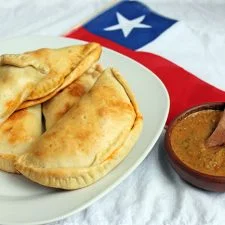
These seafood empanadas pair a soft, compact homemade dough with a gently spiced filling of mixed seafood and onion. Bake them for a golden finish, or fry them for a crisp, juicy pastry.
Ingredients
- 375 g (3 cups)plain flour
- 70 gmelted butter
- 240 ml (1 cup), warmmilk
- 1 teaspoonbaking powder
- 1 teaspoonsalt
- 2–3 tablespoonssunflower or rapeseed oil
- 2onions, diced
- 500 gmixed seafood
- 1 teaspoonají color or paprika
- 1 teaspoonají paste
- ½ teaspoondried oregano
- to tastesalt
Instructions
- 1
Cook the filling
Make the filling first, as it needs to be cold before you use it to fill the empanadas.
- 2
Soften the onion
Heat the oil in a frying pan over a medium heat. Fry the diced onion for about 6 minutes, stirring from time to time.
- 3
Season the onion
Stir in the ají color or paprika, ají paste, oregano and salt.
- 4
Add the seafood
Add the mixed seafood, stir well and cook for a further 3 minutes.
- 5
Avoid overcooking
Do not cook the seafood for too long at this stage, as it will finish cooking in the oven.
- 6
Cool the filling
Take the pan off the heat and leave the filling to cool completely before using it.
- 7
Mix the dough
The finished dough should be compact and easy to handle.
- 8
Knead the dough
Put the flour and salt in a bowl and make a well in the middle. Add the melted butter and mix briefly with a spoon so it does not burn you, then pour in the warm milk and mix again. Knead by hand on the work surface; the dough should not stick to your hands, so no extra flour is needed.
- 9
Shape the rounds
Divide the dough into 8 equal portions and shape them into balls. Roll each ball into a circle; you can make smaller rounds if you plan to fry the empanadas and want more portions.
- 10
Fill and seal
Place some filling on each round and close the edges of each empanada, sealing them well.
- 11
Heat the oven
For baked empanadas, preheat the oven to 200°C (400°F).
- 12
Brush the pastry
Brush each empanada with a mixture of egg yolk and a little water or milk.
- 13
Bake the empanadas
Bake for 20 minutes.
- 14
Prepare for frying
For fried empanadas, heat plenty of oil in a deep pan or saucepan until very hot. The original method suggests testing the oil with a match, but this is a fire hazard; use a thermometer or a small piece of dough instead.
- 15
Skip the glaze
Do not brush fried empanadas with the egg-yolk mixture.
- 16
Check the seal
Seal the empanadas firmly so the filling juices cannot escape into the hot oil and cause splattering.
- 17
Fry until golden
Fry for 2–3 minutes on each side.
- 18
Serve with pebre
Serve the empanadas with pebre.
What are seafood empanadas?
Empanadas are filled pastries found across Spain and Latin America, with local doughs and fillings varying widely. This version uses the Chilean-style term pino for its savoury onion-based filling, here made with mixed seafood and warm spices.
The method works by cooking the filling briefly, cooling it before assembly, then letting the oven or frying finish the seafood inside its pastry shell.
Nutrition and macros by portion
The nutrition label shows one serving as written: 350 calories, 18g protein, 43g carbs, 12g fat.
| Portion | Adjustment | kcal | Protein | Carbs | Fat |
|---|---|---|---|---|---|
| Lighter | More salad, one empanada | 245 kcal | 13g | 30g | 8g |
| This serving | As written | 350 kcal | 18g | 43g | 12g |
| Hungry | Two empanadas per person | 525 kcal | 27g | 65g | 18g |
The flour supplies most of the carbohydrates, while butter and the oil used for the filling contribute much of the fat. Seafood provides most of the protein, with the exact amount depending on the mix used. Balance an empanada with a generous salad or vegetables, and bear in mind that added salt affects the sodium.
The onion-based filling
Onion first: cooking it for about 6 minutes softens it and builds a sweet savoury base before the spices go in.
Seafood last: the mixed seafood gets only about 3 minutes in the pan because it cooks further during baking or frying. Keeping this stage short helps it stay tender.
A dough that is easy to handle
Warm milk and melted butter come together with flour and salt to make a compact dough. The recipe says it should be manageable without extra flour, so knead it until it comes together and feels workable rather than adding more flour automatically.
Even portions: dividing the dough into 8 equal pieces helps the empanadas bake or fry at a similar rate. Roll each ball into a circle with an even thickness so it can enclose the filling without tearing.
Seal before cooking
Keep the filling cool before assembling; warm filling can make the dough harder to handle. Leave a clear border around each round so the edges can be brought together.
Firm edges: press the pastry closed all the way around. This matters especially for frying, as escaping filling juices can make hot oil splatter.
Choose baking or frying
For baking: heat the oven to 200°C and brush the pastry with egg yolk mixed with a little water or milk. Bake for 20 minutes, until the pastry is cooked and coloured.
For frying: omit the glaze and cook in plenty of very hot oil for 2–3 minutes per side. Do not use a lit match to test oil; a thermometer or a small piece of dough is a safer check.
Serving ideas
Serve the empanadas with pebre, as the recipe suggests. A fresh salad or sliced vegetables can also add a crisp contrast to the rich pastry and savoury filling.
If serving them as part of a larger meal, offer one empanada alongside vegetables; for a more substantial meal, serve two with a simple salad.
Recipe notes & tips
- Cool the filling completely before putting it on the dough.
- Roll the dough rounds evenly so they cook at a similar pace.
- Leave a border clear of filling to make sealing easier.
- Seal the edges firmly to keep the filling juices inside.
- For frying, use a thermometer or a small piece of dough to check the oil rather than a match.
- Serve with pebre for the accompaniment suggested in the recipe.
Variations
- Paprika swap: use paprika in place of ají color, as the recipe allows.
- Baked version: brush with egg yolk mixed with a little water or milk, then bake at 200°C for 20 minutes.
- Fried version: skip the egg-yolk glaze and fry for 2–3 minutes per side.
- Smaller pastries: divide the dough into more portions for smaller empanadas, checking them as they cook.
- Different seafood mix: use another mixed seafood selection while keeping the total amount at 500 g.
Common mistakes to avoid
- Warm filling: it can make the dough difficult to handle; cool it completely before assembling.
- Overcooked seafood: it continues cooking in the pastry; limit its initial pan time to about 3 minutes.
- Too much filling: it makes the edges difficult to seal; leave a clear border around each round.
- Loose seal: filling juices may escape; press the edges firmly together all the way around.
- Testing oil with a match: this risks a fire; use a thermometer or a small piece of dough instead.
- Glazing fried empanadas: the recipe calls for no egg wash when frying; reserve it for the baked version.
How to store
Cool leftovers promptly and refrigerate in a covered container for up to 2 days. Reheat in an oven until hot throughout; this helps the pastry crisp up again. Avoid reheating in hot oil.
Frequently asked questions
Can I bake these instead of frying them?
Yes. Preheat the oven to 200°C, brush the empanadas with egg yolk mixed with a little water or milk, and bake for 20 minutes.
Do I brush fried empanadas with egg wash?
No. The recipe specifies that the egg-yolk mixture is for the baked version only.
Can I make the filling ahead?
Yes. The filling needs to be completely cold before you assemble the empanadas, so you can cook it in advance and chill it.
How can I tell when the dough is ready?
It should feel compact and easy to handle, and should not stick to your hands. The method says extra flour should not be necessary.
How do I check whether frying oil is hot enough?
Use an oil thermometer if you have one, or test with a small piece of dough. Do not use a lit match, which can ignite the oil or vapour.
Cook it from the original
This recipe comes from midiariodecocina.com. Their page has the author’s own photos, notes and tips — the best place to cook it from.
Open the recipe on midiariodecocina.com