
Peanut Sauce Recipe
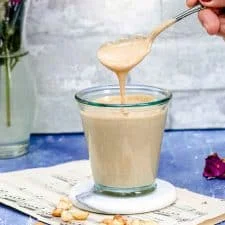
This quick peanut sauce combines creamy peanut butter with citrus, fresh ginger and savoury tamari for a tangy, versatile dressing. Blend it in minutes for noodles, salads, vegetables or dipping.
Ingredients
- 80 ml (⅓ cup)orange juice
- 160 g (⅔ cup)all-natural peanut butter
- 60 ml (¼ cup)lemon juice
- 3 tbspgrated fresh ginger
- 2 tbsptamari or soy sauce
- 2 tbsprice vinegar
- 2 tbspmaple syrup (optional)
Instructions
- 1
Blend ingredients
Put all the ingredients in a large blender and blend until smooth.
- 2
Check the mixture
Scrape down the sides of the blender and stir, ensuring everything is thoroughly combined.
- 3
Chill and store
Transfer the sauce to an airtight container and refrigerate until needed. It tastes best fresh; use it within 3–5 days.
What is Thai peanut sauce?
Peanut sauce is a creamy, savoury-sweet condiment found in several Southeast Asian food traditions, including Thai cooking. This version pairs peanut butter with citrus, ginger, tamari or soy, and rice vinegar for a bright, punchy result.
It needs no cooking: blending brings the ingredients together quickly, making the sauce handy for noodles, salads, vegetables and dipping.
Nutrition and macros by portion
The nutrition label shows one serving as written: 102 calories, 4g protein, 7g carbs, 7g fat.
| Portion | Adjustment | kcal | Protein | Carbs | Fat |
|---|---|---|---|---|---|
| Lighter | Use less peanut butter | 71 kcal | 3g | 5g | 5g |
| This serving | As written | 102 kcal | 4g | 7g | 7g |
| Hungry | Serve with noodles | 153 kcal | 5g | 10g | 11g |
The peanut butter provides most of the fat and some protein, while the orange juice, lemon juice and optional maple syrup contribute carbohydrates. Serve the sauce with vegetables and a protein source such as tofu or edamame for a more balanced plate.
Choosing the ingredients
Peanut butter: Choose a smooth, all-natural variety so it blends easily. If the jar has separated, stir it well before measuring.
Citrus and vinegar: Orange juice brings sweetness, while lemon juice and rice vinegar contribute tartness. Their balance gives the rich peanut butter a fresher edge.
Ginger and seasoning: Freshly grated ginger adds aromatic warmth; tamari or soy sauce supplies saltiness. Maple syrup is optional, so adjust the sweetness to your preference.
Getting a smooth sauce
Blending: Blend until there are no visible streaks of juice or clumps of peanut butter. Scrape the sides of the jug, then stir to bring any ingredients the blades missed back into the sauce.
Consistency: The recipe makes a thick, creamy sauce. For a thinner dressing, mix in a little water gradually, although this is an adjustment rather than part of the listed method.
Balancing the flavours
Taste: The finished sauce should bring together nutty, tangy, savoury and gently sweet notes. The optional maple syrup can soften the sharpness of the citrus and vinegar.
Adjustments: Peanut butter brands vary in thickness and saltiness, and citrus can vary in tartness. Taste the blended sauce before serving and make any small adjustments to suit the dish.
Timing and serving
Quick preparation: The sauce takes about 10 minutes and is ready as soon as it is blended. No heating or separate cooking step is required.
Serving ideas: Toss it with noodles, drizzle it over vegetables or salad, or offer it as a dip. Use a spoon or whisk to loosen it if it has thickened in the fridge.
Making it ahead
Freshness: The recipe notes that the sauce tastes best fresh, but it can be refrigerated for convenience. Store it promptly in a clean, airtight container and use it within 3–5 days.
Before serving: Chilled peanut butter sauce may become firmer. Stir it well, and add a small splash of water if needed to restore a pourable texture.
Recipe notes & tips
- Use smooth peanut butter for the easiest blending.
- Grate the ginger finely so it disperses evenly through the sauce.
- Scrape down the blender jug before the final stir.
- Taste the sauce before adding the optional maple syrup.
- Stir the sauce before serving if it has been refrigerated.
Variations
- Add chilli: Blend in chilli sauce or fresh chilli for heat.
- Use lime: Replace the lemon juice with lime juice for a different citrus note.
- Make it milder: Reduce the ginger for a softer aromatic flavour.
- Thin for dressing: Whisk in water a little at a time until pourable.
- Add sesame: Stir in a small amount of toasted sesame oil for a deeper savoury note.
Common mistakes to avoid
- Using separated peanut butter: Stir it thoroughly in the jar before measuring.
- Skipping the scrape: Ingredients can cling to the blender sides, so scrape them down and stir.
- Adding water too quickly: If thinning the sauce, add small splashes and mix between each one.
- Overlooking saltiness: Tamari and soy sauce can vary, so taste before serving.
- Leaving it unrefrigerated: Transfer leftovers to an airtight container and keep them chilled.
How to store
Keep the sauce in an airtight container in the refrigerator and use it within 3–5 days; it is best when fresh. Stir well before serving, and loosen with a little water if it has thickened.
Frequently asked questions
Can I make this sauce without a blender?
Yes. Whisk the ingredients in a bowl, adding the liquids gradually to help incorporate the peanut butter. Stir until smooth.
Is the maple syrup essential?
No, it is optional. Leave it out for a less sweet sauce, or include it to round out the sharp citrus and vinegar.
How can I make the sauce thinner?
Mix in a little water at a time until it reaches the consistency you want. Stir well before adding more.
How long does peanut sauce keep?
Refrigerate it in an airtight container and use it within 3–5 days. The recipe notes that its flavour is best when fresh.
What can I serve with peanut sauce?
Use it with noodles, vegetables or salads, or serve it as a dip. It also works as a dressing when thinned to your preferred consistency.
Cook it from the original
This recipe comes from mayihavethatrecipe.com. Their page has the author’s own photos, notes and tips — the best place to cook it from.
Open the recipe on mayihavethatrecipe.com